

Table of Contents
The grounds for arrest must be stated in writing, with the PMLA and UAPA also covered.
In a significant ruling on Monday, the Supreme Court stated that the grounds for arrest must be stated in writing when arresting a person. The Court clarified that this power under Article 22(1) of the Constitution is not limited to ordinary criminal cases but also applies to arrests under special laws like PMLA and UAPA.
A bench of Justices Ujjal Bhuyan and Atul S. Chandurkar said that the reasons for arrest should be given in writing in a language that the arrested person can understand. According to the court, the gravity of the crime cannot eliminate this constitutional protection.
The Supreme Court also clarified that providing grounds for arrest is not a mere legal formality. This gives the accused an opportunity to understand his legal position, consult a lawyer and present his case in remand or bail proceedings.
This constitutional right is granted under Article 22(1).
Article 22(1) of the Constitution grants an arrested person the right to be informed of the grounds for his or her arrest. In its latest decision, the Supreme Court has described this protection as a constitutional right applicable in all cases.
The court said that fundamental rights cannot be interpreted in such a way that their protection is limited due to any particular law or serious allegation. It is necessary to follow the provisions related to personal freedom of a person in every case.
The court also said that the written information should be in a language which the arrested person can understand. Its purpose is to ensure that the person is aware of the actual basis for his arrest.
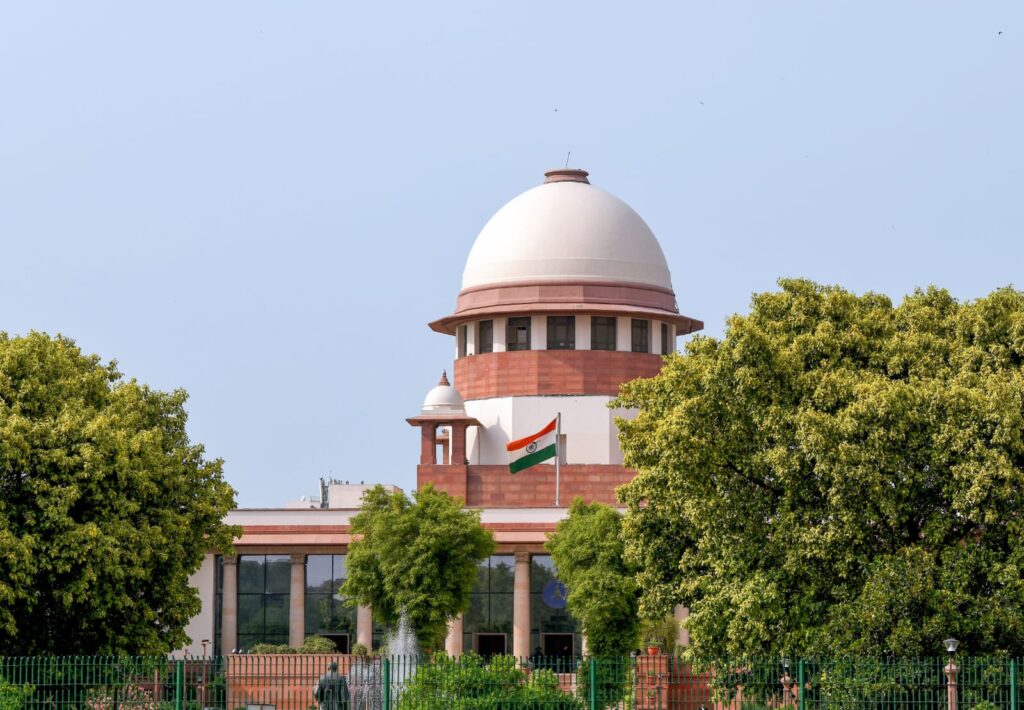
Rule applicable to PMLA and UAPA cases as well
The Supreme Court clarified that the requirement to provide written grounds for arrest extends to arrests made under special laws like the PMLA and UAPA. This means that agencies investigating under special laws will also have to follow this constitutional protection at the time of arrest. The Court emphasized that there can be no distinction in the power under Article 22(1) based on the nature of the law or the gravity of the allegations.
The impact of this decision will also be significant in cases where investigating agencies make arrests under special legal provisions. Providing written grounds will be a necessary part of such proceedings.
Failure to provide written grounds may render an arrest illegal.
The Supreme Court held that the legality of an arrest may be affected if written grounds are not provided at the time of arrest, as required by the Constitution. The court has said that this security should be strictly implemented.
According to the Court, the violation of this right cannot be ignored merely as a technical or procedural deficiency. It is necessary to follow the safeguards laid down by the Constitution in the process of arrest.
However, the legality of arrest and further action in a particular case will be decided based on the relevant judicial process and facts of the case.

Rules for re-arrest after illegal arrest
The Supreme Court has also provided guidelines for situations where a person’s arrest is considered illegal due to non-compliance with Article 22(1). In such a situation, re-arrest in the same case cannot be left to the discretion of the investigating agency.
The court said that before making another arrest, permission will have to be taken from the concerned judicial magistrate. For this, the grounds of arrest will first have to be provided in writing.
The application for PMLA and UAPA must also state why written grounds were not given at the time of the first arrest. Approval from the senior officer of the concerned officer will also be part of the process.
Departmental action against the negligent police officer
The bench also issued clear instructions regarding the accountability of officers who violate arrest rules. The court said that if any officer has made an arrest without giving written grounds, then departmental disciplinary action should be initiated against him.
The Supreme Court also said that if a second arrest is required later, the investigation process should not be left entirely to the discretion of the same officer who did not follow constitutional safeguards in the first arrest.
It aims to ensure accountability in the arrest process and take violations of constitutional rights seriously under the PMLA and UAPA.
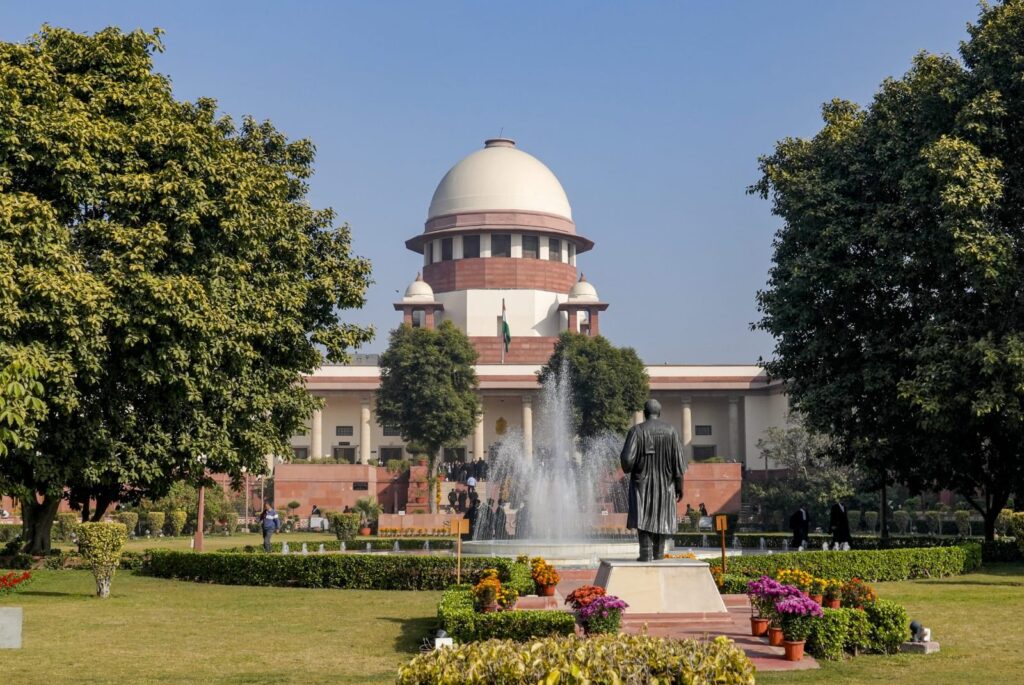
Constitutional protections for personal liberty remain in place even on serious charges.
This Supreme Court decision emphasizes the constitutional rights related to personal liberty and the process of arrest. The court clarified that even in special laws like PMLA and UAPA, it is mandatory to give the reasons for arrest in writing and in understandable language.
The judgment also clarified that knowledge of the grounds of arrest helps a person to formulate his legal strategy and present his case effectively in the judicial process under PMLA and UAPA
Now, investigating agencies will have to follow these constitutional and legal safeguards even in arrests under special laws. The court’s directions have brought new clarity to questions related to transparency and accountability in the arrest process.