
Table of Contents
Tahir Hussain sentenced to life imprisonment in the murder case of IB officer Ankit Sharma
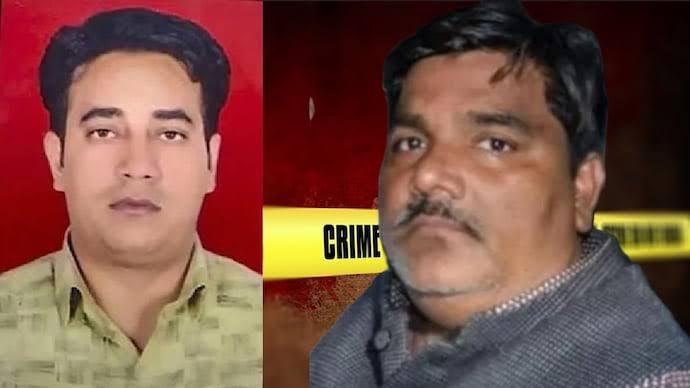
Delhi’s Karkardooma court has sentenced former Aam Aadmi Party (AAP) councilor Tahir Hussain to life imprisonment in the murder case of IB officer Ankit Sharma. While pronouncing the sentence, the court said that the manner in which the crime was committed was extremely brutal and it cannot be categorised as a normal crime.
The court said in its verdict that the facts of the case and the available evidence reflect the gravity of the crime. According to the court, such crimes have a serious impact on the rule of law and public order in the society, hence it is necessary to give appropriate punishment to the guilty.
Tahir Hussain had already been convicted in this case. After hearing the arguments of both the parties on the punishment, the court pronounced the sentence of life imprisonment. With the verdict, the matter has once again become a topic of political and legal discussion.
This Tahir Hussain case is related to the death of IB officer Ankit Sharma during the violence in Delhi. After investigation and hearing, the court gave its verdict based on the available evidence. Now further legal proceedings regarding this decision will also be monitored.
What did the court say in its decision?
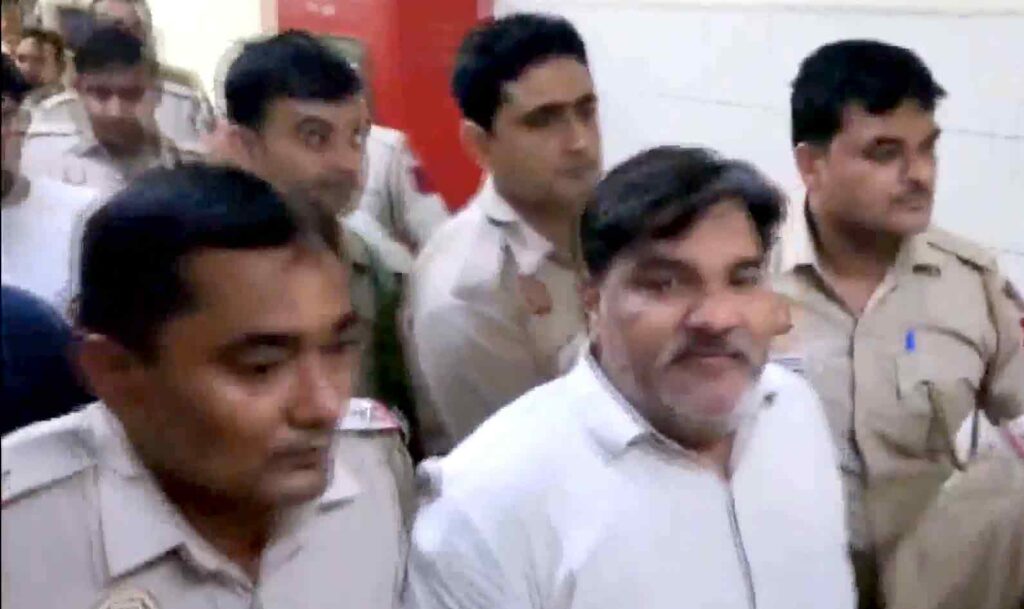
While pronouncing the sentence, the Karkardooma court said that the manner in which the crime was committed shows extreme cruelty. The Court held that the circumstances of the Tahir Hussain case and the available evidence demanded a harsher punishment.
The court also said that the purpose of the judicial system is not only to punish the guilty but also to maintain faith in the law in the society. On this basis the culprit was sentenced to life imprisonment.
After the verdict, the Tahir Hussain case has once again given rise to political and legal debate. However, the convict will have the option of appealing to a higher court as per the further legal process.
On what grounds did the court award life imprisonment?
While pronouncing the sentence, Delhi’s Karkardooma Court said that the method of crime in Tahir Hussain case was extremely serious and brutal. The court said in its order that on the basis of available evidence, statements of witnesses and facts presented during the trial, it is clear that this was not a normal criminal incident. The court held that a harsh sentence was justified considering the nature of the crime and its social impact.
During the sentencing hearing, the prosecution stressed the gravity of the crime and demanded a harsh sentence, while the defense appealed to the court for leniency. After hearing the arguments of both the parties, the court, considering all the facts, sentenced Tahir Hussain to life imprisonment.
The court also said in its decision that in such cases justice is not limited only to the victim party, but it is equally important to maintain faith in the law in the society. On this basis the court considered harsh punishment appropriate.

Why did the Ankit Sharma murder case become a famous case?
This case related to the death of IB officer Ankit Sharma was a topic of discussion at the national level right from the beginning. After the incident, investigating agencies conducted a detailed investigation and interrogated many people related to the case. After this the charge sheet was filed and after a long judicial process the court gave its verdict.
During the hearing, statements of several witnesses were recorded in the court and various documentary and other evidence was presented. On the basis of these evidences, the court had earlier convicted Tahir Hussain. After this, a separate hearing was held to decide the punishment, in which the prosecution and the defence presented their respective arguments.
This matter was not limited to just a criminal case, but political reactions regarding it also continued to emerge. However, the court delivered its verdict based only on the evidence presented during the judicial process and the legal provisions.
What will be the further legal process after the decision?
The legal process of the case does not end here after the life imprisonment sentence is pronounced. Under Indian law, the convict has the right to challenge the verdict in a higher court. If the convict appeals, the higher court will review the facts of the case, the evidence, and the lower court’s decision.
Legal experts say that appeals in such cases are a normal part of the judicial process. Therefore, further action will depend on the hearing in the courts.
At present, the decision of Karkardooma Court is being considered an important judicial milestone in this much-talked-about case. If an appeal is filed in this matter in the future, the further legal direction will be decided during its hearing in the High Court. At present, after the court’s decision, this matter has once again become a topic of discussion at the national level.