Table of Contents
Will the government secure a two-thirds majority for the Delimitation Bill?
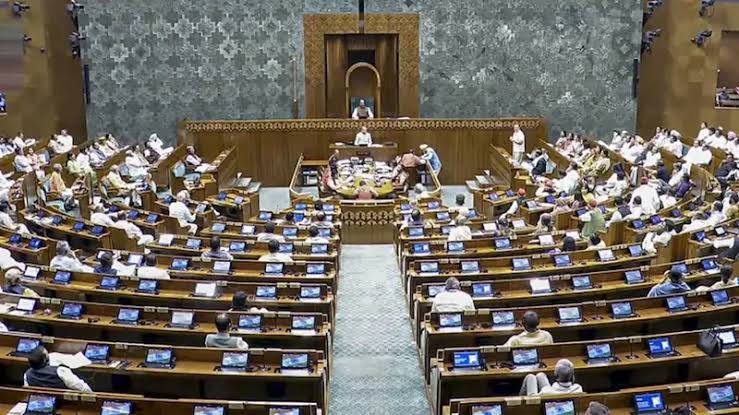
The government has been successful in pushing forward many important bills in the monsoon session of Parliament. Now the most discussed topics in the political circles are the Delimitation Bill and the Women’s Reservation Bill. To get both these proposals passed by Parliament, the government will need a special majority, i.e. the support of two-thirds of the members present and voting in both the Houses.
This is why everyone’s eyes are now fixed on the numbers of the government and the strategy of the opposition. Proposals related to constitutional amendments are considered more challenging to pass than ordinary bills. In such a situation, the support of only its own MPs will not be enough for the government, but the stance of allies and other political parties will also be important.
The government has already passed some key bills in the current session of Parliament. Following this, political activity surrounding the Delimitation Bill has intensified. The ruling party is calling it an important step towards making democratic representation more balanced, while the opposition may question its political and regional implications.
Why is two-thirds majority the biggest challenge?
If the Delimitation Bill falls under the ambit of constitutional amendment, a special majority will be required to pass it. This means the government must secure the support of at least two-thirds of the members present and voting in Parliament. This is the reason why numerical strength has become the biggest political issue regarding this bill.
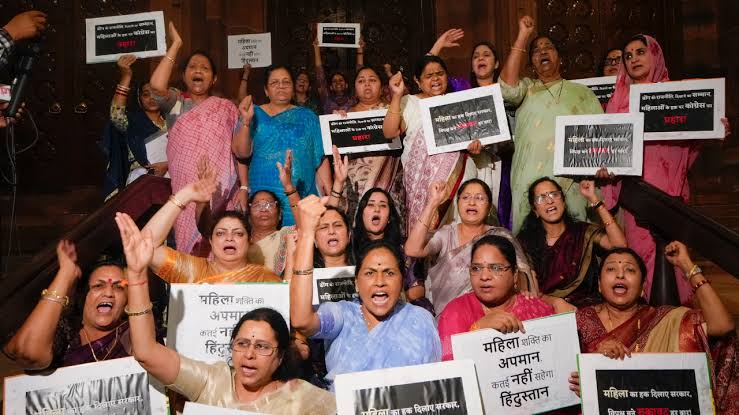
The challenge before the government will not only be to keep its coalition united but also to garner the support of parties that may take a different stand on any issue. On the other hand, the opposition can also use this opportunity to strengthen its political strategy. Various political parties have previously held different opinions regarding the Women’s Reservation Bill and the Delimitation Bill. In such a situation, the debate in Parliament will not be limited only to the legislative process, but its political impact can also be wide.
Now everyone’s eyes are on how successful the government is in garnering the required support and what strategy the opposition adopts on this issue. The debate and vote in Parliament will determine whether the bill will move forward or wait for broader political consensus.
Why is there a lot of political activity regarding the Delimitation Bill?
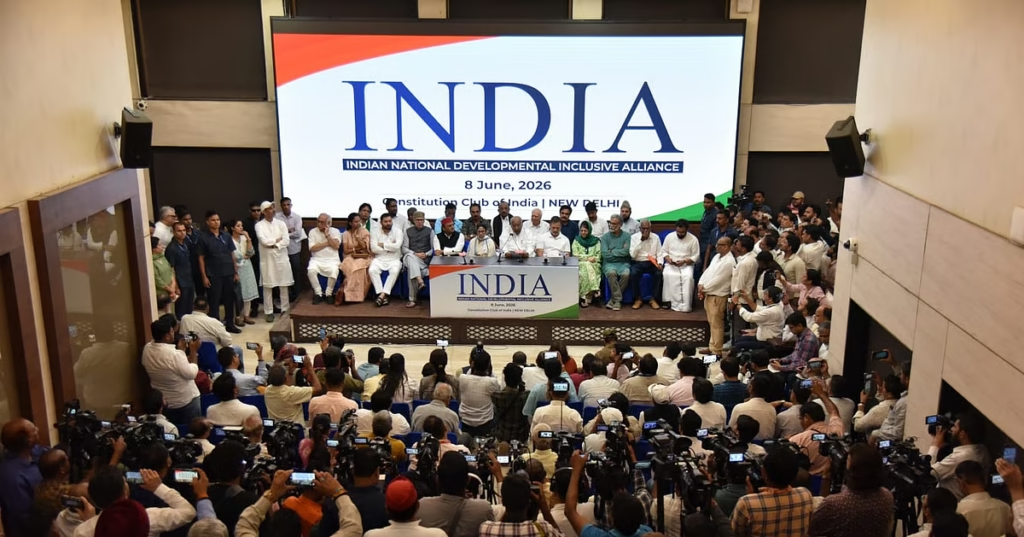
The Delimitation Bill is considered to be among the major upcoming legislative agenda of Parliament. As the possibility of discussion on this is increasing, the pace of strategic meetings and discussions among political parties has also increased. Many regional parties have already expressed their concerns over the delimitation process, while some parties consider it a necessary step towards balancing representation on the basis of population.
Political analysts say that this issue is not limited to the parliamentary process only, but it is also directly related to the representation of the states and the future political picture. This is the reason why all the parties seem to be very cautious on this issue.
If the government moves forward with this bill, there is a possibility of a detailed debate in Parliament. In such a situation, every party can present its point of view, keeping in mind its political and regional interests.
Apart from numerical strength, what other challenges does the government face?
Gathering a two-thirds majority is certainly the biggest challenge for the government, but it is not the only challenge. Building broad political consensus on a sensitive issue like delimitation is also considered equally important. Many states and regional parties have different concerns, which may be raised prominently during the debate.
The government will have to maintain constant dialogue with its allies and also seek the support of those parties which can play a decisive role on a particular issue. If the opposition unites and raises questions on this bill, then there may be a long discussion in the House and demand for amendment may also arise.
On the other hand, if the government moves forward taking into account the suggestions of various parties, the path to consensus may become easier. Therefore, both political negotiations and parliamentary strategy will play an important role in the coming days. Political analysts believe that this is not just a matter of numbers but also of broad political consensus. If the government is successful in gaining the support of some opposition parties, the path of the bill may become easier. In case of not getting adequate support, a long debate and political deadlock may be seen on this.
What could be the future strategy in Parliament?
In the coming days of the monsoon session, the strategy of both the government and the opposition regarding this bill may become clear. The government will try to garner sufficient support to push the bill forward, while the opposition may try to discuss its various aspects in detail and register its objections.
The impact of issues like delimitation and women’s reservation will not be limited to Parliament only, but they can also affect the future political and electoral system. This is why these bills are being counted among the most important proposals of the current session.
Now everyone’s eyes are on the proceedings of Parliament, meetings of political parties and equations of numerical strength. It will become clear in the coming days whether the government will be able to overcome the challenge of two-thirds support or it will take more time to build broad political consensus on this issue.