Table of Contents
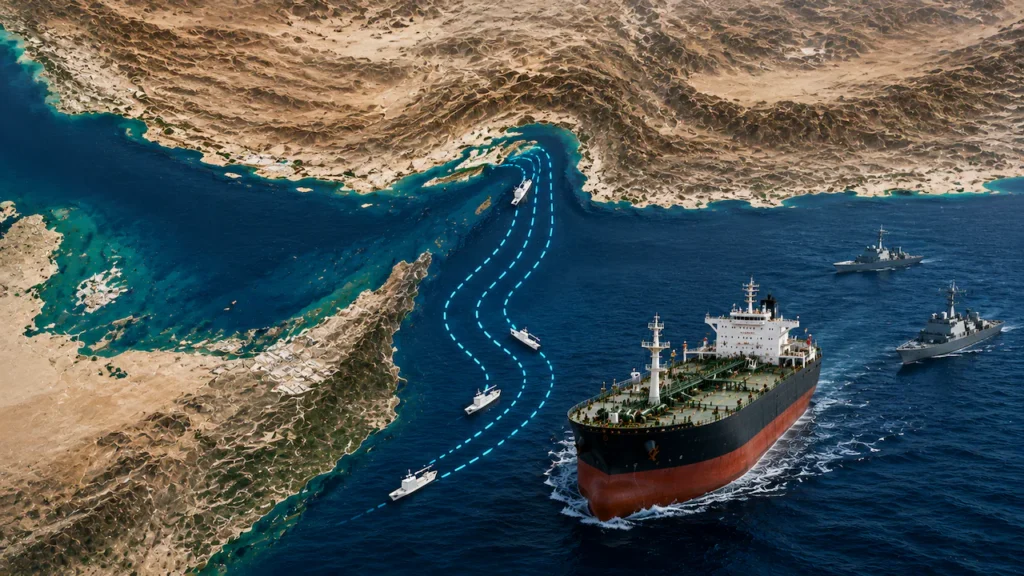
Maritime supplies remained uninterrupted amid the crisis, with India safely navigating 60 merchant ships.
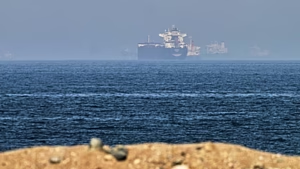
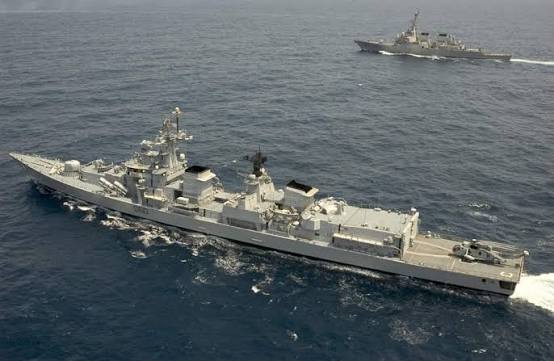
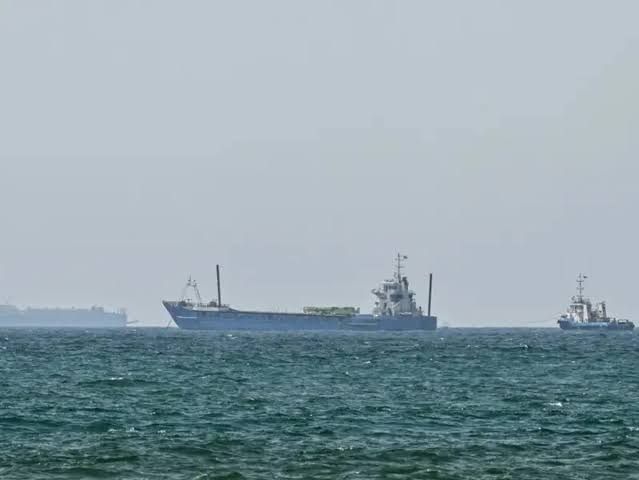
Amidst heightened security tensions in West Asia, India safely ferried 60 merchant ships through the Strait of Hormuz, maintaining its maritime supply chain. The government informed Parliament that despite challenging circumstances, continuous monitoring and coordination was carried out to maintain uninterrupted movement of Indian merchant ships.
According to the government, the operation was not limited to safe movement of ships but also included security of sea lanes, monitoring of the status of ships and maintaining constant liaison between concerned agencies. The Strait of Hormuz is one of the world’s most important energy and trade sea routes, so any tension there could impact global trade.
The government said that despite the situation arising in West Asia, India took all necessary steps to safeguard its trade interests and maritime transport. This helped prevent energy supplies and business activities from being affected.
Nearly 4,000 Indian seafarers have returned home, with a 24-hour crisis management system in place.
The government also informed Parliament that 3,972 Indian seafarers were safely repatriated from the Gulf region. A 24-hour crisis management system was put in place to assist Indian nationals and maritime personnel during the crisis, responding to thousands of phone calls and e-mail requests for assistance.
According to the government, constant coordination was maintained between the Ministry of External Affairs, shipping departments and other concerned agencies to provide immediate assistance as and when required. The safety of Indian citizens was given top priority during the crisis.
Experts believe that India’s maritime and humanitarian response reflects its strategic preparedness and crisis management capabilities amid rising tensions in West Asia. In the times to come, India will continue to monitor the situation as per the regional conditions.
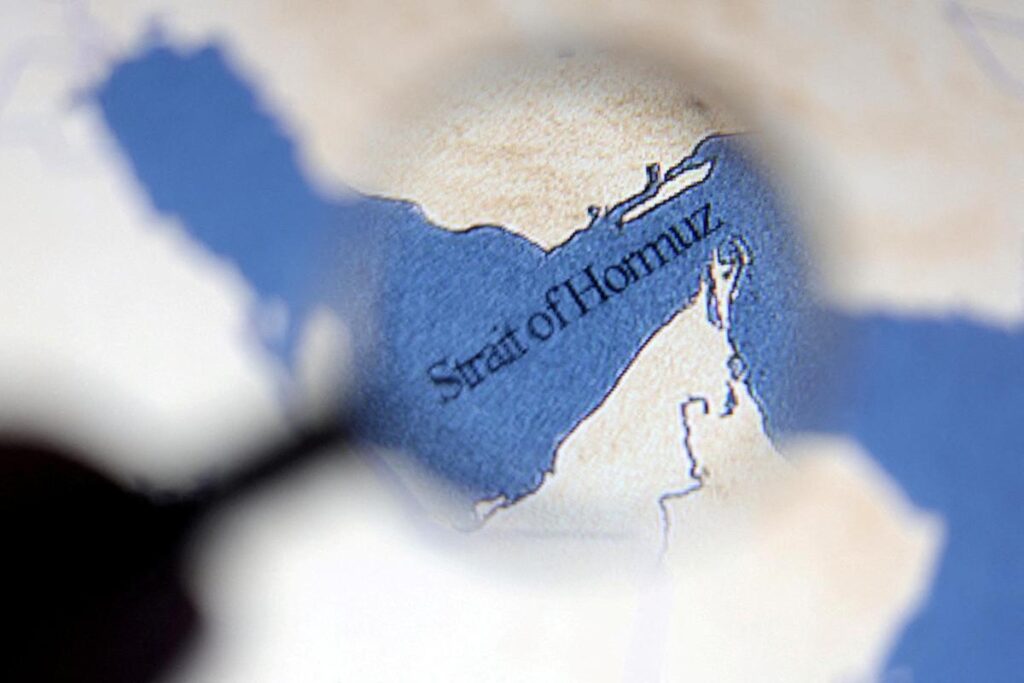
Why is the Strait of Hormuz so important to India?
The Strait of Hormuz is one of the world’s busiest and most strategic sea routes. Large quantities of crude oil, LNG and other energy resources originating from the Persian Gulf reach international markets through this route. India imports a large part of its energy requirements from West Asian countries, hence the security of this sea route is also considered very important for the Indian economy.
Whenever security tensions escalate in West Asia, maritime transport and energy supplies are likely to be the first to be affected. At such a time, it becomes a priority for India to ensure safe movement of its merchant ships. This is why the government continuously monitored maritime activities and maintained coordination with the concerned agencies.
Experts believe that stability in the Strait of Hormuz is important not only for India but for the entire global economy. Any disruption to this route could have a wide-ranging impact on international trade, oil prices and supply chains.
How did India handle the entire situation during the crisis?
The government informed Parliament that during the rising tension in West Asia, extensive arrangements were made not only for the security of ships but also for the assistance of Indian sailors and marine personnel. To this end, a 24-hour crisis management system was created, which continuously responded to assistance requests.
Constant coordination was maintained between the Ministry of External Affairs, Ministry of Shipping and other concerned agencies to take prompt action in case of any emergency. Along with monitoring the movement of ships, regular contact was also maintained with Indian nationals and maritime personnel.
According to the government, this coordinated effort resulted in complete disruption of trade activities and the safe return of a large number of Indian sailors. This operation is being considered an important example of India’s maritime security and crisis management capabilities.
Why is this operation important for maritime security and energy supply?
India is among the world’s largest energy importers and a large part of its oil and gas supply comes from West Asia. In such a situation, security of sea routes is not only a matter of trade, but also an issue related to national energy security. Ensuring the safe movement of 60 merchant ships during the crisis reflects this strategic importance.
Experts say that in the future too, India will have to continuously focus on maritime security, alternative trade routes and international cooperation. Changes in global geopolitical conditions can have a direct impact on maritime trade and energy supply.
At present, the government has clarified that the situation in West Asia is being continuously monitored. If required, all necessary steps will be taken to ensure the safety of Indian citizens, sailors and merchant ships, so that the economic and strategic interests of the country are protected.