Table of Contents
E-Rickshaws at Risk from Viral Phone App Hack
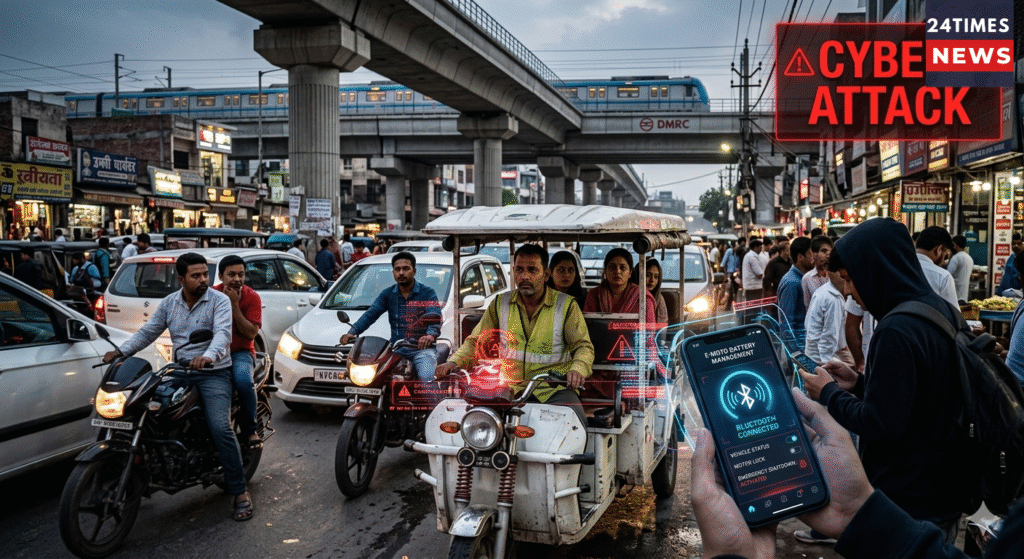
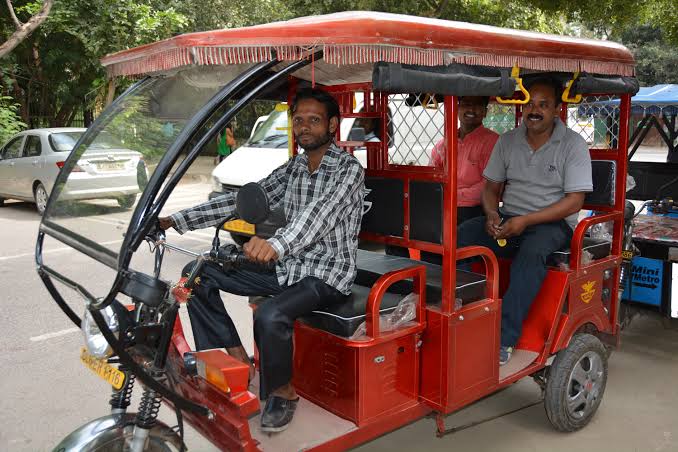
If you travel around India’s busy cities, you’ve probably seen e-rickshaws everywhere. They’re cheap, electric, and help thousands of drivers earn their living. But now, there’s a new problem causing chaos on the roads and making life even harder for those drivers. It’s not just mechanical trouble or traffic jams it’s a simple smartphone app called BAT-BMS, and it’s being abused in a way that’s actually dangerous.
How a Free App Became a Road Hazard
Nobody designed the BAT-BMS app for pranks or crime. It’s a regular tool, available for free on Google Play and the App Store. The original idea was to let auto mechanics check battery health on e-rickshaws and e-bikes by connecting to the battery through Bluetooth. But lately, the app has spread through social media in a totally new way.
You can find tons of short videos online Instagram, YouTube, X with people showing off a trick. They open the BAT-BMS app near an e-rickshaw that’s driving through crowded streets or waiting at a market. In just a few taps, the prankster can send a “kill” command that shuts off the rickshaw’s battery, stopping the motor suddenly. They usually film everything for likes, making the driver look confused or angry as the vehicle breaks down in traffic.
What sounds like a silly prank can get ugly fast, especially with vehicles packed full of passengers, crossing busy intersections, or dodging other traffic.
Why E-Rickshaws Are So Easy to Attack
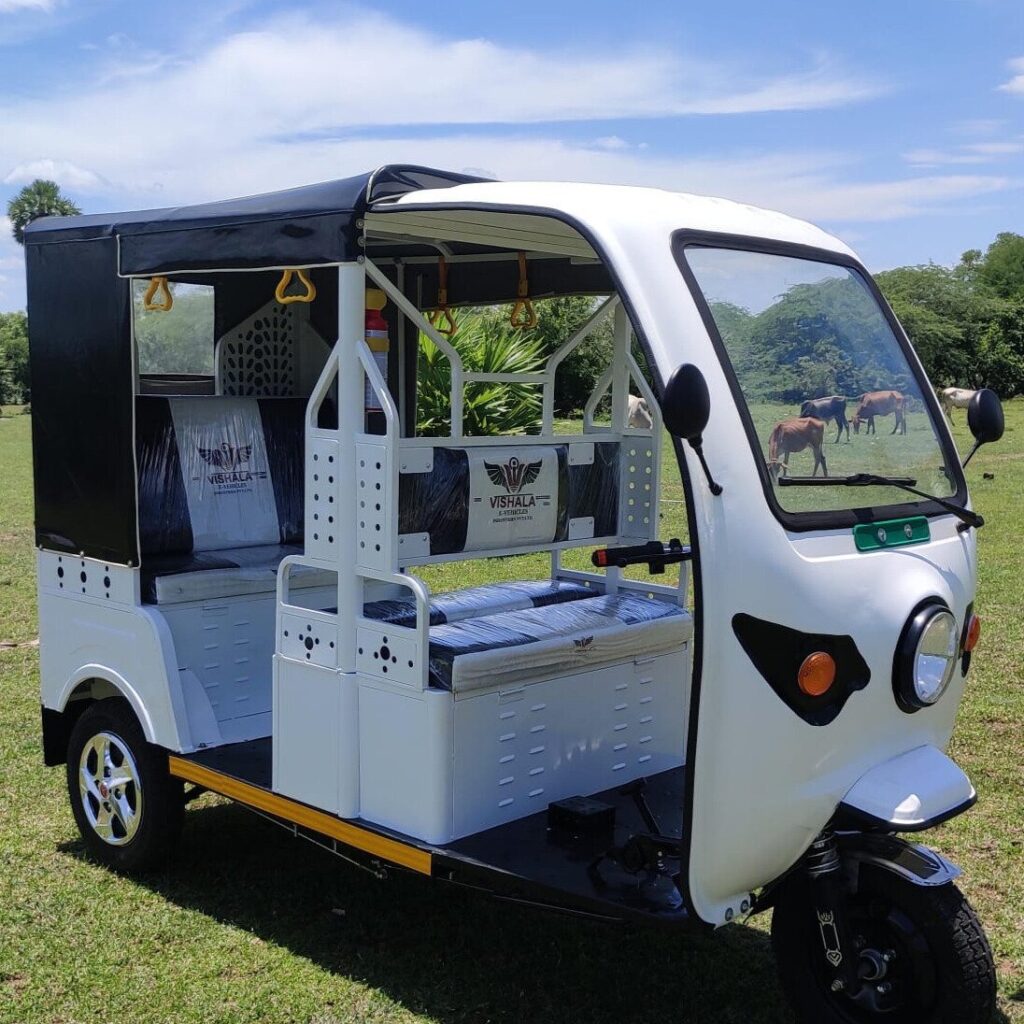
This isn’t happening by magic or advanced hacking. E-rickshaw makers often try to save money, so they buy cheap, unbranded batteries that don’t come with any security features. Here’s what goes wrong:
- The battery pack uses a Bluetooth chip that’s basically always on and open for anyone nearby.
- Most packs don’t have a unique, private password either the password is super simple (111111, 123456, or not set at all), or there’s no password protection from the start.
- The BAT-BMS app was designed to help, not harm. But because the battery is wide open, anyone can use the app to connect.
- Once connected, the app allows you to turn off the battery’s “discharge switch.” This instantly cuts power to the e-rickshaw, making it stop dead without warning.
Huge Risks on Busy Indian Roads
The sudden failures triggered by this app aren’t just funny for social media. They can be really dangerous:
Accidents: E-rickshaws are pretty unstable. If they suddenly stop in traffic, bigger vehicles might crash into them. The risk is even worse at busy intersections.
Control Loss: When the power shuts off, drivers lose steering help. That makes it easy to tip over, especially if passengers panic or the driver tries to swerve.
Arguments and Financial Loss: Passengers often get mad, refuse to pay, or blame drivers for a “bad vehicle.” Some fights even break out, costing drivers both money and reputation.
Worst of all, it’s mostly poor drivers getting hit by this, right in crowded spots like metro stations and markets in big cities. They often don’t even know why their e-rickshaw failed, and it’s all because someone close by is messing around on their phone.
Who Needs to Worry
The real threat is to drivers using unbranded, cheap battery packs. Expensive electric scooters (like Ola, Ather) and cars (like Tata, Mahindra) have secure, encrypted systems and don’t allow public apps to connect. The BAT-BMS trick does not work on them.
The most vulnerable are:
High risk: Unbranded e-rickshaws with open Bluetooth batteries and zero passwords
Medium risk: Home-built e-bikes with factory-set or simple passwords
Safe: Branded EVs with locked, encrypted systems
Simple Fixes Every Driver Can Use
You don’t need to throw out your battery or spend much money, say local mechanics and security experts. Just take a few fast steps:
Set a Real Password: Most batteries let you change the default PIN in their settings. Instead of “000000” or “123456,” pick a unique six-digit code just for you. Free battery configuration apps let you do this easily.
Remove Bluetooth: If you don’t care about checking battery stats on your phone, just cut the Bluetooth entirely. A mechanic can open the battery and disconnect the tiny antenna wire. No Bluetooth means no remote hacking, period.
What Needs to Change Next
Even with these fixes, the problem is growing fast as prank videos get more views and copycats. Online communities are calling on everyone to report clips showing people shutting down e-rickshaws for fun. The Ministry of Road Transport and Highways is also under pressure to create new rules that force manufacturers to include locked, encrypted batteries with every e-rickshaw.
Until there are better rules, drivers need to protect themselves with good passwords or cut off Bluetooth. One thing’s clear dangerous pranks or weak security have no place on India’s busy streets. It’s time for everyone, from the government to battery makers, to take these risks seriously and keep drivers safe.