

Brain Tumor: Many people experience frequent headaches or blurred vision and often assume they are caused by stress, fatigue, or spending too much time in front of screens. While that is true in many cases, these symptoms can sometimes point to a more serious underlying condition. Experts warn that certain neurological symptoms, especially when they persist or gradually worsen, should not be ignored. A brain tumor can affect different parts of the brain and may lead to symptoms such as ongoing headaches, vision problems, dizziness, difficulty maintaining balance, or changes in memory and concentration. Paying attention to these warning signs and seeking medical advice when symptoms continue for an extended period can help with early diagnosis and timely treatment.
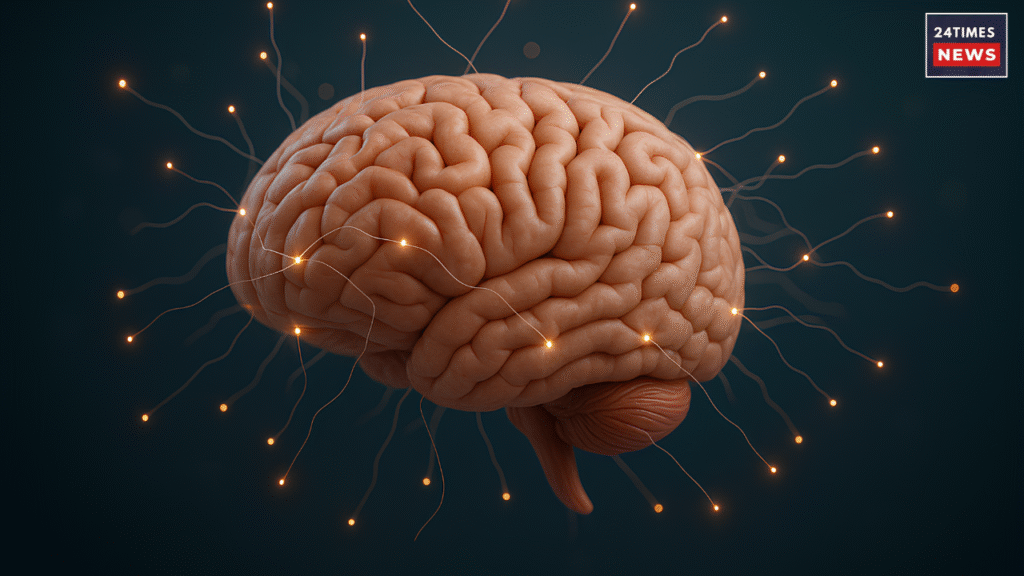
Persistent Headaches: Headaches are a common problem and are often caused by stress, lack of sleep, dehydration, fatigue, or migraines. In most cases, they are not linked to serious health conditions. However, if headaches occur frequently, continue for a long period, or become more intense over time, they should not be ignored. A headache that feels different from usual or keeps returning despite rest and medication may require medical attention. Paying attention to changes in the pattern or severity of headaches can help identify whether further evaluation is needed.
Memory Problems: Gradually worsening memory can also be a sign that something is affecting the brain’s normal function. If you find yourself frequently forgetting names, conversations, appointments, or everyday tasks, it may be more than simple mental fatigue. Difficulty concentrating, confusion, or trouble remembering recent events can sometimes occur when the brain is under pressure. If these symptoms persist or become more noticeable, it is important to seek medical advice and get them properly assessed.
Blurred or Double Vision: Changes in eyesight should never be ignored, especially if they appear suddenly or continue to worsen over time. Blurred vision, difficulty focusing, or seeing double are often linked to eye-related issues, but in some cases, they may indicate a problem affecting the brain. Certain brain conditions can impact the areas responsible for processing vision, leading to noticeable changes in eyesight. If these symptoms persist, it is important to seek medical advice rather than assuming they are caused only by eye strain or the need for new glasses.
Balance and Walking Difficulties: Trouble maintaining balance while walking can also be a warning sign. If you frequently stumble, feel unsteady on your feet, or notice your legs shaking while climbing stairs, it may indicate that the part of the brain responsible for coordination and movement is not functioning properly. Repeated falls, dizziness, or difficulty walking in a straight line should be evaluated by a healthcare professional.