Table of Contents
Why did CJP President Abhijit Dipke demand Dharmendra Pradhan’s resignation?
Among protests over the NEET controversy, CJP president Abhijit Dipke has demanded the resignation of Union Education Minister Dharmendra Pradhan. He said in clear words that nothing less than the resignation of Dharmendra Pradhan will be accepted on this issue related to students. The ongoing controversy over NEET has raised concerns among students, parents and political parties. Protests regarding the examination system and related questions are constantly in discussion.
Abhijit Dipke’s statement has further clarified the demands of the protest. According to him, mere assurances or announcement of investigation will not be enough. The protesters are demanding fixing the political responsibility of the Education Minister.
NEET is one of the most important entrance exams in the country. The future of lakhs of students preparing for admission in medical education is linked to this. Therefore, any controversy related to the examination directly affects the students and their families. The statement of the CJP president has come at a time when political conflict over NEET is also increasing.
The challenge before the government now is how it addresses the concerns of students and protesters. The controversy will not end with mere political allegations and counter-allegations. At present, Abhijeet Deepak’s statement has further sharpened the political demands of the protests regarding the NEET controversy. Now it remains to be seen how the government responds to this demand and in which direction the movement moves forward.
What did CJP President Abhijit Dipke demand from the government on the NEET controversy?
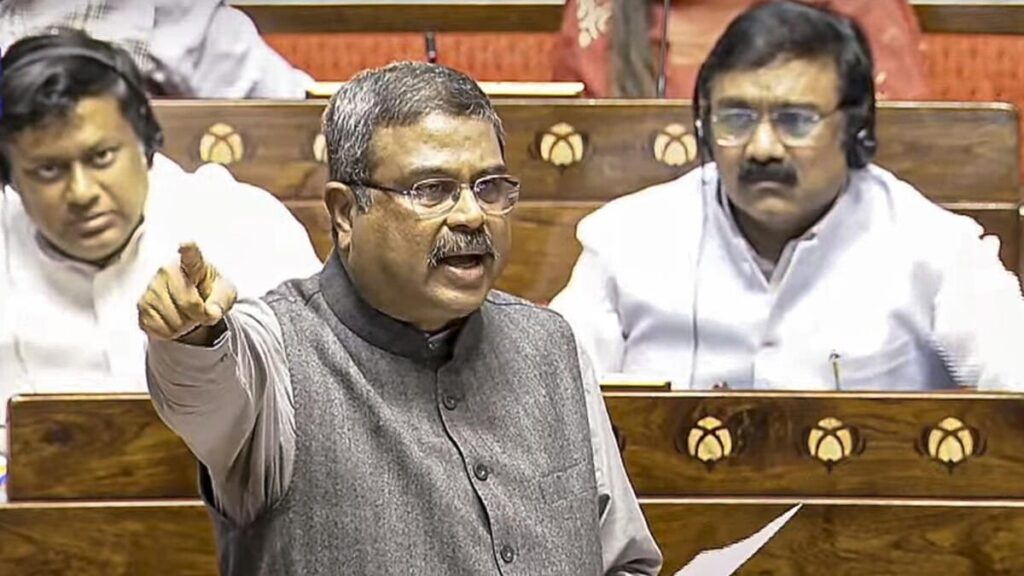
CJP president Abhijit Dipke has demanded the resignation of Union Education Minister Dharmendra Pradhan over the NEET controversy. He said that mere investigation or assurance is not enough in this matter related to students.
According to his statement, political responsibility for the controversy should be fixed. On this basis, he described the resignation of Dharmendra Pradhan as the main demand of the protesters. There has been a long-standing concern among students and parents regarding the NEET exam. Questions and alleged irregularities related to the examination process have increased pressure on the government to fix accountability.
The demand raised by CJP makes this protest more politically explicit. The organization says that answers should be sought from the responsible officials in the dispute related to the future of the students.
Why is there a demand for Dharmendra Pradhan’s resignation in the NEET controversy?
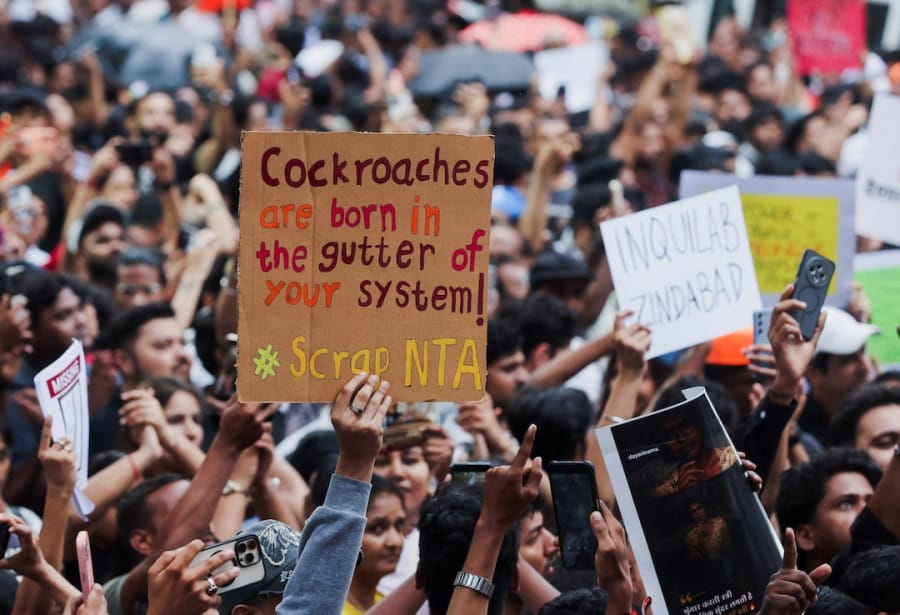
Amid the NEET controversy, demands for the resignation of Education Minister Dharmendra Pradhan have become a major part of the political debate. The protesters argue that questions related to the examination system should be held accountable under the responsibility of the Ministry of Education.
At the same time, the government says that matters related to the examination should be investigated and resolved as per the prescribed procedure. This difference in the stance of the government and the protesters is further increasing the controversy. Abhijit Dipke’s statement shows that the protesters are not satisfied with mere administrative action. They are also demanding fixing of responsibility at the political level.
Now it will be important to see what stance the government takes regarding this demand. If the protests continue, the demand for Dharmendra Pradhan’s resignation could become a major issue of political pressure. At present, the NEET controversy has gone beyond the future of the students and has turned into a debate on the accountability and political responsibility of the government.
What is the biggest challenge facing the government in the NEET movement?
The biggest challenge before the government amid the NEET controversy is to provide a credible solution to the concerns of students and protesters. The demand for the resignation of Education Minister Dharmendra Pradhan by CJP President Abhijit Dipke has further sharpened the political angle of the agitation.
It will not be enough for the government to simply announce an investigation. Students and parents need transparency in the examination process and clear answers about the future. At the same time, the government also faces the challenge of preventing the protests from turning into a political conflict. It will be necessary to take the questions of dialogue and accountability on the demands of the protesters.
If there is no dialogue between the government and the agitating parties, the dispute may drag on further.
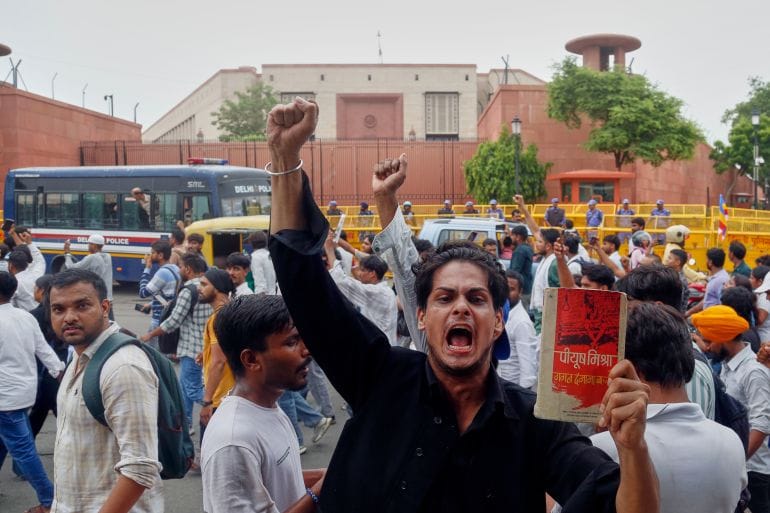
Will the demand for Dharmendra Pradhan’s resignation increase political pressure?
The demand for Dharmendra Pradhan’s resignation is turning the NEET controversy into an issue of direct political accountability. The CJP is clear that nothing less than the resignation of the Education Minister will be accepted. Opposition parties are also cornering the government on this issue. In such a situation, political pressure on the central government may increase.
However, the government’s stand on this demand will be decisive. If the government rejects the demand for resignation, the protesters may intensify the movement. On the other hand, the government may offer investigation and administrative action as a solution.
In the coming days, the student movement, the opposition’s strategy and the government’s response will determine the direction of this controversy. At present, the NEET controversy is no longer just a question of the examination process. This has become a major issue related to the future of students, government accountability and the political responsibility of the Education Minister.