Six months. That’s all it took for Bajaj Auto’s R&D team to pull off a redesign that’s got everyone in the motorcycle world buzzing. In an industry notorious for stretched-out timelines and endless approvals, what Bajaj did with Triumph’s 400cc range feels almost unheard of, a testament to Indian engineering grit and sheer necessity.
Table of Contents
The Backstory: A Tax Shake-up Sends Shockwaves
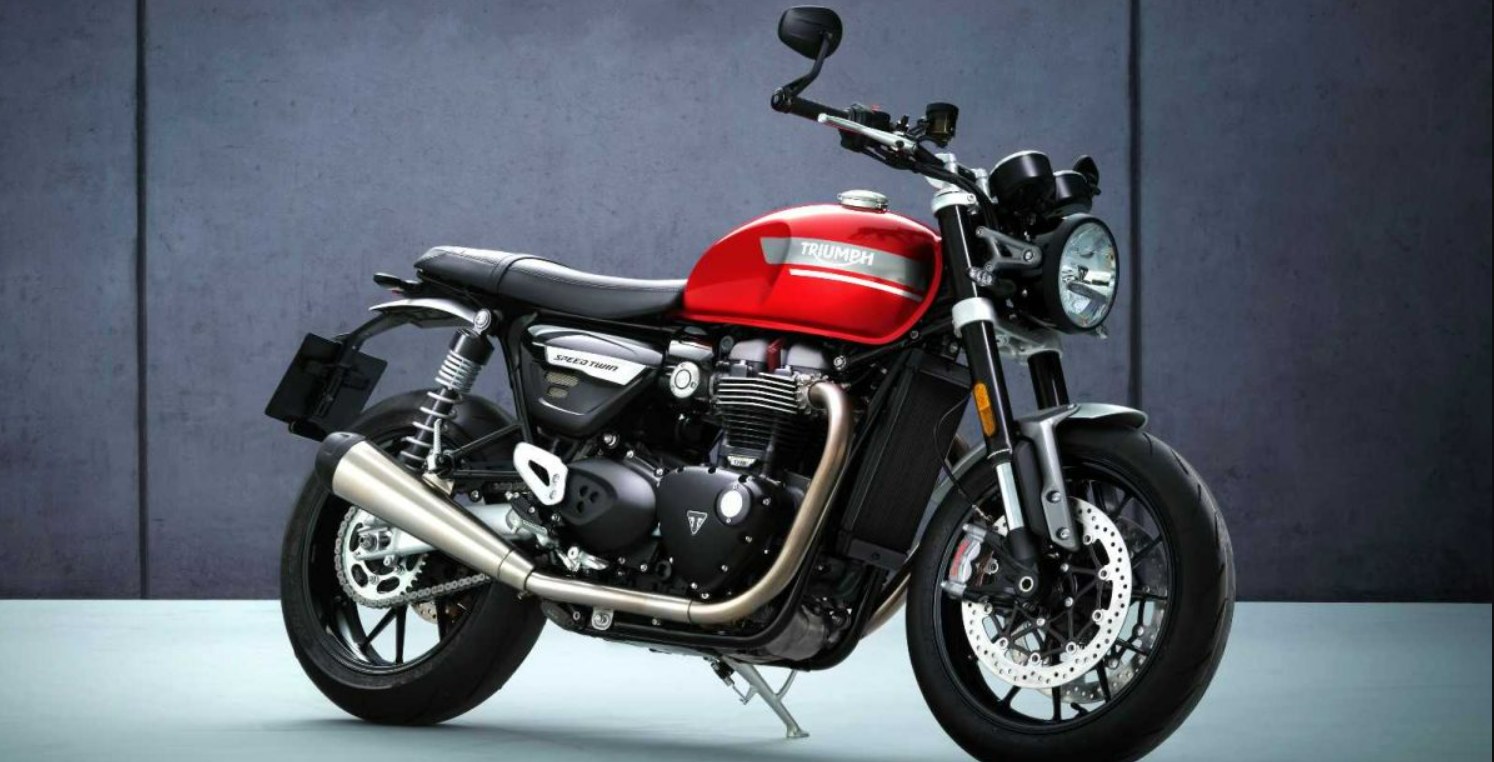
Let’s rewind to September 2025. That’s when the government unveiled GST 2.0, slamming motorcycles over 350cc with a punishing 40% tax rate. Compare that to the friendlier 18% rate for bikes under that mark, and you get the picture: overnight, mid-segment motorcycles became luxury items, at least on paper. Triumph’s Speed 400 and Scrambler 400, both rocking 398cc engines, were suddenly parked in the wrong neighborhood. Buyers faced a sticker price jump of nearly ₹50,000, a gut-punch for anyone saving up for that dream ride.
Engineering Under Pressure: The Race Against Time
Bajaj Auto, Triumph’s Indian partner, didn’t have the luxury of endless meetings and slow-motion fixes. They had just six months to crack a problem that would normally take over a year, maybe two. And failure wasn’t really on the menu. The idea wasn’t to shrink the bike or slap some stickers on it. Bajaj’s engineers dug into the heart of the problem: the engine.
Reimagining the Engine, Not Just Downsizing
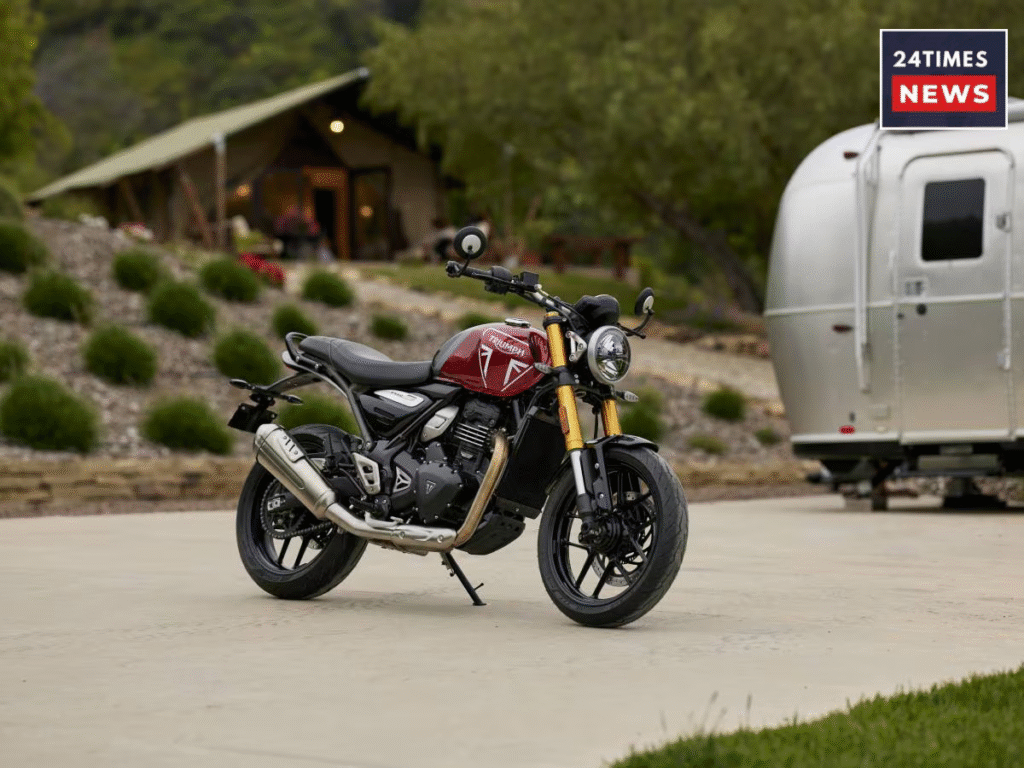
Here’s where it gets clever. Keeping the bike fun mattered as much as lowering the tax bill. Bajaj decided to leave the engine’s bore, the diameter of the cylinder, untouched. Instead, they shaved millimeters off the piston’s stroke, shrinking the engine’s total volume to a tax-friendly 349cc. This one tweak instantly pulled the new models out of the luxury bracket and back into affordable territory.
But that’s only half the story. A smaller engine usually means a weaker punch, right? Not this time. The R&D team dialed in the engine mapping, sharpened the throttle response, and tuned every setting until the smaller engine still delivered the kind of pep and agility Indian riders demand, especially in traffic.
Winners at the Showroom: Lower Prices, Same Thrill
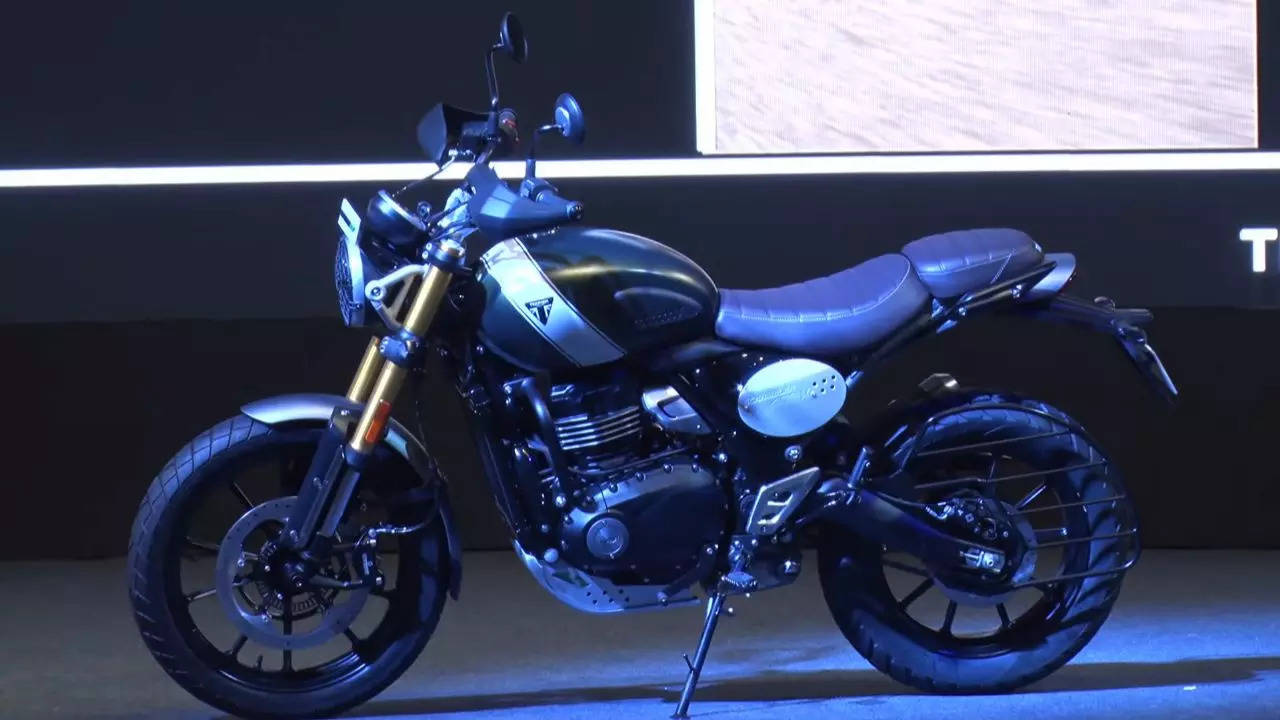
By the time the new bikes hit showrooms, the benefits showed up right on the price tag. Depending on the model, Triumph’s 350 line-up landed somewhere between ₹10,000 and ₹21,600 cheaper than the outgoing 400cc versions. The Speed T4 dropped to around ₹1.95 lakh, with the Thruxton and Scrambler not far behind, making them accessible again to India’s growing base of bike lovers.
Riders Ask: Did We Lose Anything?
Naturally, riders wanted to know what they’d give up. The answer: not much. Testers found the downgrade in power pretty minor, just a two or three-horsepower dip. Top speed barely nudged down, and for the 0-60 km/h dash, you’d need a stopwatch to notice. Strangely enough, the smaller engine feels smoother in city traffic, which, let’s be honest, is where most owners spend their time.
Bajaj Didn’t Forget Global Fans
For Triumph fans abroad, no need to panic. Bajaj kept the original 400cc engine production running at their Chakan plant, shipping those versions out to Europe and the U.S., where bike taxes aren’t so steep. So, outside India, Triumph’s line-up stays as muscular as ever.
Raising the Bar for Indian Manufacturing
What Bajaj pulled off here goes beyond dodging a tax hike. In just 180 days, they didn’t just make Triumph bikes affordable again; they showed everyone how fast and flexible Indian manufacturing has become. This isn’t just about survival. It’s about setting a benchmark for what’s possible when creativity and urgency collide.