Table of Contents
Traveling from Delhi to Uttarakhand is about to get faster.
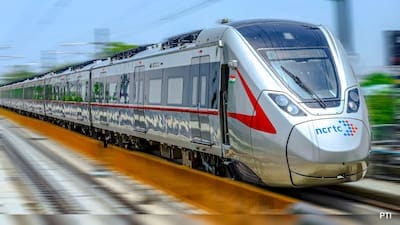
Traveling from Delhi to the Chardham region of Uttarakhand may become much easier in the coming years. The proposed Meerut-Haridwar-Rishikesh Namo Bharat Extension and the under-construction Rishikesh-Karnprayag rail line are planned to reduce travel time from Delhi to Rishikesh and further to the Garhwal region. Once the project is fully developed, it is estimated to take around 2 to 2.5 hours to reach Rishikesh from Delhi.
Namo Bharat connectivity is already in place from Delhi to Meerut. The proposed extension is planned to take it to Haridwar and Rishikesh. However, the 2.5 hour Delhi-Rishikesh travel time is currently an estimated travel time and not the actual service time.
With this, the Rishikesh-Karnprayag rail line will further the rail connectivity in the hilly areas of Garhwal. After completion of both the projects, passengers coming from Delhi-NCR for Chardham Yatra may get an option of long road journey.
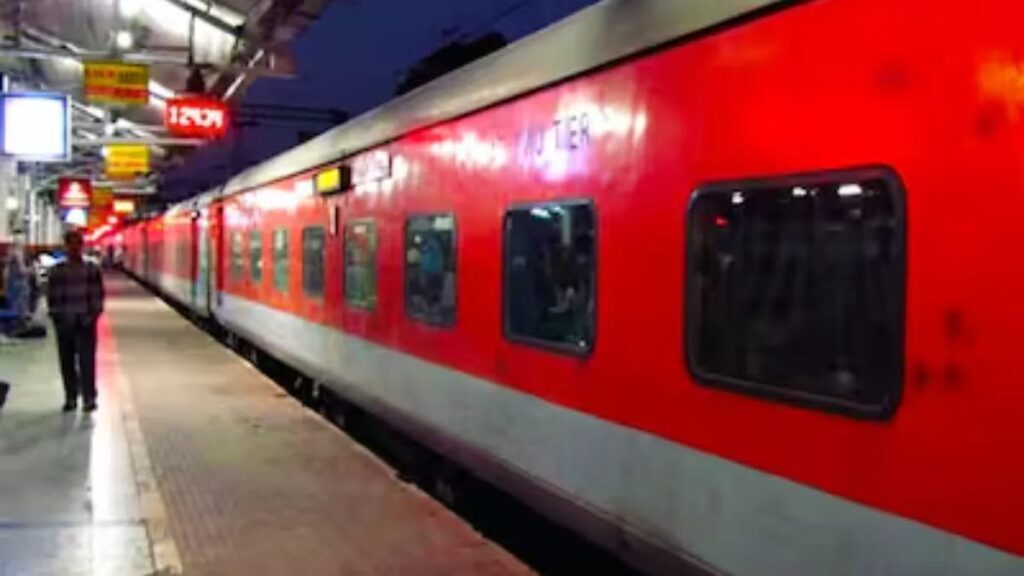
The journey from Rishikesh to Karnaprayag takes 2 to 2.5 hours.
The Rishikesh-Karnprayag rail project is approximately 127 kilometers long and approximately 75 percent of the work is complete. A major part of this railway line will pass through the mountains, thereby developing rail connectivity in a difficult geographical area.
Currently, travelling by road from Rishikesh to Karnaprayag may take around 6 to 7 hours depending on traffic and weather conditions. After the railway line starts, this journey is expected to be completed in about 2 to 2.5 hours.
This can save time for the passengers travelling to and from the Garhwal region. This connectivity is considered important especially for pilgrims and tourism.
The 127-km rail line includes 105 km of tunnels.
The most significant feature of the Rishikesh-Karnprayag rail project is its tunnel section. Of the approximately 127 km long railway route, about 105 km will pass through tunnels. Considering the difficult geographical conditions of the Himalayan region, this project is a big challenge from the engineering point of view.
On September 11, it was reported that the final breakthrough of the approximately 10-kilometer-long Escape Tunnel-1 was completed. This is considered an important phase in the construction of the project.
The project is targeted for completion in 2029. The Shivpuri-Byasi section is expected to be completed earlier, in 2028.
Chardham pilgrims will benefit significantly.
This railway line will not go directly to the Kedarnath or Badrinath temples. This will benefit the travellers in the form of getting closer to the road routes leading to these major religious places. Passengers going to Badrinath can reach Karnaprayag by train and then take the road route towards Joshimath and Badrinath.
Rail connectivity around Rudraprayag and Tilani area will be useful for travellers going to Kedarnath. From here, travelers will be able to proceed towards Gaurikund via road.
Elderly travellers and tourists are also expected to benefit from the reduction in the long and winding mountain road journey. This can make it easier for travellers coming from Delhi-NCR to plan their travel during the Chardham Yatra.
The rail line will pass through five Garhwal districts.
The Rishikesh-Karnprayag rail project will pass through parts of five districts in Uttarakhand: Dehradun, Tehri Garhwal, Pauri Garhwal, Rudraprayag, and Chamoli. About 12 stations are proposed in the project.
These stations include places like Rishikesh, Muni Ki Reti, Shivpuri, Byasi, Devprayag, Maltha, Srinagar Garhwal, Tilani, Gauchar and Karnaprayag.
The impact of improved rail connectivity is not expected to be limited to pilgrimage and tourism alone. This will also provide better connectivity to local people, farmers, businessmen and tourism related businesses with Delhi-NCR and other areas.
The journey from Delhi to Karnaprayag is estimated to take 5 to 6 hours.
After the completion of both rail projects, the total journey from Delhi to Karnaprayag is estimated to take approximately 5 to 6 hours. The same journey on existing road travel can take around 12 to 13 hours, although the actual time depends on traffic, weather and road conditions.
This change could transform the way of commuting from Delhi-NCR to the Garhwal region of Uttarakhand. Rail connectivity can play an important role in reducing the pressure on road transport, especially during the pilgrimage season.
However, for this complete transformation to happen, both projects need to be completed as per schedule. The faster Delhi-Rishikesh journey is dependent on the proposed Namo Bharat Extension, while the Rishikesh-Karnprayag connectivity will be available only after the completion of the under-construction rail project.
The full picture is expected to be clear by 2029.
The Rishikesh-Karnprayag rail line is targeted to be operational by 2029, while the Shivpuri-Byasi section is expected to be completed earlier in 2028. This, along with the proposed Namo Bharat Extension, could create a network of rapid rail connectivity from Delhi to Rishikesh and then to Karnprayag.
The biggest feature of this project is the 105 km tunnel network, which shows the challenge of railway construction in the Himalayan terrain. Once completed, access to many parts of the Garhwal region is expected to become easier.If both the projects are completed as per the planned schedule, then there could be a major change in the travel from Delhi to Chardham area. At present, the focus is on the progress of construction and the next phase of the proposed Namo Bharat expansion.