Table of Contents
The journey from stardom to power: a new facet of changing politics in democracy
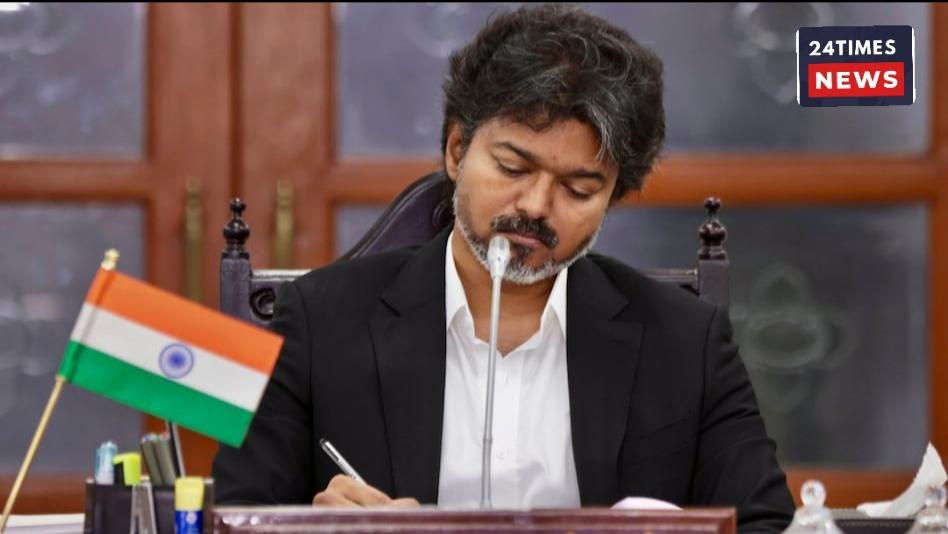
The relationship between popularity and politics is not new in democracy. There are many such examples in history when famous people associated with art, sports, cinema or social life entered politics and gained public support. But the speed and organised manner in which this trend has grown in the last few years has sparked a new debate on the nature of democratic politics.Today, social media, 24-hour news channels and digital campaigning have created the ability for any popular face to gain political recognition in a very short time. Earlier, political leadership was developed after years of organisational experience, mass struggle and a long journey in public life, whereas now, fame itself often becomes political capital.
However, any citizen has the constitutional right to contest elections and enter politics. Democracy is based on the principle that the people themselves elect their representatives. Therefore, the political role of a celebrity cannot be questioned merely on the basis that he has previously been successful in some other profession.The real question cames whether popularity will give the guarantee of political leadership? A veteran actor, good sportsperson or artist may not be able to handle the hurdles of administration, policy making, economy, law or governance with the same smoothness. Politics is not just about winning elections, but it also requires the some ability to take decisions, to accountability and balance the interests of different sections.
On the other hand, there are many examples where leaders from public life played an effective role in politics and made their mark at the administrative level. Therefore, any person should be evaluated not only on the basis of his fame but also on the basis of his political vision, working style and public accountability.
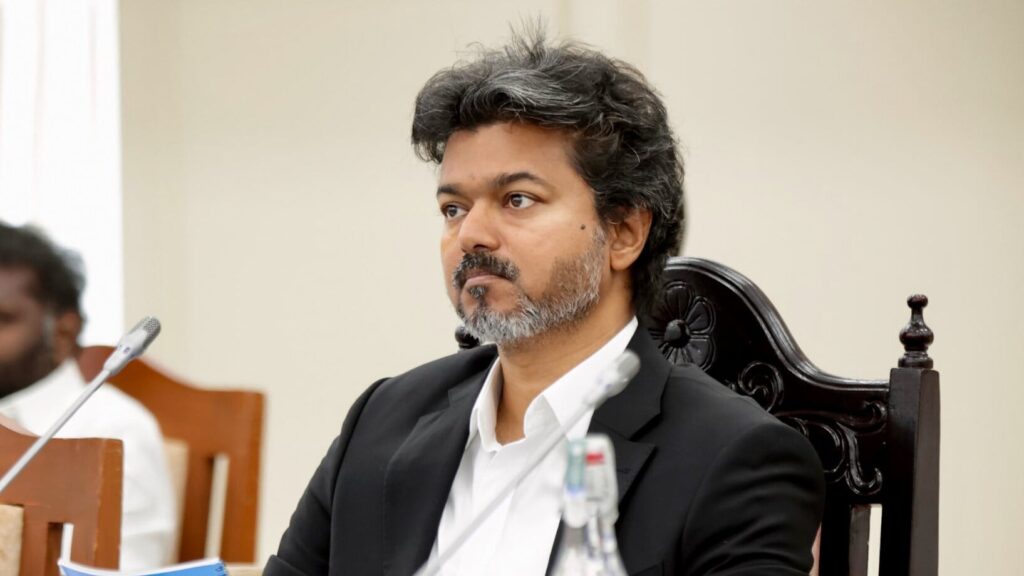
What is the dissimilarity between popularity and leadership?
Popularity can give a person recognition among people, but leadership is the ability to convert that recognition into responsibility.Proponents of celebrity politics argue that famous individuals can better communicate with the public. They already have public support and credibility, which can be used to bring about social and political change.
Critics say that if politics becomes merely a competition for popularity, ideology, policies and administrative capability may be left behind. This increases the risk of democratic debate becoming personality-centric.That is why researcher thinks that any candidate should be estimated on the basis of his ideas, policies, public record and accountability rather than his fame.The most important characteristic of democracy is that the final decision rests with the people. Any person, be it an actor, a sportsperson, an industrialist or a social worker, has to gain the trust of the voters to win the election.
Popularity may give an initial edge, but to survive in politics for a long time, work, performance and constant engagement with the public are necessary. Many famous faces have lost elections, while many relatively less popular candidates have achieved great political success by winning the trust of the public.So, in a democracy, fame may be an opportunity, but the ultimate measure of success remains public trust.
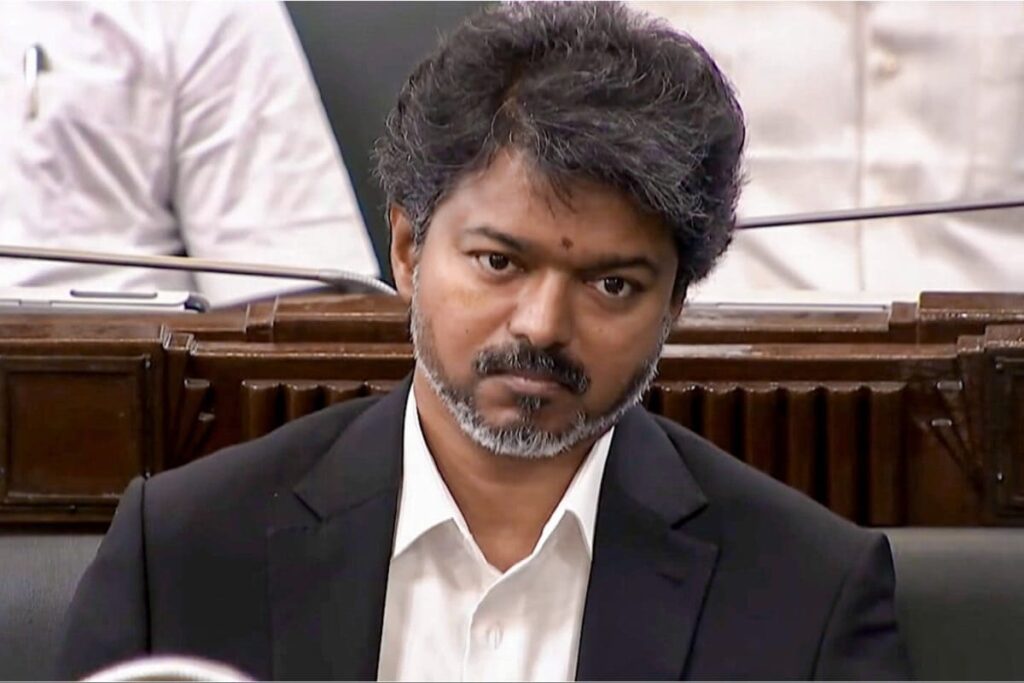
Has social media further strengthened celebrity politics?
The digital age has changed the style of politics. Today, social media platforms allow any public figure to reach millions of people directly. This is why it is easier than ever for celebrities to convey political messages.
Earlier, election campaigns relied mainly on public meetings, posters and traditional media. Now, through short videos, live broadcasts and digital campaigns, leaders can instantly convey their message to voters. Those who already have a large digital presence have a natural advantage in initial promotion. However, experts also say that digital popularity and real public support are not always the same. Having millions of followers on social media does not mean that the same people will support the same person at the time of voting.
Ultimately, in politics, the role of organization, local workers, public relations and credibility remains. Therefore, social media is definitely an effective medium, but it cannot become a substitute for the democratic process.
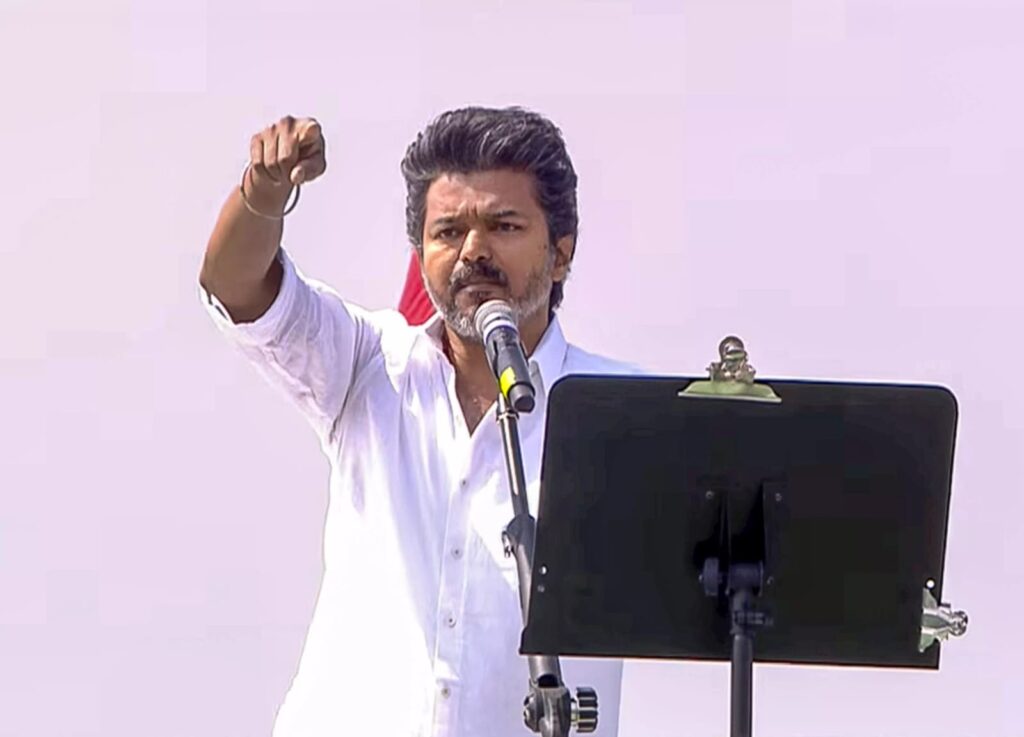
In democracy, accountability, not popularity, is the ultimate criterion.
The entry of popularity into politics is natural. People who are respected and recognized by society over a long period of time may also aspire to play a greater role in public life. there is nothing inherently unusual about this. Democracy gives every citizen equal right to enter politics and contest elections.
But when fame turns into political power, the responsibilities associated with it also increase. The public does not just elect faces, but elects representatives who take decisions related to their lives. Therefore, any leader should be evaluated more on the basis of his work, policies, transparency and accountability rather than his popularity.The biggest danger in democratic politics arises when personality begins to dominate policies. If elections become a competition of only famous faces, core issues like education, health, employment, economy and governance may get left behind. On the other hand, if popular figures use their identity for public good and provide effective administration, they can also strengthen democracy.
This is why celebrity politics should neither be fully accepted nor completely rejected. Every leader should be evaluated on the same democratic standards-based on his policies, public life, decision-making ability and accountability.Ultimately, the real strength of democracy lies not in the fame of an individual, but in the conscience of an informed voter. It is he who decides whether popularity will be limited to merely garnering applause or will transform into a real responsibility of public service. This is the most important and lasting strength of the democratic system.