Table of Contents
Kejriwal counterattacks the central government over the E20 fuel, raising questions of accountability and transparency
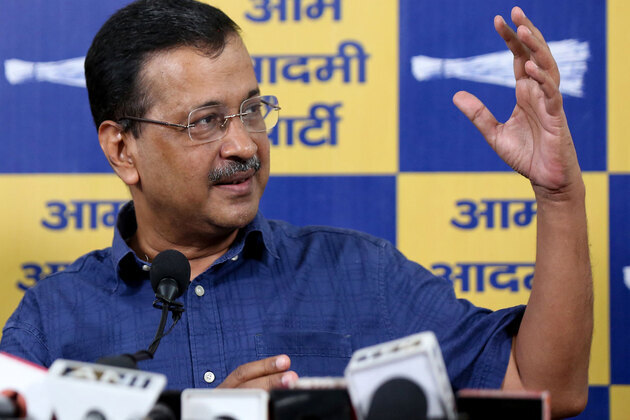
The political debate over ethanol-blended fuel (E20) has once again catches the fire in the country. Aam Aadmi Party national convener Arvind Kejriwal raise questions against the central government’s ethanol blending policy, saying people are not being given completely aware about the information on the issue. He stated that “lies are being told” about E20 fuel and the government should answer who will compensate if any vehicle gets damaged due to the use of this fuel.
Kejriwal said that there are complaints that the mileage of many vehicles is being affected due to the use of E20 fuel. He also said that if the government is going ahead with this policy then it should also give clear information to the consumers on the possible impact, preparedness of the vehicle manufacturers and the compensation system. He said that he will write a letter to Prime Minister Narendra Modi on this issue and seek clarification on the entire matter.
However, the Central Government has already said that the objective of ethanol blended fuel is to reduce dependence on crude oil imports, increase farmers’ income and reduce environmental pollution. The government says that automakers are also developing E20-compliant engines in a phased manner.
This is where the debate splits into two sides. One side says ethanol blending is essential for clean energy and energy security, while the other side questions the cost to consumers, the efficiency of older vehicles, and the technological readiness.
Experts believe that the success of any new fuel policy depends on the government, automakers and consumers moving forward with equal preparation. It is not enough to simply announce a policy; its practical effects also need to be continuously monitored.
What is E20 fuel and what is the controversy that is sparking debate ?
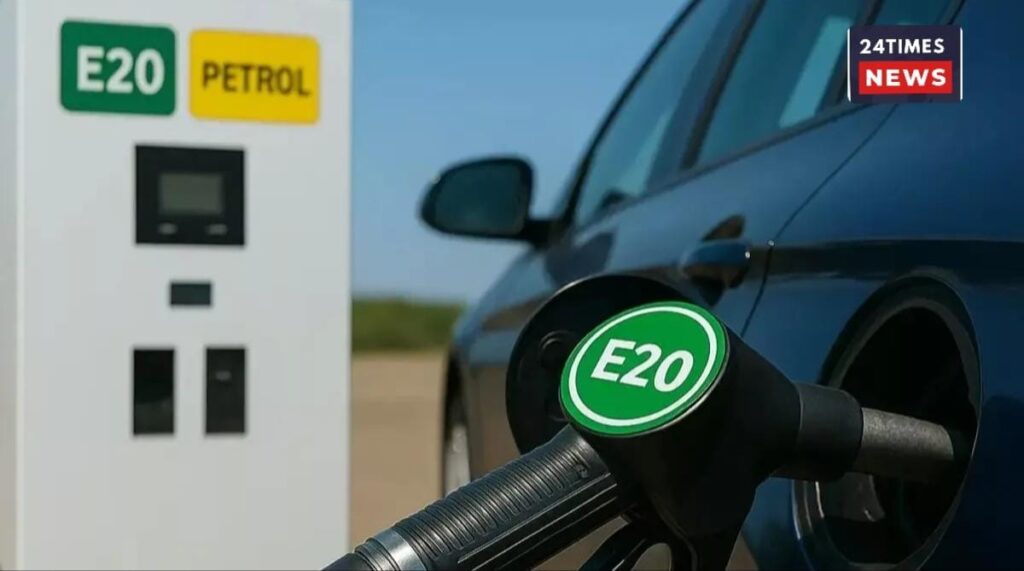
E20 is a fuel made up with mixture of 20 percent ethanol and 80 percent petrol. The Government of India has planned to implement it in a phased manner. It aims to reduce petrol consumption, reduce dependence on foreign oil imports and promote the use of ethanol made from agricultural products like sugarcane.
The controversy began when some political parties and vehicle owners questioned whether all existing vehicles were fully suitable for E20 fuel. Arvind Kejriwal also raised the same issue and said that if old vehicles face technical problems or their mileage decreases, then who will take responsibility for it.
On the other hand, automobile companies and the government have already advised that not all vehicles are designed equally for E20. Newer models are gradually being adapted to this fuel. Therefore, vehicle owners should follow the advice of their vehicle manufacturer.
Experts say that while ethanol-blended fuels can have significant environmental benefits and contribute to energy security, providing consumers with clear information and adequate technical support is equally important.
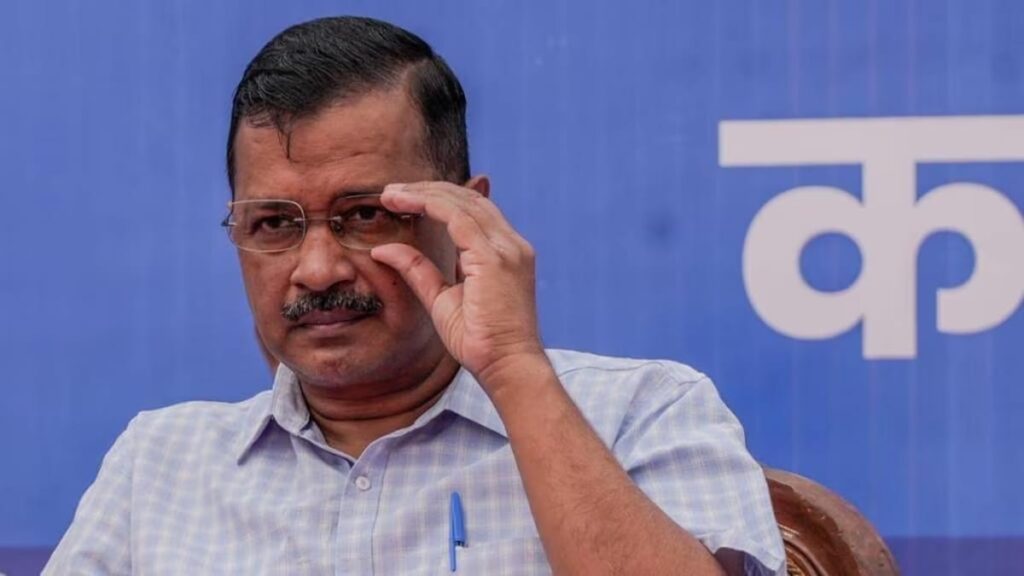
What does the technical side say about the questions raised on E20 fuel?
The ongoing debate over E20 fuel is not only political, but also technical. Automobile experts say that not all vehicles are based on the same technology. Many new vehicles manufactured in the last few years have been developed with E20 blended fuel in mind, while older models may not be suitable for it in every situation.
This is why vehicle manufacturers advise customers to follow their vehicle’s user manual and the company’s official advice. If a vehicle is not certified for E20, its owner should first obtain information from the manufacturer.
Arvind Kejriwal has also raised this issue and said that the government should present the complete picture before the consumers so that people can take the right decision without any confusion. At the same time, the Central Government says that E20 is being implemented in a phased manner so that the change happens in an orderly manner.
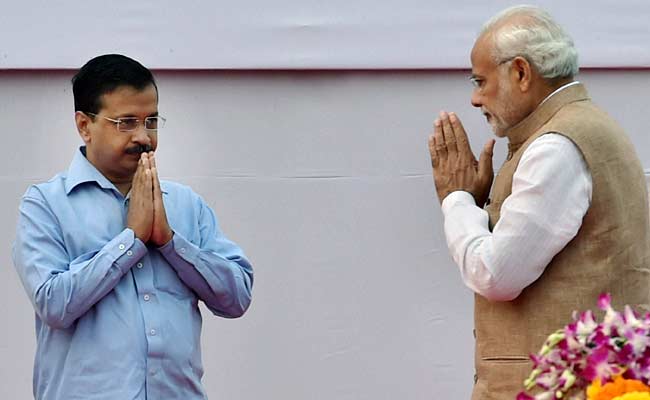
Energy security versus consumer interest, where is the debate heading?
India is among the largest crude oil importers in the world. In such a situation, the government considers the policy of mixing ethanol in petrol as an important step towards energy security and reducing dependence on imports. Along with this, arguments like increasing the income of sugarcane farmers and reducing carbon emissions are also given.
On the other hand, the opposition and some vehicle owners say that there should be complete clarity on the practical implications of any new policy before it is implemented. Arvind Kejriwal has raised the question that if the use of E20 reduces the mileage of a vehicle or causes technical problems in the engine, then who will provide relief to the consumer. He also said that the government should share information on this issue in a transparent manner.
Experts believe that the arguments of both sides have their own basis. On the one hand, there are the country’s energy needs and environmental goals, while on the other hand, questions related to consumer costs and vehicle safety are also important. Therefore, this debate can only be resolved through scientific testing, guidelines from vehicle manufacturers and transparent government communication. Clear policy and trust are needed to move beyond politics on E20.
The debate surrounding ethanol-blended fuel shows that mere government announcements with major policy changes are not enough. If the new system directly impacts crores of vehicle owners, it is equally important to provide clear and factual answers to the questions that arise in people’s minds.
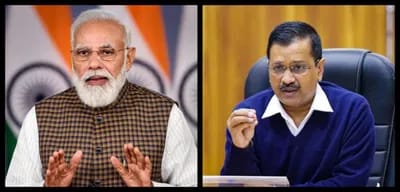
Arvind Kejriwal has asked the central government that if any vehicle gets damaged due to the use of E20 fuel, who will take responsibility for it. He also claimed that the mileage is also being affected and said that he will write a letter to Prime Minister Narendra Modi on this issue.
On the other hand, the central government has consistently maintained that ethanol blending will strengthen energy security, reduce dependence on foreign oil and also benefit the environment. The government has also been saying that E20 compliant vehicle technology is being promoted in a phased manner.
The most important role in this entire controversy is played by facts and technical information. It is important for vehicle owners to know whether their vehicle is E20 compatible or not. Similarly, it is necessary for the government and vehicle manufacturing companies to give clear guidelines to the consumers so that there is no misunderstanding.
Political statements have their place, but the ultimate objective should be such that the energy needs of the country are met and the confidence of the consumers is also maintained. In the future, the clearer the communication between the government, the automobile industry and experts on this issue, the more practical solutions to this debate will be found.