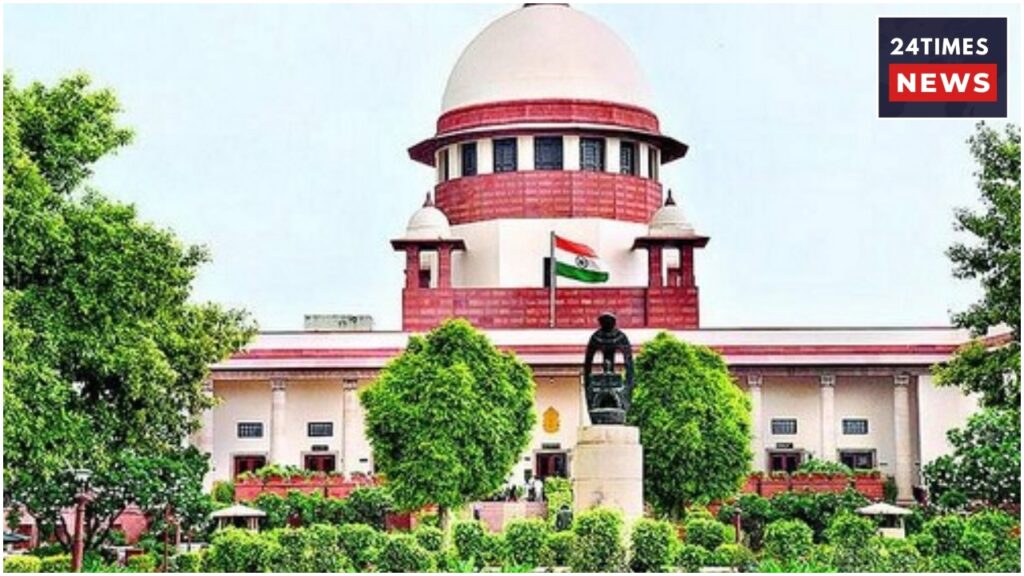
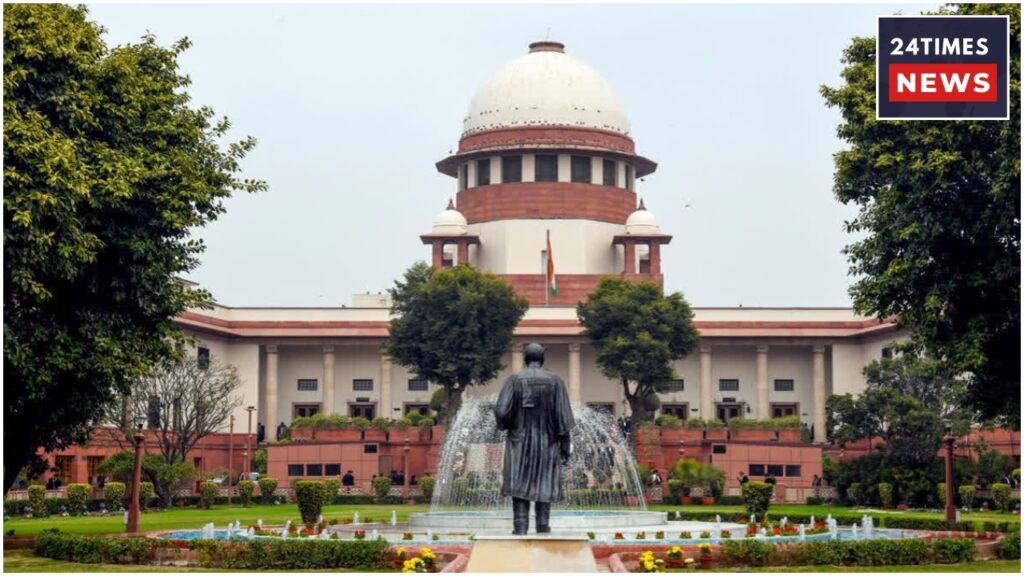
New Delhi: The Delhi Police has filed an affidavit in the Supreme Court, addressing the closure of metro stations during a protest in the capital. In the affidavit, the Delhi Police stated that it had taken necessary measures to comply with the Supreme Court’s directives. The police also provided details regarding their actions to maintain law and order and ensure security in sensitive areas.
In light of the protests planned for October 10, 2026, at Jantar Mantar and other parts of New Delhi, the police reviewed their security arrangements. According to the Delhi Police, the capital houses several critical government institutions, and heightened vigilance was required due to factors such as VVIP movements, diplomatic visits, and other major events.
45 Metro Stations Closed
Following a call for protests, the Delhi Police requested the DMRC to close 45 metro stations from approximately 9:00 PM on October 9 until 10:00 PM on October 10. This decision was taken due to concerns regarding the potential for crowds to gather in sensitive areas and the risk of a breakdown in law and order.
The Delhi Police had also requested a reduction in the frequency of metro trains. On October 10, the Delhi Police wrote to the DMRC, requesting the lifting of these restrictions and the resumption of normal metro operations from 10:00 PM onwards. Furthermore, the affidavit notes that the Supreme Court’s directives concerning the metro had already been implemented.
Several Road Routes Closed
Additionally, the Delhi administration announced that traffic diversions would be implemented on several major roads and intersections starting from 6:00 AM on October 10 and 11. The public was advised to plan their travel, avoid non-essential journeys, and stay updated through the traffic police. The police also reported that 88 signboards indicating traffic diversions had been installed to manage the situation.
Internet was not shut down.
According to the police, mobile internet services were merely restricted in accordance with established rules, in the interest of law and order. These restrictions were being reviewed based on the evolving situation. In an affidavit, the Delhi Police stated that no one was detained illegally, in compliance with court directives.
Furthermore, the police clarified that lawyers, journalists, and other professionals were not prevented from carrying out their work. According to the Delhi Police, action was taken against individuals who were violating orders issued under Section 163 of the Bharatiya Nagarik Suraksha Sanhita. The Delhi Police have stated all these points in court.