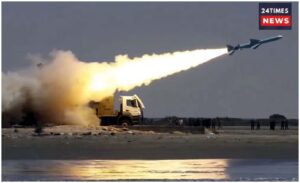
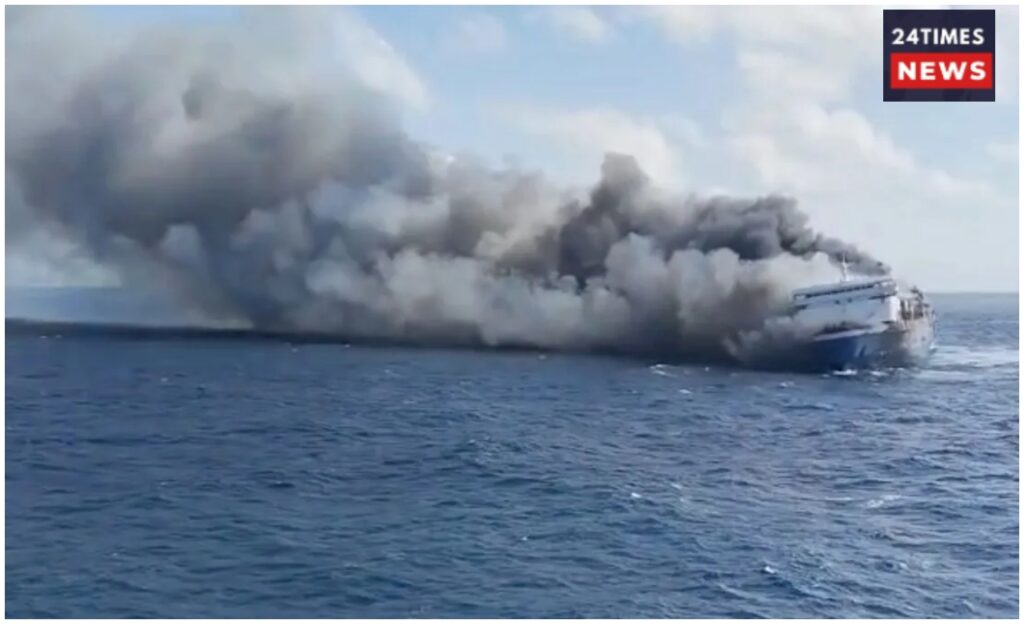
New Delhi: Ever since tensions flared in the Middle East, the Strait of Hormuz route has remained a focal point of attention. It has frequently become a theatre of conflict, with recurring reports of ships catching fire or colliding. On Saturday, three oil tankers caught fire following a collision in the Strait of Hormuz, causing significant alarm. Following a warning from the Iranian Navy, two other tankers were forced to alter their course and return toward the Persian Gulf.
Preliminary investigations indicate that the three vessels caught fire after striking naval mines. According to a Reuters report, an oil tanker struck a naval mine in the eastern part of the Strait of Hormuz on Saturday morning. Subsequently, two other tankers also struck mines laid in the sea. Iranian state media, citing the Navy, confirmed that all three vessels had caught fire.
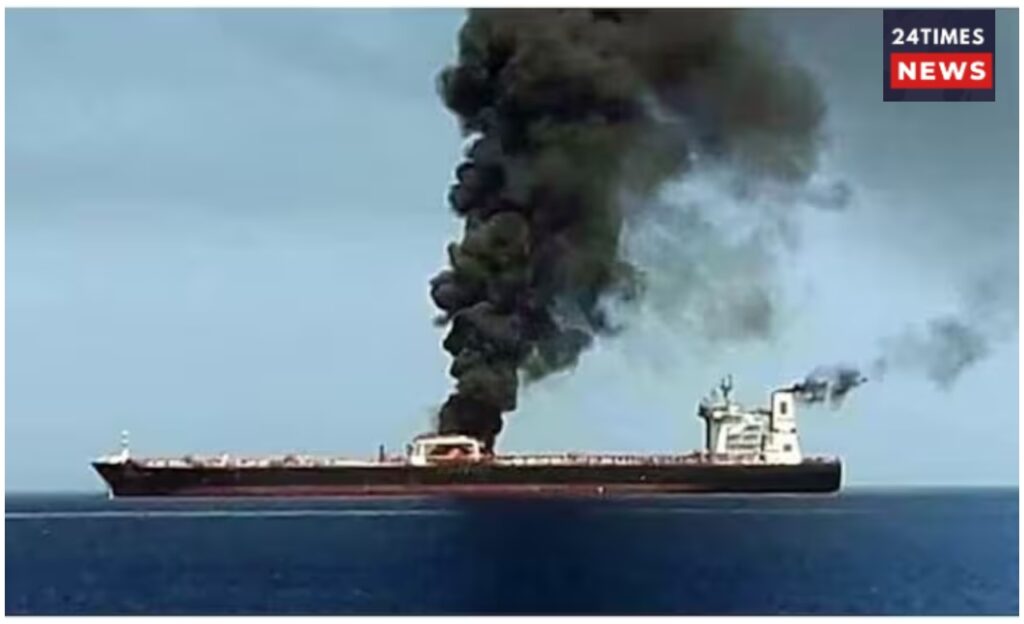
Two tankers turned back following Iranian Navy warning.
The incident involving the three oil tankers caused a stir. On Sunday morning, Iranian state television reported that two additional oil tankers had been attempting to transit through the Strait of Hormuz on Saturday; however, they were forced to change course following a warning from Iran. Iran has imposed restrictions on vessels passing through the Strait of Hormuz.
Tehran asserts that it has targeted ships that violated these regulations. Iran seeks to consolidate its control over this vital maritime route, while simultaneously using it as a means to exert pressure on the United States. Reuters has not independently verified the reports regarding the tankers striking naval mines or catching fire.
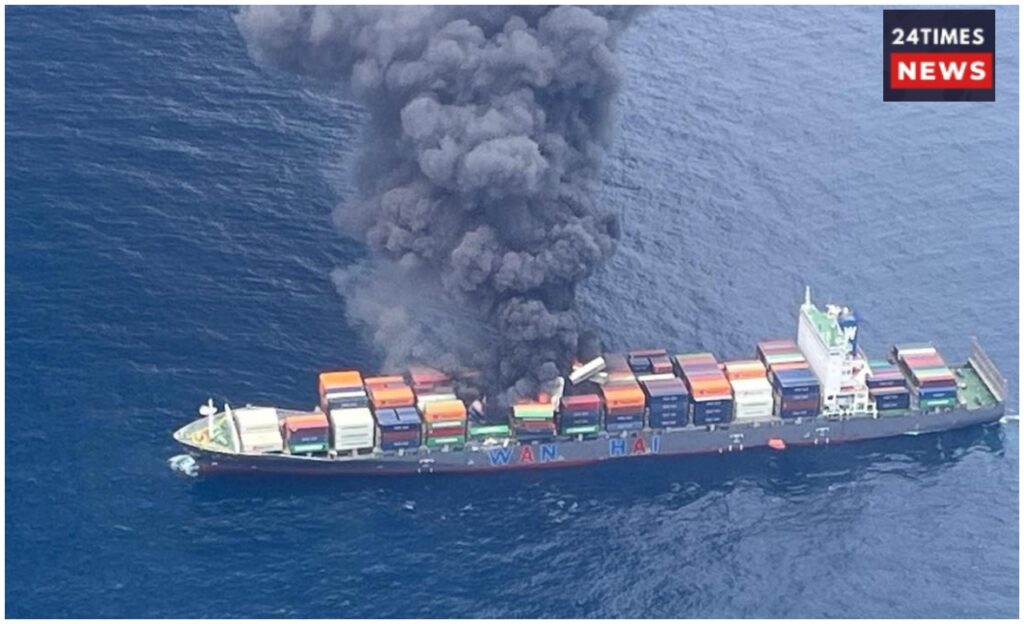
Understanding naval mines
For context, naval mines are explosive devices deployed underwater. These are used to damage enemy vessels; if a ship comes into contact with one, it can trigger an explosion. The Iranian Navy claims that the three tankers struck such devices on Saturday. Meanwhile, the Strait of Hormuz is a maritime passage located between Iran and Oman, connecting the Persian Gulf to the Gulf of Oman.
Large quantities of oil and gas from countries such as Saudi Arabia, Iraq, Kuwait, Qatar, and the United Arab Emirates are transported to other nations via this route. It is a vital artery for the global oil trade; any disruption to the movement of vessels here could impact oil supplies. This is why the world is closely monitoring this incident involving tankers in the Strait of Hormuz.