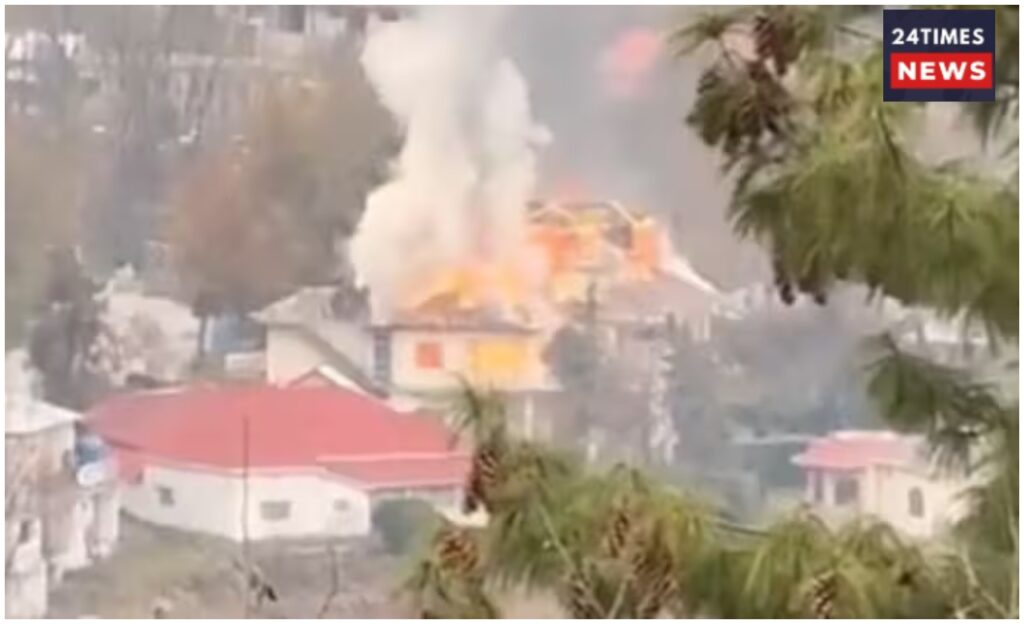
New Delhi: The situation in Pakistan-occupied Kashmir (PoK) is deteriorating once again, creating a mountain of problems for ordinary citizens. The Pakistani Army, which often boasts of its own strength, is now displaying cowardice by targeting civilians in the occupied territory. The army is deploying drones to attack people’s homes.
Furthermore, they are firing directly at residential houses. So far, three people have been killed, and more than 18 have been injured. The wounded have been hospitalised, with some reported to be in critical condition; the death toll may rise further. Images of these brutal attacks by the Pakistani Army are circulating on social media.
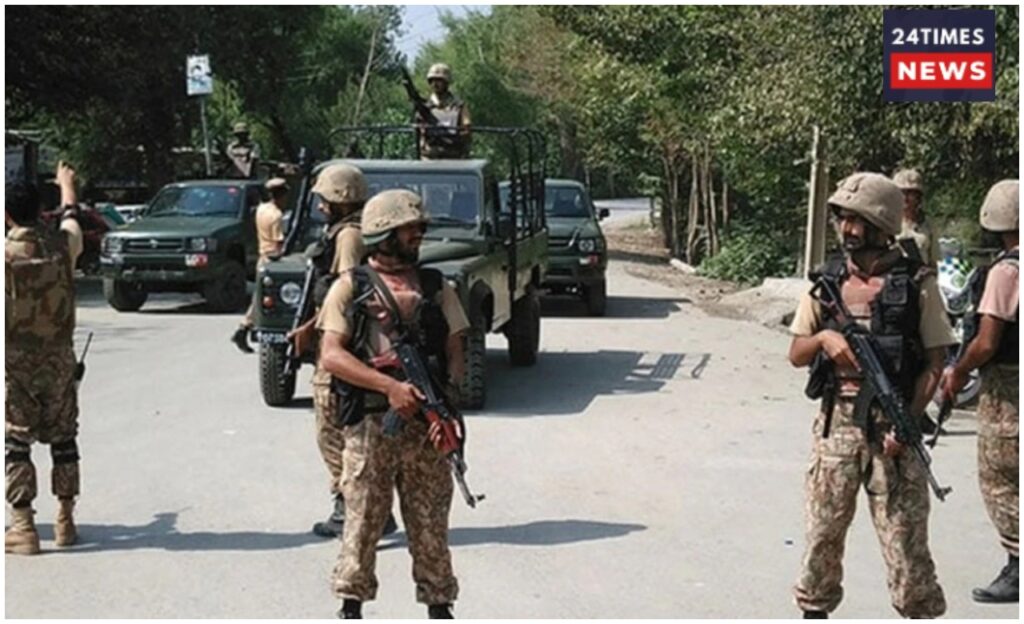
Pakistani Army opens fire in the city of Rawalakot
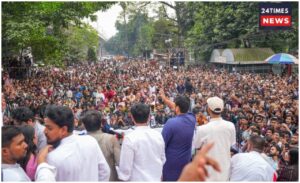
The Pakistani Army has focused much of its fire on the city of Rawalakot. Residents state that the army is deliberately targeting their homes and unarmed protesters. This is not the first such nefarious act by the Pakistani Army.
Since protests began in June 2026, the Pakistani Army has carried out brutal assaults in occupied Kashmir, resulting in the deaths of 153 people. Videos emerging from the region show houses on fire, while residents display pieces of shrapnel recovered from the sites. They claim that the Pakistani Army has effectively signed their “death warrant.”
Other videos capture the sound of continuous gunfire. Protesters report that Pakistani security forces have opened fire on civilians, including children in Rawalakot. The local population asserts that they are prepared to face the oppression of the army currently led by Asim Munir and that they will not back down, regardless of the cost.
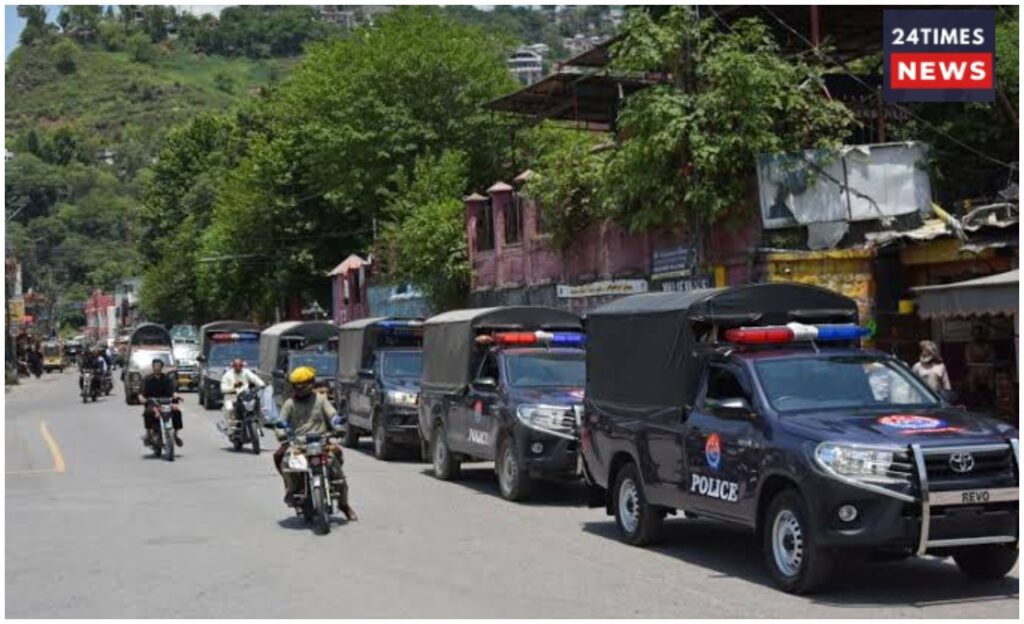
Mobile services suspended in Rawalakot
According to reports, government-provided mobile services and internet access have been completely shut down in Pakistan-occupied Kashmir. Meanwhile, an atmosphere of fear prevails among the people here. They are also voicing their opposition.
This movement in PoK brings to the fore a significant question regarding the relationship between the local population and Pakistan. The protesters are not merely demanding affordable electricity and flour; they are also calling for representation in the legislative assembly, control over local resources, and administrative autonomy.