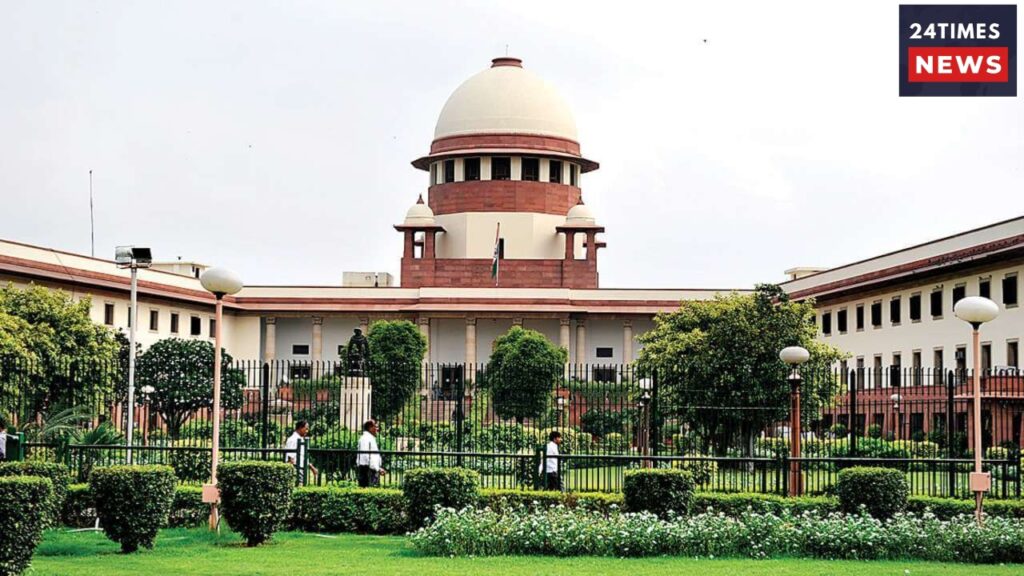
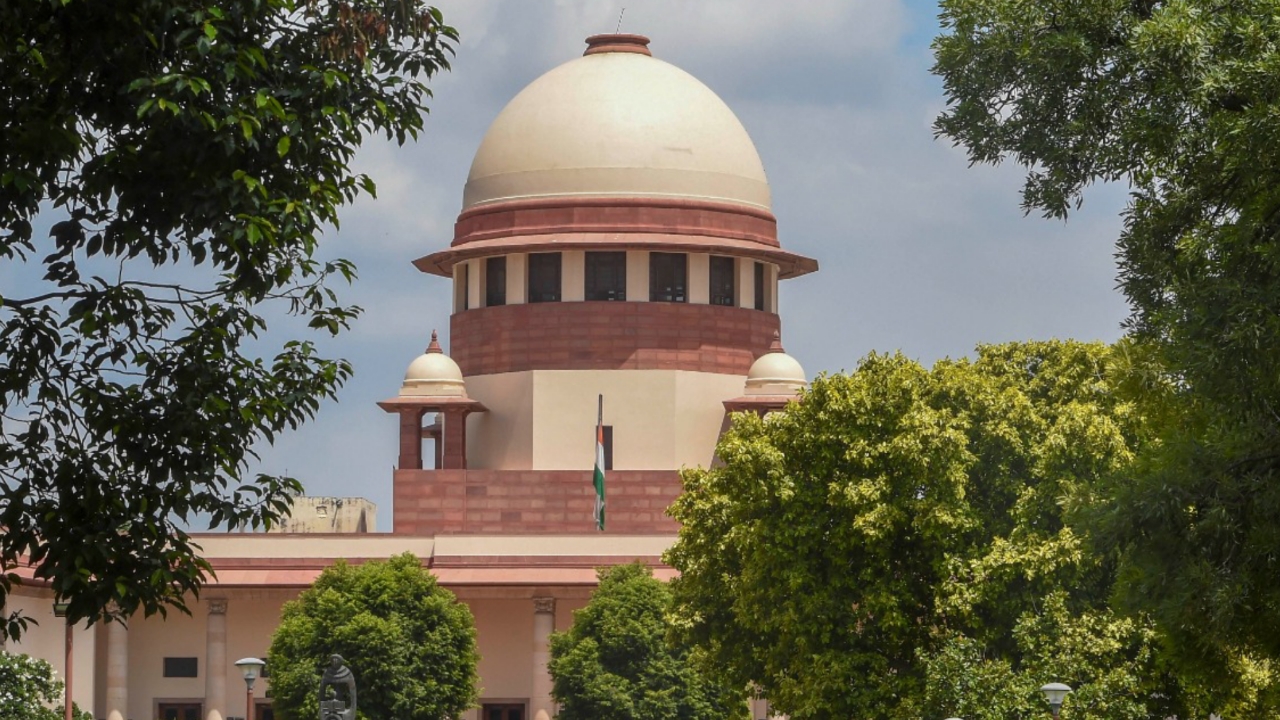
New Delhi: Following a student protest at Jantar Mantar in the capital, the Central Government accepted the protesters’ demands, a move viewed as a victory for the agitators. The Supreme Court made a significant observation regarding this matter on Tuesday, stating that it would constitute a high-level committee to investigate allegations of police excesses against the student protesters in Delhi.
This committee will comprise a retired judge, a former Director General of Police (DGP), a former CBI Director, and other individuals. A bench comprising Chief Justice Joymalya Bagchi and Justice V. Mohana indicated that the formal order establishing the committee would be issued on Wednesday, following the receipt of suggestions from various parties regarding the other members to be included.
Court Seeks Report on FIRs
The Court asked Solicitor General Tushar Mehta for a report on the FIRs in which student protesters have been named as accused and which are slated for quashing. This signals that the Court might exercise its special powers under Article 142 of the Constitution. Meanwhile, the bench remarked that the lives of the protesters are at stake and require consideration; they have a future ahead of them and possess the right to protest under Article 19.
Significant Statement by Tushar Mehta
Solicitor General Tushar Mehta informed the Court that the police had investigated over 2,800 anti-social elements—individuals with prior involvement in serious crimes who were responsible for the violence during the July 20 protest. On August 3, the Supreme Court had clarified that the term “criminal history,” used in its order regarding the release of student protesters, referred only to those involved in serious and heinous crimes.
The Court stated that the State could close or withdraw the FIRs against the remaining students in accordance with the law. This clarification follows the Centre’s statement that it is serious about not pursuing FIRs against students who participated in protests against the NEET exam paper leak, provided they have no prior criminal record.
Right to Protest
It is worth noting that the court had observed that police action during a protest cannot be automatically justified. It emphasised that the right to peaceful protest remains fully protected.
The situation escalated during the protest.
Students protesting against the NEET exam leak had staged a demonstration at Jantar Mantar in Delhi. On the day of the planned siege of Parliament, the Delhi Police resorted to a lathi-charge to disperse the crowd, leaving several students injured. In light of the students’ agitation, the government eventually accepted their demands, prompting the students to call off their protest.