Table of Contents
South Asia witnessed several major developments on Sunday, ranging from India-Bangladesh relations to Nepal’s politics.
South Asia witnessed several important political, diplomatic, and security developments on Sunday. Bangladesh raised the possibility of talks on relations with India, Prime Minister Balendra Shah’s political activities remained in the news in Nepal, and China issued its highest level warning for typhoons. Apart from this, security related news also came from Pakistan Occupied Kashmir and other parts of the region.
If these events are seen separately, each issue is important in itself, but if seen together, the current picture of South Asia becomes clearer. On one hand, efforts are being made to increase diplomatic contacts between countries, while on the other hand, political instability and security challenges also persist. Meanwhile, weather-related disasters have posed a different challenge to the governments.
The possible high-level talks between Bangladesh and India were among the most attention-grabbing issues in Sunday’s developments. Meanwhile, Prime Minister Balendra Shah’s proposed contact with the Indian and Chinese ambassadors in Nepal is being considered important from the point of view of regional diplomacy. China’s typhoon alert also brought severe weather warnings for the entire region.
Efforts to improve relations from Dhaka to Delhi, Modi-Tariq Rahman meeting discussed
The Indian High Commissioner to Bangladesh indicated that a meeting between Prime Minister Narendra Modi and Bangladeshi Prime Minister Tarique Rahman could help ease the strain in relations between the two countries. The relations between India and Bangladesh have been in the news for some time now over several political and diplomatic issues.
In such an environment, direct talks between the top leadership of both the countries can be considered important. Increasing dialogue at the diplomatic level could open the way for talks on issues like trade, border, security and regional cooperation. However, the final programme or detailed agenda for any such meeting has not been revealed yet.
Stability in bilateral relations is important for both India and Bangladesh. The geographical and economic relations between the two countries are quite deep. Therefore, the efforts to reduce tension in relations will not be limited to only the two countries, but can also have an impact on the regional politics of entire South Asia.
Balendra Shah’s activism in Nepal, eyeing both India and China
Nepal Prime Minister Balendra Shah ‘Balen”s proposed meetings with the Indian and Chinese ambassadors have also drawn attention. Nepal’s geographical position is such that it is important for it to maintain balanced relations with both India and China.
Diplomatic contacts with both major neighbouring countries have always been important in Nepal’s foreign policy. In such a situation, Shah’s talks with the ambassadors of both the countries are being seen in the context of the future political and diplomatic direction of Nepal.
Issues like economic cooperation, regional connectivity and bilateral relations may come up for discussion in these meetings. However, it will be clear only after the official agenda of the talks is revealed which issues were given special emphasis by both the sides.
A new ‘Progressive Front’ alliance has emerged in Nepal, changing political dynamics.
The emergence of a new eight-party alliance, the ‘Progressive Front,’ has also increased political activity in Nepal’s politics. The formation of the new alliance comes at a time when political parties in the country are trying to strengthen their base and formulate new strategies amid changing equations.
The coming together of eight parties can also be important from the point of view of electoral politics. If the alliance works effectively on the ground, it could have the potential to change the equations between existing political parties.
However, the real strength of any new political alliance is determined by its organisation, shared agenda and acceptance among the public. In the coming days, it will be important to see which issue the Progressive Front keeps at its centre as it moves forward.
China issues red alert for typhoon, weather poses major challenge
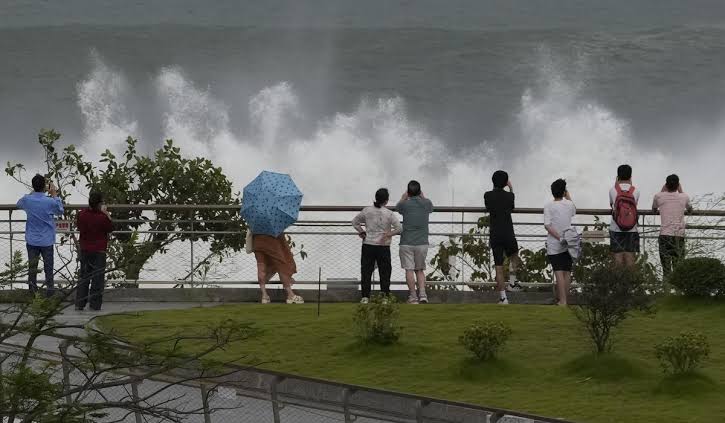
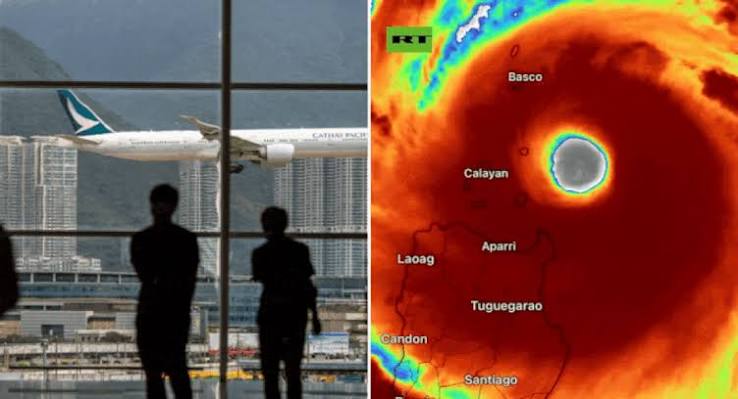
Amidst political developments, China issued the highest level of typhoon warning. After this alert, the challenge before the administration increased to ensure the safety of the people, transportation system and to reduce the possible damage.
Typhoons often bring heavy rain, strong winds and flooding to coastal areas in China. In such a situation, after the red alert is issued, the local administration focuses on keeping the common people safe and preparing emergency arrangements.
This weather warning was significant in Sunday’s events because it shows that South Asia and its surrounding region continue to face pressures from climate and natural disasters, along with political and security challenges.
Security events from Pakistan-occupied Kashmir to Yemen also came under discussion.
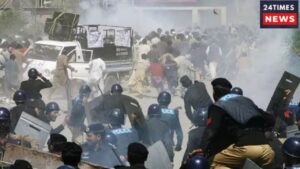
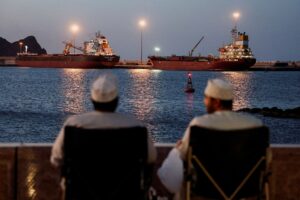
In addition to regional political developments, security-related news emerged from Pakistan-occupied Kashmir and other parts of the country. Meanwhile, Yemen’s Houthi rebels claimed responsibility for an attack in Saudi Arabia, highlighting the ongoing security tensions in West Asia.
Developments in South Asia and West Asia may appear separate, but they can have a significant impact on regional security and diplomatic environment. Many countries, including India, keep a close watch on such developments, especially when they relate to trade routes or regional stability.
Apart from this, the news of arrest in a murder case in Canada was also included in the international developments. In this way, Sunday was not limited to one region, but news related to politics, security and natural disaster kept coming from different countries.

The South Asian landscape: Diplomacy, instability, and the challenge of weather
Sunday’s events, taken together, reveal that South Asia and its surrounding regions are grappling with a variety of challenges. While diplomatic activities indicate the possibility of improving relations between India and Bangladesh, new political alliances and leadership dynamics in Nepal point towards changing equations.
On the other hand, security-related developments show that along with political stability, security arrangements in the region also remain increasingly important. The typhoon red alert in China adds another dimension of natural disaster to the overall picture.
In the coming days, the focus will be on possible high-level talks between India and Bangladesh, Nepal’s new political direction and regional security developments. For now, Sunday’s events certainly showed that South Asia is experiencing constant changes on all four fronts: diplomacy, politics, security and climate.