New Delhi: The US has once again taken a step that is bound to directly impact countries like India and China. The US Senate has passed a bill imposing penalties on Russia and its major petroleum product buyers—specifically China and India. The US government argued that such trade fuels the war in Ukraine.
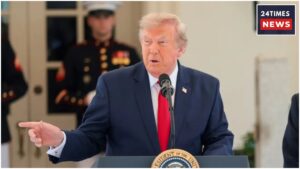
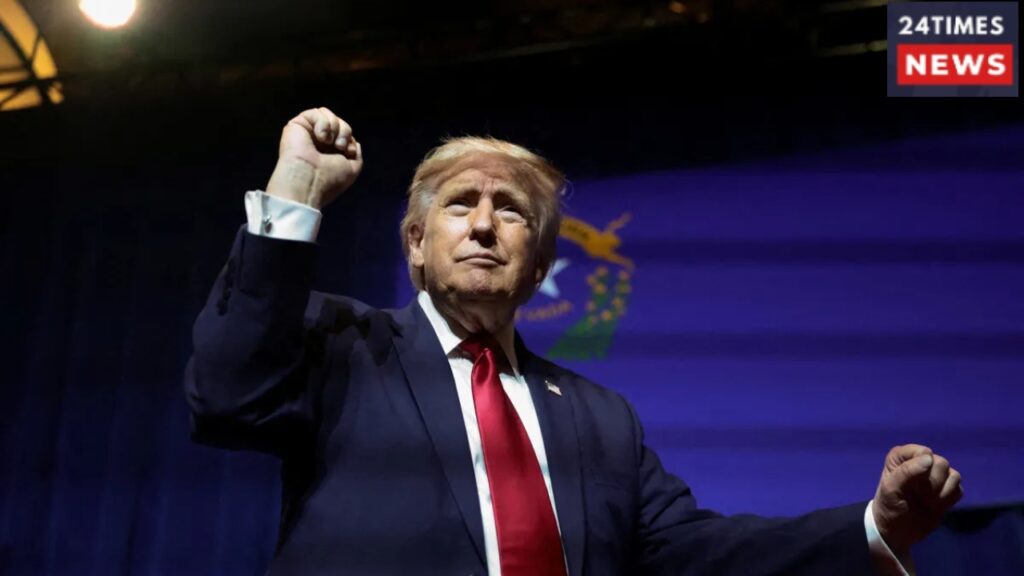
Additionally, the bill has been renamed the “Lindsey O. Graham Sanctioning Russia and Iran Act of 2026.” It was passed by the Senate with a vote of 86-11. The bill authorises President Donald Trump to impose 100% tariffs on the top five importers of Russian oil and gas. The implication is clear: the US could soon announce tariffs on India, which would cause financial losses for Indian exporters.
Plans to Fine Companies Investing in Iran’s Energy Sector
Currently, China, India, Azerbaijan, Hungary, and Slovakia are the largest importers of Russian oil and gas. Beyond sanctions on Russia, this bill extends the sunset clause of the ‘Iran Sanctions Act of 1996’ to 2031.
It also mandates penalties for companies investing in Iran’s energy sector. This bipartisan bill was championed by Republican Senator Lindsey Graham and Democrat Richard Blumenthal.
Following a visit to Kyiv, leaders from both parties—motivated by a renewed sense of purpose—took significant steps to pass the bill and honour the legacy of the late Senator as a staunch ally of Ukraine. The Senator stated that this bill compels countries currently relying on the Russian economy to seek alternative options.
Bill to Impose Sanctions on Russian Leaders and Officials
The bill passed by the US Senate aims not only to ban oil and gas imports from Russia but also to impose sanctions on its leaders and officials. This includes Russian President Vladimir Putin, wealthy industrialists (oligarchs), and financial institutions.
Following the vote, Senator Blumenthal told reporters that these stringent sanctions and tariffs would deter all those involved in this deadly, criminal, and aggressive war. Some Democrats warned that the bill would grant new powers regarding tariffs, noting that such levies have been central to their trade policy. The bill will now proceed to the House of Representatives for approval when it reconvenes on August 31.
It is worth noting that the US has for some time appeared strongly opposed to trading with countries that purchase oil and gas from Russia. It had previously warned nations like India and China on public platforms that it would impose tariffs.