Table of Contents
Iran is making a major bet on the Strait of Hormuz, preparing to block US warships.
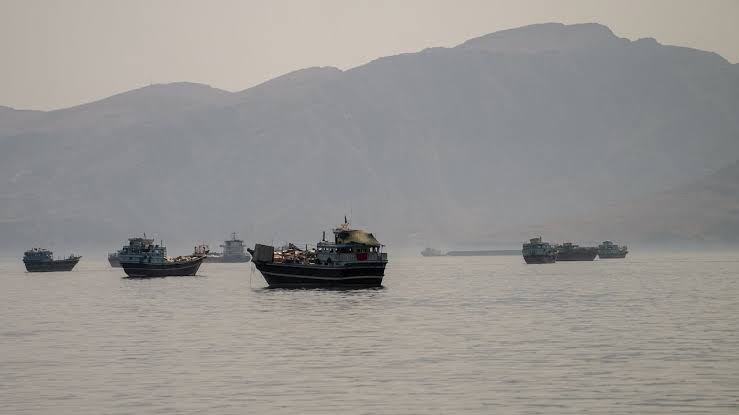
The Strait of Hormuz appears to be emerging as a new focus of tension between Iran and the US. Iran has indicated that any potential agreement to reopen the waterway could include restrictions on the movement of US Navy warships. This stance of Tehran is being considered a big step towards challenging the long-standing US military influence in the Gulf region.
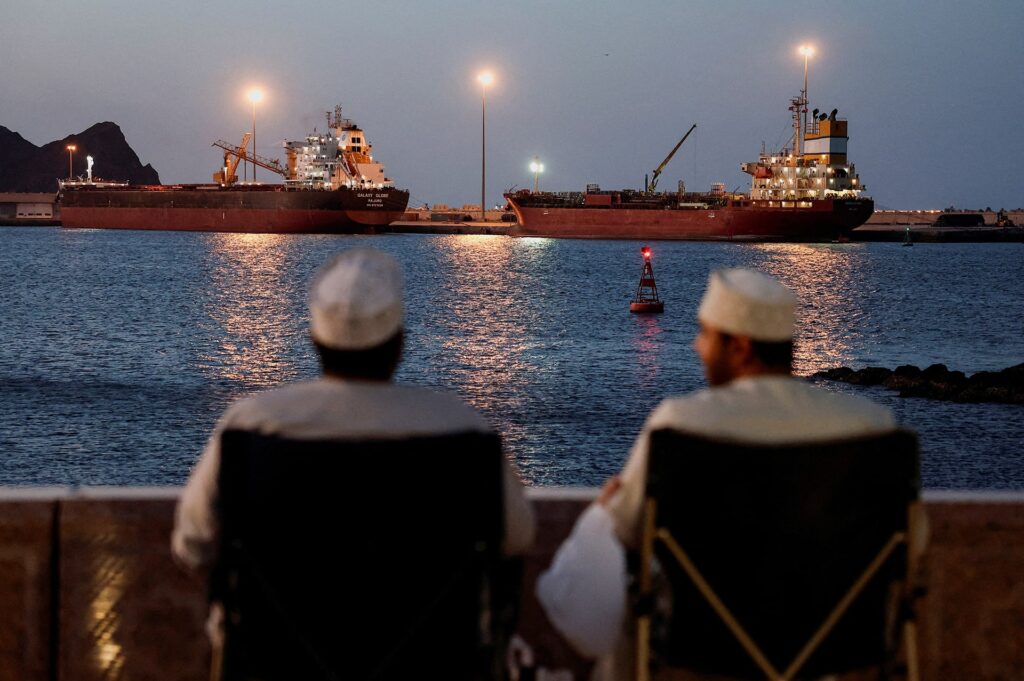
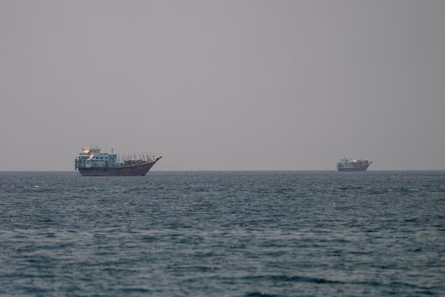
The Strait of Hormuz is one of the most important sea routes in the world. This route, connecting the Persian Gulf to the Gulf of Oman and further to the Arabian Sea, is crucial for global energy supply. Any disruption here could impact not only regional countries but also the international oil market and maritime trade.
Iran’s move to blockade US Navy ships comes at a time when diplomatic talks are being sought after a prolonged military conflict in the region. Tehran sees these talks not only as an agreement to open the Strait of Hormuz, but also as an opportunity to limit the US military presence in the Gulf.
Why did the US military presence become the biggest issue in Iran’s strategy?
Iran’s hardline factions have long opposed the US military presence in the Persian Gulf and wider West Asia. He believes that the role of external military powers in the security and political decisions of the region should be reduced. This idea has been around for some time in influential circles connected to Iran’s military and Islamic Revolutionary Guard Corps.
In the current situation, Tehran feels that the talks to reopen the Strait of Hormuz could give it an opportunity to pursue this long-standing demand. The demand to stop the movement of American warships is being considered a part of this strategy. If such an agreement is reached, it could impact the existing military arrangements in the Gulf region.
However, for the US too, the importance of the Strait of Hormuz is not limited to military presence alone. U.S. Navy deployments in the region have long been linked to maritime security, energy routes, and the protection of allies. Therefore, negotiations between the two sides on Iran’s demand will not be easy.
Why is the Strait of Hormuz so important?
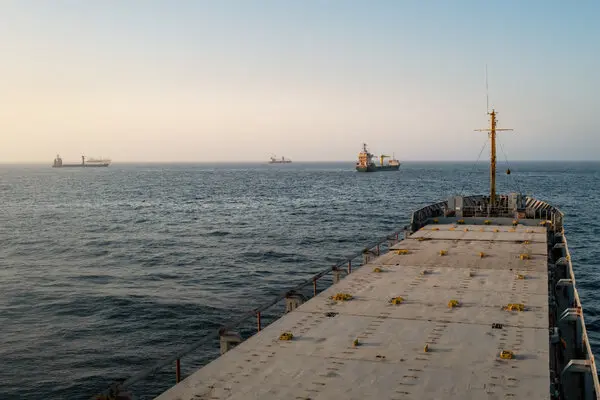
The Strait of Hormuz is a vital sea link between the Persian Gulf and the Arabian Sea. This route is very important for oil and gas coming from the world’s major energy producing countries. That is why any military or political tension arising here immediately attracts the attention of global markets.
Iran sees this geographical position as its strategic strength. Its influence over the strait gives it a key role in regional and international negotiations. This is why any announcement by Tehran regarding Hormuz is not seen as a mere local dispute.
If maritime traffic is affected, ship movements, energy supplies and insurance costs could be impacted. This is why many countries in Asia and Europe, including India, keep a close eye on the developments related to Hormuz.
What does Iran hope to achieve in post-war negotiations?
Iran has suffered heavy losses after a long military conflict. Despite this, Tehran now sees diplomatic talks as an opportunity to advance its strategic interests. The demand to limit the US military presence is considered part of this broader strategy.
Iran’s hardline leaders and factions affiliated with the Revolutionary Guard have long advocated challenging the United States as the dominant military power in the region. The current negotiations appear to offer them a way to advance this goal.
However, reaching an agreement will not be easy. Whether the US and its allies will be willing to step back from their interests regarding security arrangements and maritime presence in the Gulf could be the most difficult part of the negotiations.
Could the Hormuz Agreement alter the balance of power in the Gulf?
If Iran succeeds in including a condition limiting the movement of US warships in a comprehensive agreement, it could impact the strategic order in the Gulf region. This could call into question the US’s decades-long military role and grant Iran additional political leverage as a regional power.
On the other hand, for America, accepting such a condition would be considered a major change in its regional strategy. It has security ties with many Gulf countries, and the US naval presence has long been part of the regional security architecture. Therefore, the negotiations on Hormuz are no longer just a matter of a sea route between Iran and the US.
At present it is not clear what final agreement the talks will reach. But Iran’s current stance on Hormuz certainly indicates that Tehran is not only focused on ending the conflict in post-war diplomacy, but also wants to pursue its long-standing goal of limiting US influence in the region.