
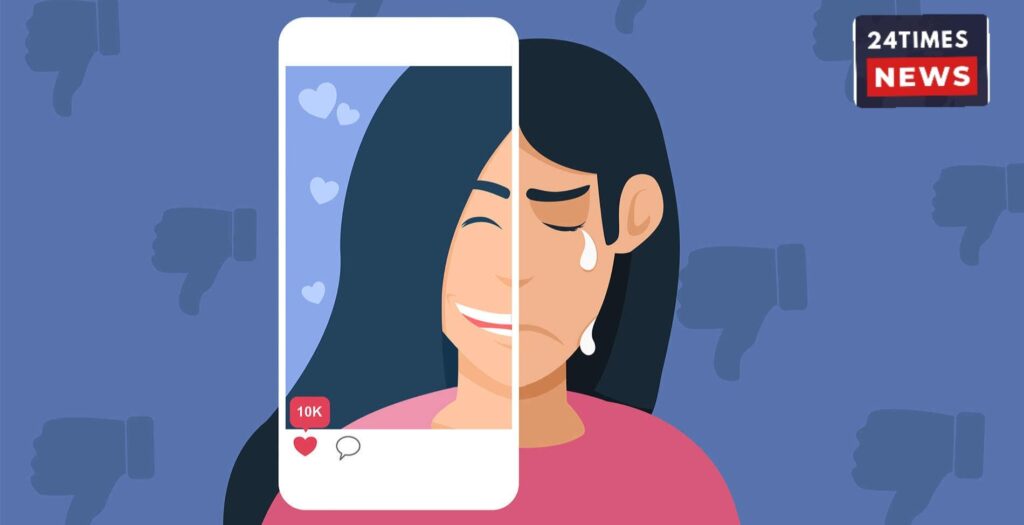
Social Media’s Impact on Mental Health: Is the online world affecting mental health?
In today’s time, social media’s impact on mental health has become a big topic of discussion. Experts are constantly trying to understand social media’s impact on mental health as its use has rapidly increased in the lives of youth and adolescents. Many studies have linked social media’s impact on mental health to stress, anxiety, and emotional well-being.
However, some believe that social media’s impact on mental health can vary from person to person. Amidst increasing screen time habits, the concern of parents and teachers regarding social media’s impact on mental health has also increased.
This is the reason why social media’s impact on mental health is not just an online trend but has become an important part of public health discussion.
Social media has given people an easy platform to stay connected, get information and express themselves. But mental health experts often express caution regarding its continued use. Long hours of scrolling, comparisons to others’ lives, online pressure, and unrealistic expectations can have an emotional impact on some people.
The desire for social validation among teenagers and youth is also considered a major reason. Likes, followers and comments often boost confidence, but when the response is not as expected, one may feel disappointment and insecurity. This is the reason why the discussion about mental health and social media is continuously increasing.
However, social media is not considered completely negative. Many people also find it a helpful platform for learning, support communities, and raising awareness. But it is considered important to maintain balance and understand screen habits.
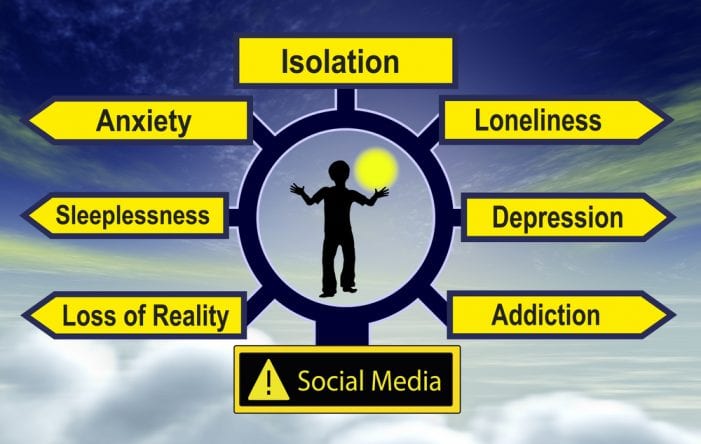
Effects of Social Media on Youth Mental Health: What impact can it have on youth?
- Comparison culture may increase
Many young people see the “perfect lives” of others on social media and start comparing their own lives, which can lead to low self-confidence.
- Anxiety and Stress
Some experts believe that the pressure of constantly being online can affect anxiety and stress levels.
3. Impact on Sleep Patterns
Late-night scrolling and excessive screen exposure can affect sleep quality, which can impact mood and energy levels.
- The Risk of Cyberbullying
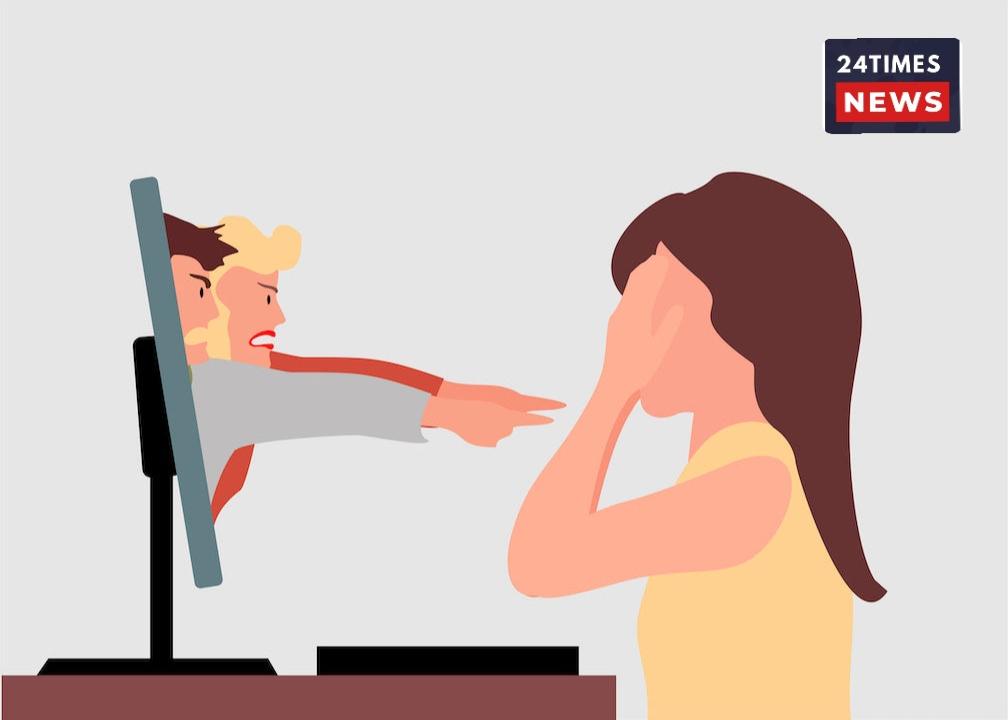
Online harassment and negative comments can affect the emotional well-being of some users.
- Changes in Attention Span
The habit of viewing short-form content can also affect concentration and focus.
- Positive support is also available.
Mental health communities, educational content, and awareness pages can also serve as a support system for many people.
Mental Health and Social Media: Can the impact be reduced by maintaining balance?
The effect of social media is not the same on every person. Some people consider it a source of motivation and learning, while for some it can become a cause of emotional pressure. That’s why experts often say that the problem is not just social media, but how it is being used is more important.
Adopting healthy digital habits is considered a practical start for many people. Some helpful steps include limiting screen time, avoiding toxic content, making time for offline activities, and talking to trusted people when needed.
Currently, discussions about social media’s impact on mental health are increasing rapidly. In such a situation, promoting awareness and balanced usage is considered very important, especially for the youth.
Apart from this, the desire for online validation is also considered a big factor. Many people start linking likes, comments and followers to their popularity or worth. If the response is not as expected, feelings like disappointment, loneliness or anxiety may arise. Although this doesn’t happen to everyone, the constant desire for social approval can cause mental pressure for some people.
However, social media does not have only negative sides. Many people use it to find mental health awareness, motivational content, support groups, and educational information. There are also many communities on such platforms where people share their experiences and feel emotional support. Many experts believe that if used correctly, social media can also be a useful tool for learning and connection.
Adopting healthy digital habits is considered a practical way to balance this effect.
Limiting screen time, turning off unnecessary notifications, avoiding toxic or negative content, and making time for offline hobbies can be helpful for some people. Physical activity, family time, and face-to-face interaction are also considered important for mental well-being.
Many psychologists also suggest that if you experience persistent stress, sadness, or anxiety after social media use, it may be helpful to talk to a trusted person, parent, teacher, or mental health professional. Understanding emotional struggles and seeking timely support can often help improve the situation.
Currently, the relationship between mental health and social media remains a subject of ongoing research and discussion. Social media can’t be considered entirely good or bad; its impact largely depends on how we use it. Therefore, awareness, balance, and mindful use are more important than ever in today’s digital era.