Table of Contents
What did PM Modi say about the NEET paper leak?
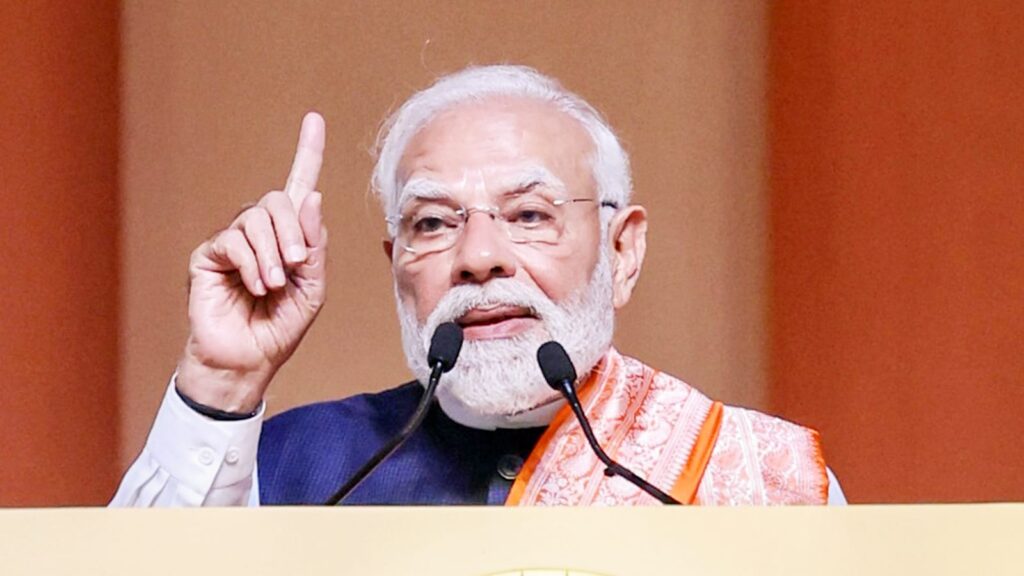
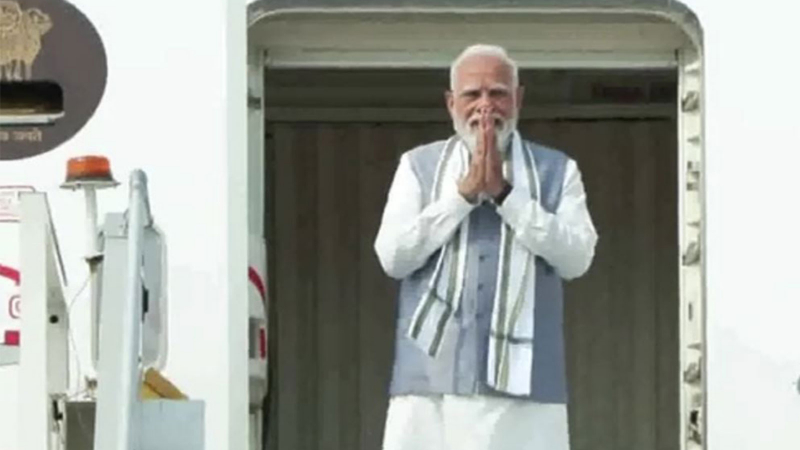
Amid the NEET paper leak controversy and the political questions raised after it, Prime Minister Narendra Modi said that the future of the youth should be the biggest priority. Describing the controversy related to NEET as a national issue, he appealed to the political parties to look at this matter above party politics.
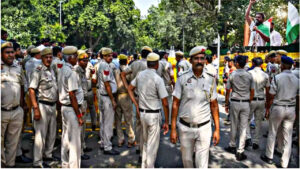
Protests intensified in the capital on Monday over the NEET paper leak and lack of accountability at the senior level. A large number of students and youth participated in the demonstration. After a confrontation between the protesters moving towards Parliament and the police, the police used lathi charge and tear gas to control the crowd.
The main demands of the protesters included the resignation of Union Education Minister Dharmendra Pradhan. Apart from this, they demanded discharge of Sonam Wangchuk from the hospital and compensation to the families of those NEET candidates who committed suicide after the decision to conduct the re-examination following the paper leak.
The NEET controversy has sparked debate across the country about the examination system, transparency and government accountability. Students and candidates say that incidents like paper leak have a direct impact on their future. Such irregularities cause serious concern for students who have been preparing for the exam for a long time.
Prime Minister Modi said that there is a need to rise above politics and seriously consider the issues related to the future of the youth. According to him, it is a big responsibility of the government and the system to maintain confidence in the examination system and provide fair opportunities to the youth.
At the same time, opposition parties are continuously raising questions on the government regarding the NEET controversy. The opposition alleges that there is a need to fix responsibility in the matter and ensure accountability at the senior level.
The NEET paper leak controversy is no longer just a matter of exam irregularities. It has become a national political issue related to the future of youth, credibility of the examination system and government accountability. At present, the Prime Minister’s appeal to ‘prioritize the future of youth’ and the protests in the capital have once again brought the NEET controversy to the centre of national debate.
What appeal did PM Modi make to the opposition on the NEET paper leak controversy?
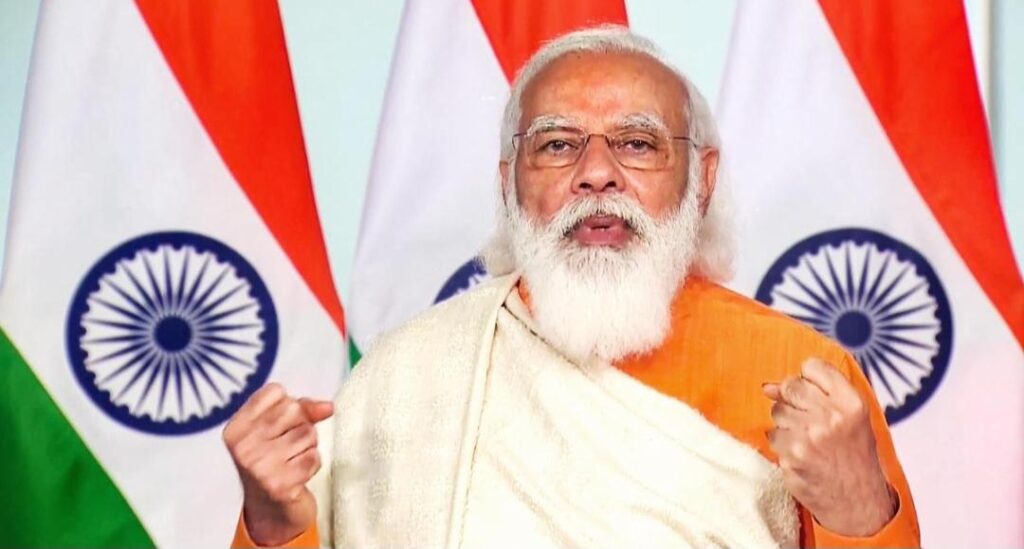
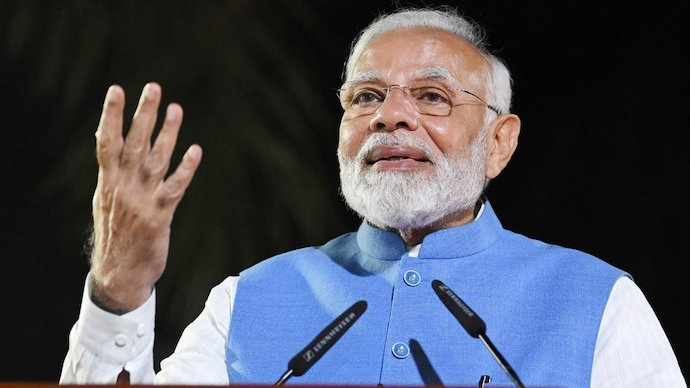
Regarding the NEET paper leak controversy, Prime Minister Narendra Modi appealed to political parties to rise above party politics and discuss the issue. He said that the future of the youth is more important than any political controversy and it is the responsibility of the government and the system to maintain confidence in the examination system.
After the NEET controversy, dissatisfaction has increased among students and candidates. Allegations of irregularities in the examination process have increased the concerns of lakhs of students. Many candidates say that they worked hard and prepared for years, but controversies like paper leak have raised questions about the fairness of the entire process.
The Prime Minister’s appeal comes at a time when the opposition is demanding accountability from the government at the senior level. Opposition parties say that action against only lower-level accused is not enough and the role of officials monitoring the examination system should also be investigated.
At the same time, the challenge for the government is to restore confidence among the students. For this, it will be important to make the examination system more transparent and secure as well as to fix responsibility in the matter.
What were the main demands of the protesters on NEET controversy?
The protesters raised several important demands regarding the NEET paper leak controversy. The students and youth involved in the protest demanded the resignation of Union Education Minister Dharmendra Pradhan. His argument was that accountability should be fixed at the senior level also for such a big irregularity in the examination system.
The protesters also demanded the discharge of Sonam Wangchuk from the hospital. Additionally, compensation was sought for the families of NEET candidates who committed suicide after the decision to conduct the re-examination following the paper leak.
These demands prevented the NEET controversy from being confined to questions related to the examination process alone. The debate has now shifted to the examination system, administrative accountability and the government’s responsibility towards the affected families.
A situation of conflict also arose between the police and the protesters during the demonstration in the capital. Police used lathicharge and tear gas to stop the protesters moving towards Parliament. It will now be important to see what action the government takes in response to the protesters’ demands and what reforms are made to restore confidence in the NEET examination system.
The NEET controversy poses a significant challenge for the government in terms of accountability and the examination system.
The NEET paper leak controversy has raised serious questions for the government regarding the credibility of the examination system and administrative accountability. For students and candidates, competitive exams decide the direction of their future. In such a situation, the impact of any kind of irregularity in the examination process is not limited to just one examination.
The protesters’ demand for accountability at senior levels has increased political pressure on the government. Apart from demanding the resignation of the Union Education Minister, the protesters also questioned at what level the responsibility should be fixed in such a system.
The biggest challenge before the government is to restore the confidence of the students. This will require an impartial investigation into the paper leak case, action against the culprits and making the examination process more secure.
At the same time, the government will also have to pay attention to the concerns of those families who have been affected due to the NEET controversy. The demand for compensation from the protesters has made the whole matter more sensitive.
What next, will the government have to take major steps on the NEET controversy?
After the NEET controversy, the government faces the challenge of taking action at many levels. First of all, it will be necessary to clarify how the paper was leaked, who were involved in it and where the mistake occurred in the examination process.
Additionally, technical and administrative improvements will be needed in the examination system to prevent such incidents in the future. The confidence of students can be restored only when they are confident that the examination process is transparent and fair.
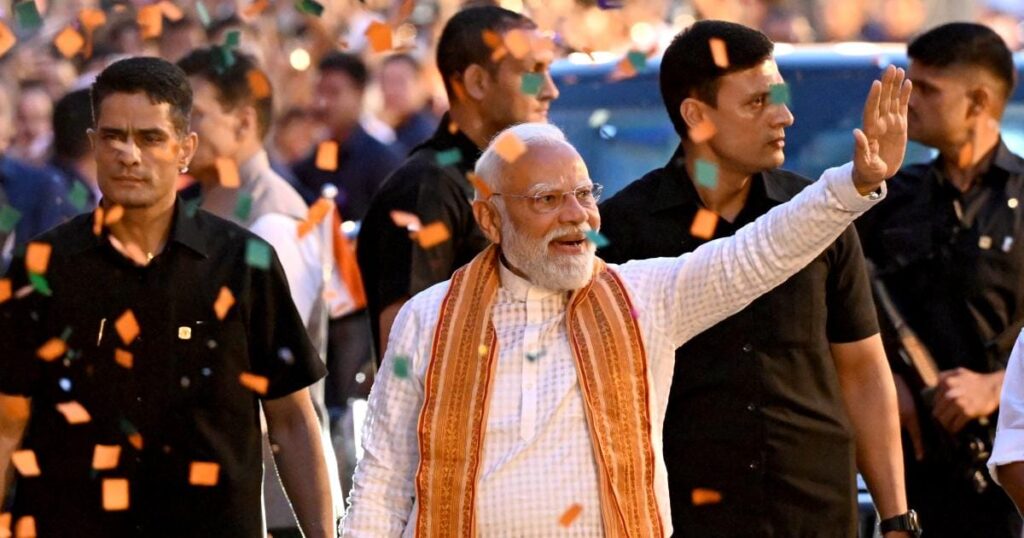
The opposition will continue to raise this issue in Parliament and political forums. The challenge for the government will be to move beyond political blame game and offer concrete solutions to the concerns of the students. Prime Minister Narendra Modi has appealed to give priority to the future of the youth. Now the biggest challenge for the government will be to convert this appeal into effective steps.
At present, the NEET controversy has sparked a major national debate regarding the country’s examination system, government accountability and the future of the youth. The investigation and government decisions in the coming days will determine which direction the resolution of this dispute moves.