New Delhi: The capital, Delhi, came to a standstill due to a foot march organised by the ‘Cockroach Janata Party’ (CJP). Traffic movement ground to a halt across several areas of the city. Clashes were reported between Delhi Police personnel and a crowd of young protesters marching towards Parliament. PM Narendra Modi broke his silence on the issue a day after the protesters’ march.
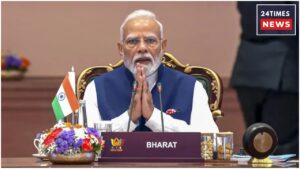
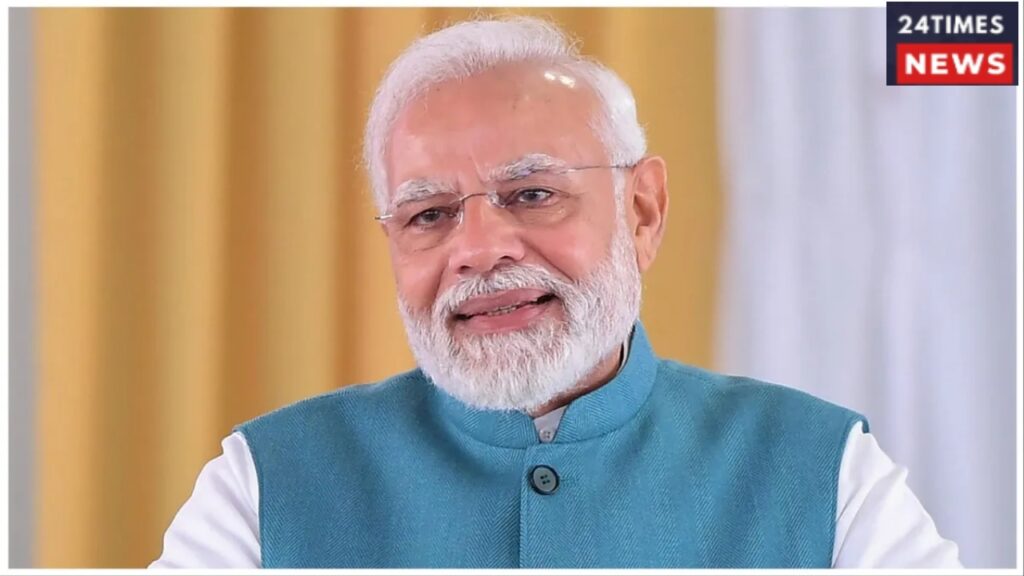
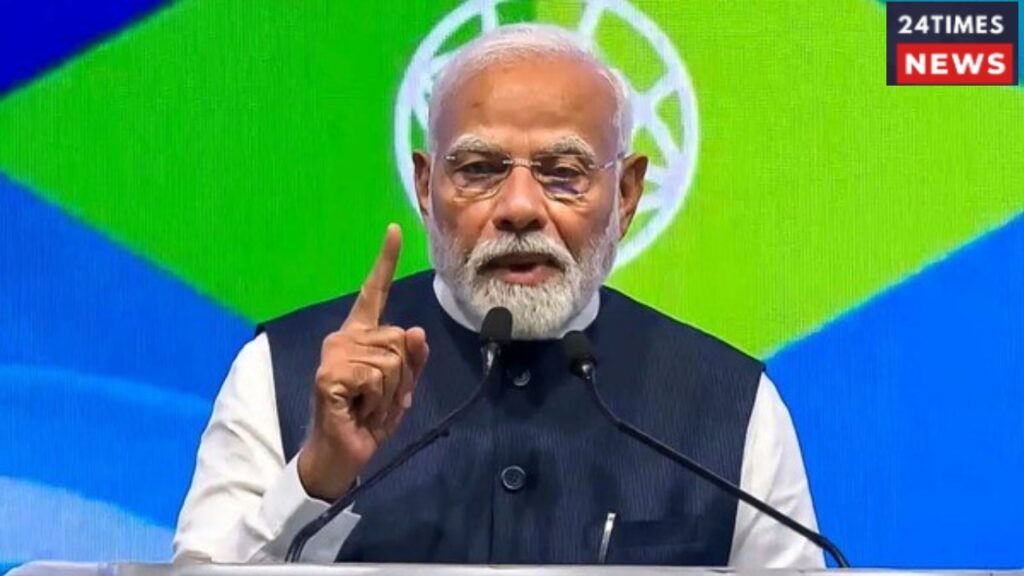
Speaking at an NDA parliamentary party meeting, PM Modi stated that the future of the youth would not be compromised under any circumstances. He assured that those guilty of the paper leak would face the strictest possible punishment. This marks the first time PM Modi has responded to the matter, amidst persistent pressure from the opposition. Today is the second day of the Monsoon Session of Parliament.
PM Modi’s Key Statement
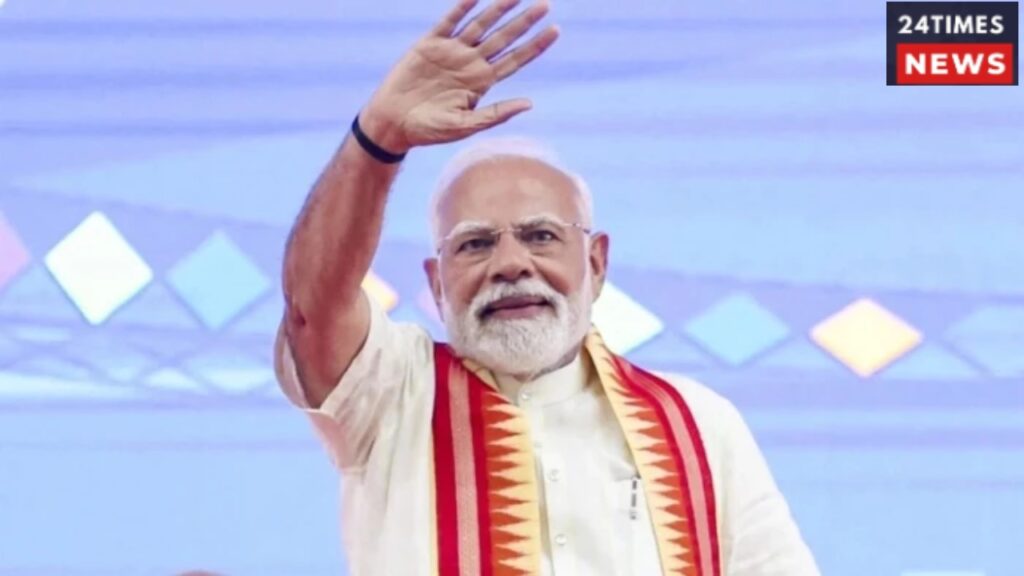
On Tuesday, PM Modi remarked that the NEET paper leak issue should not be politicised. He noted that a re-examination was conducted successfully to ensure the students’ futures were not jeopardised. He emphasised that the government took immediate action regarding the paper leak case.
He stated that the government is sensitive to the concerns of students. Modi further added that this is not solely a matter for the central government; collective unity is required to ensure the culprits are punished. He assured that measures would be put in place to prevent such incidents in the future.
First Statement Following CJP’s Parliament March
PM Modi’s statement follows the Parliament march organised by the ‘Cockroach Janata Party’ (CJP), which saw the participation of MPs from several political parties, including the Samajwadi Party. Visuals and videos showing violence during the march surfaced, after which the Delhi Police and RPF resorted to a lathi-charge. Tear gas shells were fired when protesters reached the vicinity of Parliament, and they were subsequently dispersed from the area.
Demands Submitted to JP Nadda
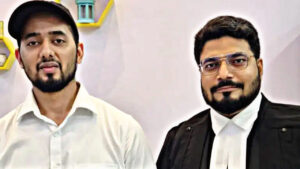
Representatives of the ‘Cockroach Janata Party’ (CJP), Saurav Das and Ashutosh Rakan, met with Union Health Minister JP Nadda. According to sources, two rounds of talks took place between the two sides. However, the central government has not yet given any specific assurance regarding the protesters’ demands. JP Nadda appealed to them to call off the sit-in and cooperate with the administration in restoring normalcy.
During the discussion, JP Nadda asked what their demands were; in response, the representatives submitted a list of their demands. Nadda told them that if they wanted the government to consider their demands, they would need to submit a written memorandum. Subsequently, at around 4 PM, the CJP representatives submitted a written memorandum detailing their demands to the Union Minister.