
Table of Contents
How to Get Relief from Itching Scalp: Easy Ways to Get Relief from Itchy Scalp
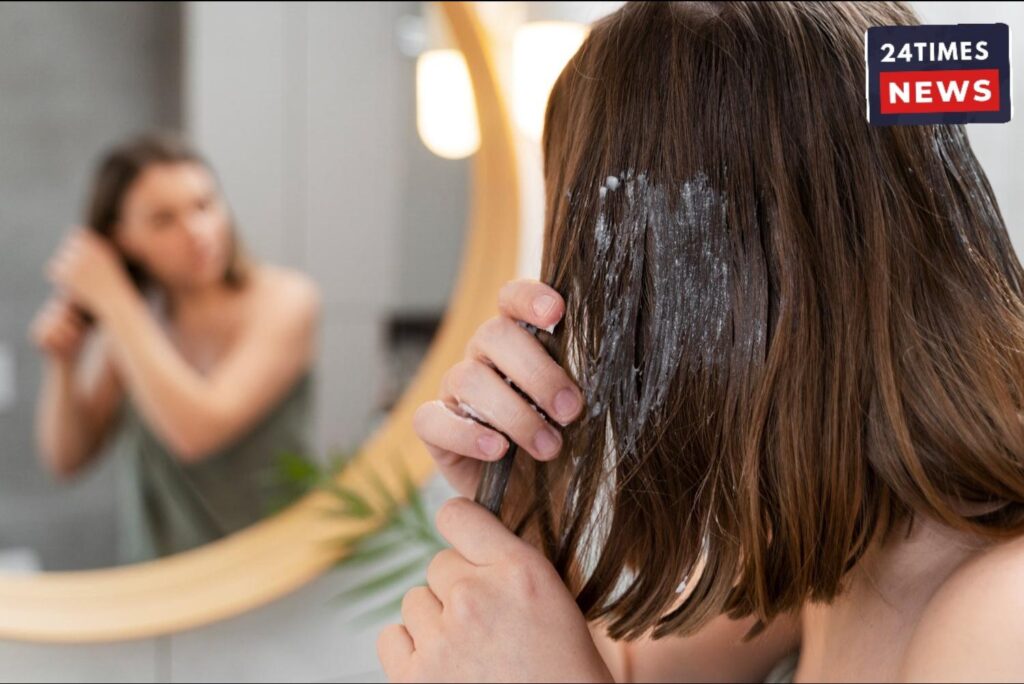
Itchy scalp is a common problem, but when it persists, it can cause discomfort, stress, and other hair-related problems. Many people face the problem of itching due to changing weather, dandruff, excessive sweating, pollution, allergies, wrong hair products or scalp infection.
An itchy scalp isn’t just a minor annoyance. Frequent head scratching can lead to scalp inflammation, redness, and even hair breakage or loss. If its cause is understood in time and proper care is taken, then this problem can be relieved to a great extent.
Dandruff is considered to be the most common cause of scalp itching. Dandruff causes layers of dead skin to build up, which can increase itching. Apart from this, many people become allergic to hair dye, shampoo or other hair products, due to which the scalp becomes sensitive.
In some cases, itching can also be caused by extremely dry skin. Washing hair in winter or with very hot water can reduce the scalp’s natural oils, leaving the skin dry and itchy.
Regular cleansing, a balanced diet, and a proper hair care routine are essential for a healthy scalp. Drinking enough water, eating nutritious food, and keeping the scalp clean can help reduce itching.
If the itching persists for a long time, lesions form on the scalp or excessive hair loss occurs, a dermatologist should be consulted. Identifying the correct cause is the first step towards proper treatment.

9 Effective Ways to Relieve Itchy Scalp
- Use Anti-Dandruff Shampoo
If dandruff is the cause of the itching, using an anti-dandruff shampoo prescribed by your doctor may be beneficial.
- Keep your scalp clean
Dirt, sweat, and excess oil can aggravate scalp problems. Regular hair washing is essential.
- Avoid very hot water
Hot water can strip the scalp of its natural oils and increase itching.
- Massage with coconut oil
Coconut oil has moisturizing properties that can soothe a dry scalp.
- Avoid products that cause allergies
If itching increases after using a new shampoo, hair color, or hair spray, stop using it.
- Drink enough water
Hydration is important for the health of both skin and scalp.
- Eat a balanced diet
Foods rich in omega-3 fatty acids, iron, zinc, and vitamins help maintain a healthy scalp.
- Reduce Stress
Stress can aggravate many skin and hair problems, including scalp itching.
- Consult a doctor
If the problem persists, it’s important to consult a dermatologist.
What causes scalp itching?
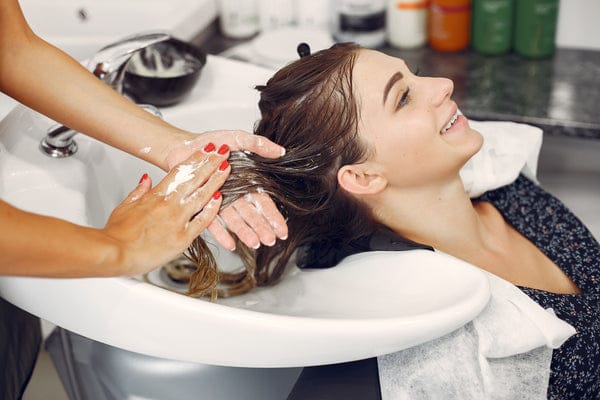
Itchy scalp can be caused by many different reasons. Dandruff is one of the most common causes, but it is not the only one. Dry skin, fungal infections, psoriasis, eczema, and allergic reactions can also cause itching.
Sometimes the chemicals in hair care products can sensitize the scalp, leading to redness, irritation, and itching. In some people, excessive sweating and dirt accumulated on the scalp can also aggravate the problem. If itching is accompanied by pain, sores, rashes or excessive hair fall, it should not be ignored. This could be a sign of a serious skin problem.
Daily care tips to prevent scalp itching
Some simple habits can be adopted to maintain a healthy scalp. First of all, pay attention to the cleanliness of your hair and scalp. Wash your hair regularly but avoid excessive shampooing.
Do not keep wet hair tied for a long time, as this can increase the risk of fungal infection. Avoid sharing personal items like hairbrushes and towels with others.
A balanced diet and adequate sleep also play an important role in scalp health. Additionally, protection from sunlight, dust, and pollution is also essential.
When should you consult a doctor, and why is proper treatment essential?
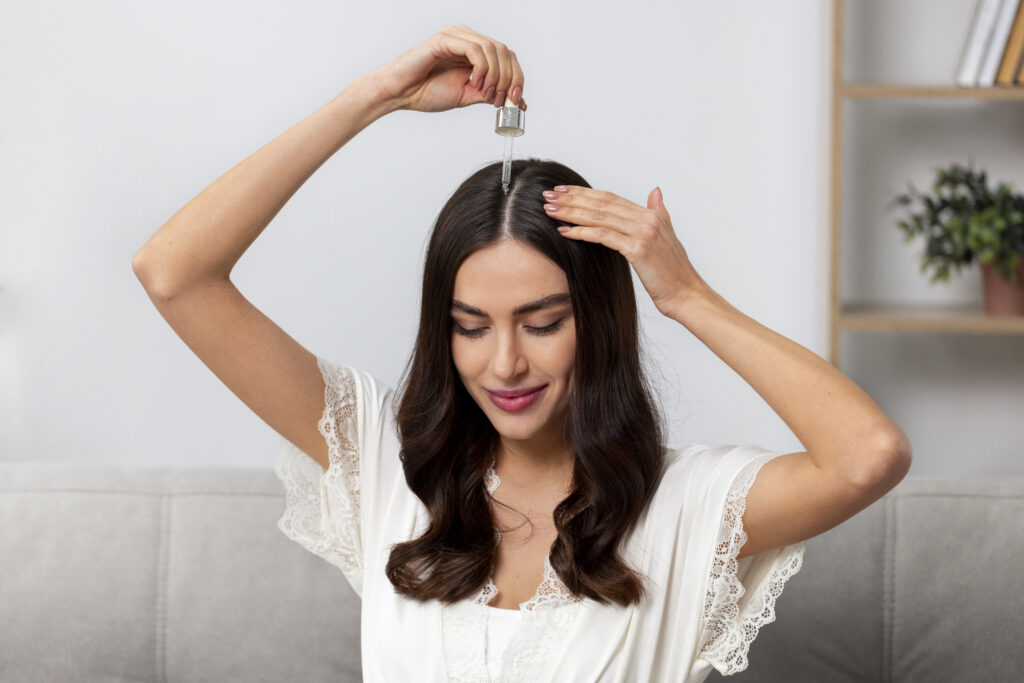
In most cases, scalp itching can be controlled with home care and a proper hair care routine, but in some circumstances, medical advice becomes necessary. If the itching persists for several weeks or keeps recurring, it could indicate an underlying issue.
If you notice red rashes, sores, pus, swelling, or excessive dandruff on the scalp, a professional examination is required. Similarly, if hair is falling rapidly along with itching, then the doctor can identify the cause and suggest appropriate treatment.
A dermatologist can examine the scalp if necessary and determine whether the problem is due to dandruff, a fungal infection, allergies, psoriasis, or another skin condition. The most effective treatment is possible only after a correct diagnosis.
Many people ignore itching for a long time, considering it normal. This may further aggravate the problem. Repeated scratching can damage the scalp and increase the risk of infection.
Remember that healthy hair starts with a healthy scalp. If you are experiencing persistent itching, burning or discomfort, do not delay in seeking expert advice. Timely treatment can not only relieve itching but also improve the long-term health of your hair and scalp.