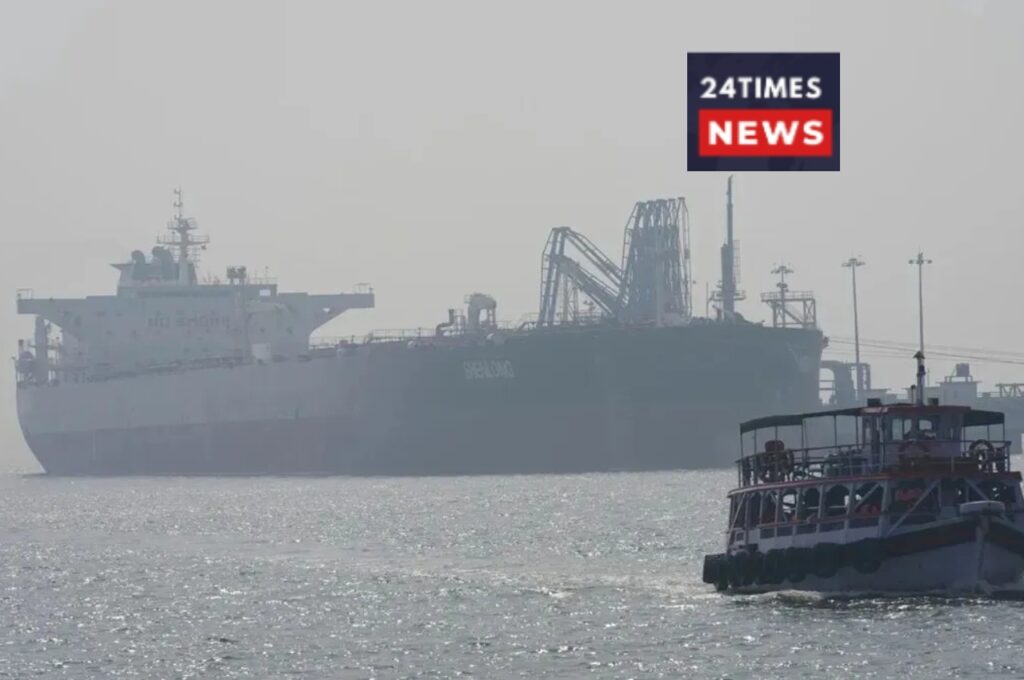
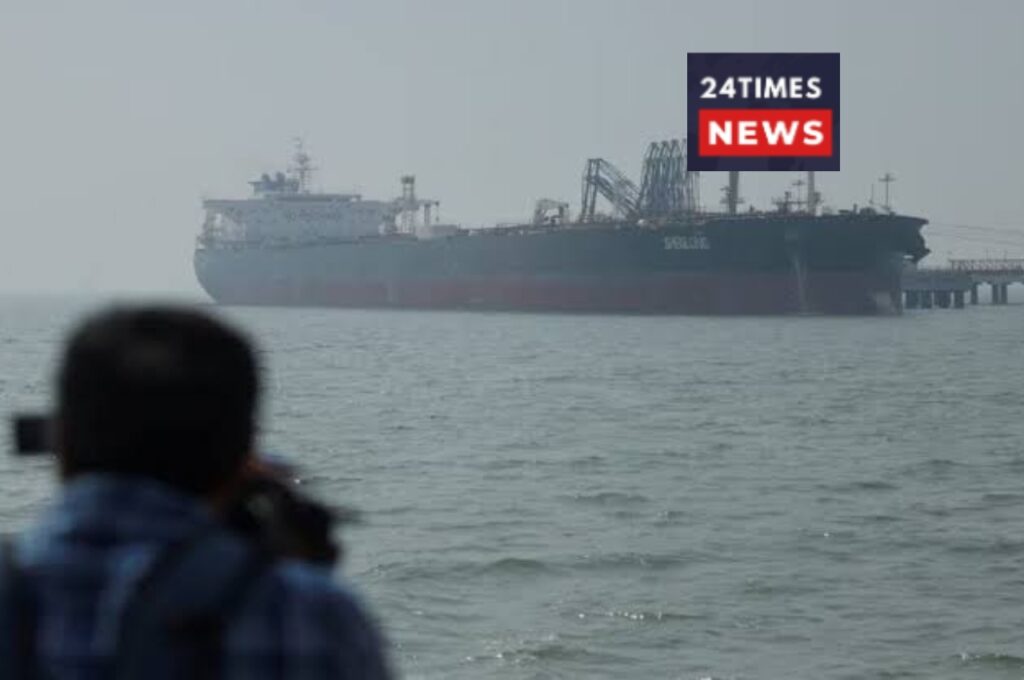
New Delhi: Following the easing of tensions between the US and Iran, markets in the Middle East are showing signs of renewed activity, and global inflation appears to be coming under control. However, Iran has delivered a significant blow regarding the Strait of Hormuz, one of the world’s most vital maritime trade routes,s by announcing that a “service fee” will now be charged to ships passing through the strait.
Iran has officially approved this measure. This move is seen as an economic setback for many nations, including India. Previously, following US-Israel attacks, Iran had completely shut down this route, causing a spike in global inflation that impacted the pockets of ordinary citizens.
Announcement by the Iranian Ambassador in China
The Iranian ambassador made this major announcement during the World Peace Forum in Beijing. He stated that a new system is being devised for the movement of ships through the Strait of Hormuz, with Iran collaborating with Oman on the initiative. This statement comes at a time when the US has already expressed opposition to Iran’s policy of levying such charges.
Two-Month Exemption from Fees
Following the recent de-escalation of tensions between the US and Iran, commercial vessels were granted permission to pass through the Strait of Hormuz without paying fees for a period of 60 days. The new rule is set to take effect once this 60-day grace period expires; however, no official details regarding the specifics have been released yet.
Service Fee Instead of Toll
Meanwhile, Iranian Ambassador Abdolreza Rahmani Fazli explained that a significant portion of the Strait of Hormuz falls within Iranian territory, making it entirely justifiable to charge a service fee to passing ships. He emphasised that they would certainly implement the service fee, noting that it should not be viewed merely as a “toll tax.
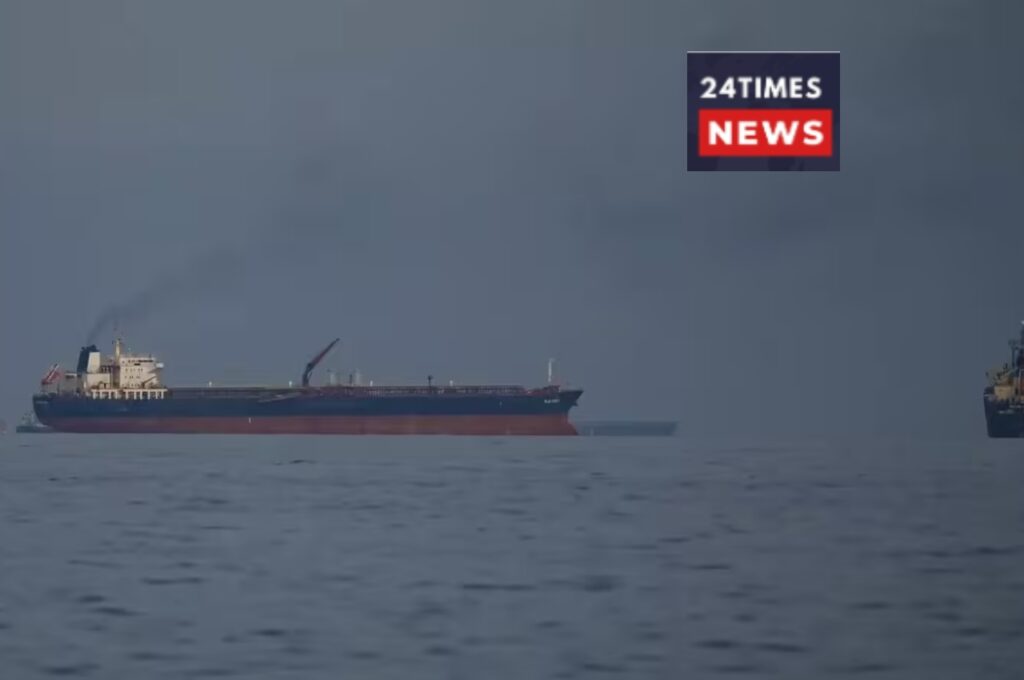
According to the Iranian ambassador, the fee is intended to cover the costs of ensuring safe passage and facilitating smoother maritime traffic for the vessels. Apart from this, measures are also being considered to address environmental impacts caused by heavy maritime traffic.
Will friendly nations receive exemptions?
According to Iran’s ambassador, countries that stood by them during recent conflicts will be granted special exemptions under the new regulations. He stated that special arrangements would be made for those who supported them during difficult times.
A vital route for the oil trade
It is worth noting that the Strait of Hormuz is considered the world’s most important maritime route. Most ships pass through this channel. According to a report, 20 per cent of the global oil trade takes place via this route.
Approximately 20 per cent of the world’s crude oil and liquefied natural gas exports pass through this passage. When tensions flared in the Middle East recently, the potential disruption of this route raised the threat of an oil crisis for many nations, leading to a rise in petrol and diesel prices.