
Table of Contents
El Nino Effect: The Center’s Concerns Grow Regarding 111 Districts With Poor Irrigation Systems, Agriculture and Water Security Could Be at Risk
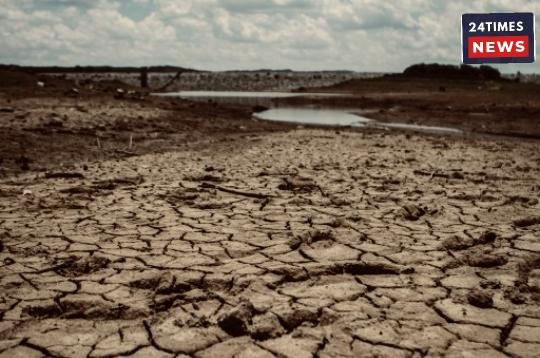
The central government’s concerns regarding the El Nino Effect in India appear to be growing. According to the latest assessment by the government, 315 districts in the country have been identified as vulnerable to climate-related risks, while 111 districts in 12 states are of special concern. Due to lack of irrigation facilities and heavy dependence on rainfall in these districts, the impact of El Nino Effect can be more severe.
Experts believe that the El Nino Effect can affect the intensity and distribution of monsoons, increasing the risk of impact on agricultural production, water availability and the rural economy. The Central Government has also acknowledged that during the El Nino Effect, there is a higher risk of crop loss in areas with weak irrigation systems. For this reason, emphasis is being laid on advance preparation and relief plans by identifying the potential areas affected by the El Nino Effect.
According to government data, drought-like conditions can develop quickly in districts where irrigation infrastructure is limited and agriculture is primarily rain-fed. This is why the administration has kept these areas on the priority monitoring list.
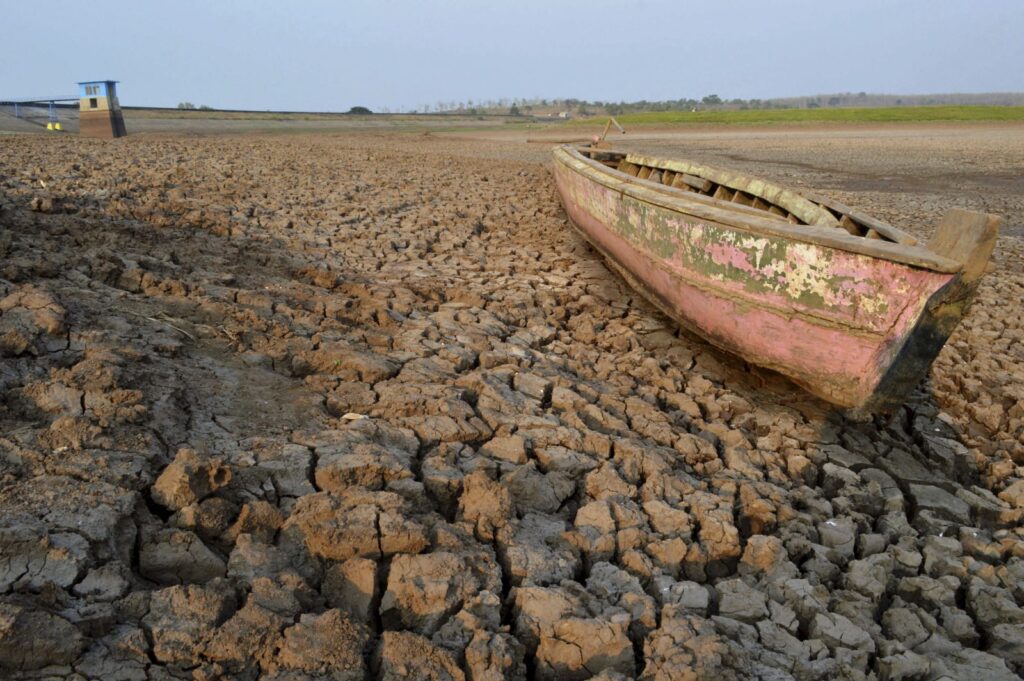
Key reasons why these 111 districts have become a primary concern for the Center
- Weak irrigation infrastructure
A large amount of agricultural land in these districts still depends on rain-fed agriculture.
- Excessive dependence on the monsoon
If rainfall is less than normal, both farmers’ income and production can be affected.
- Increasing pressure on water resources
Low rainfall is likely to increase pressure on groundwater and reservoirs.
- Potential decline in agricultural production
Yields of rice, pulses, oilseeds, and other major crops may be affected.
- Impact on the Rural Economy
Employment and income in agriculture-based sectors may also be affected.
What is El Nino and why is its impact important for India? El Nino is a global climate phenomenon caused by abnormally warm surface waters of the Pacific Ocean. Its impact is not limited to marine areas but can affect the weather patterns of different parts of the world.
El Nino is of special significance in the Indian context because it is often associated with weak monsoon or uneven rainfall distribution. Although not every El Nino year has the same consequences, historically it has affected the monsoon on several occasions.
According to experts, a weak monsoon has the greatest impact on areas where irrigation facilities are limited. If there is not enough rainfall, crop production may be affected due to farmers lacking alternative water sources.
It is against this backdrop that 315 sensitive districts and 111 high priority districts have been identified by the Central Government. The objective is to make advance preparations in areas of potential risk and provide necessary assistance to farmers.
Climate experts believe that in the era of changing weather patterns and climate change, depending solely on monsoon will not be enough. Strengthening irrigation infrastructure, water conservation and drought management schemes is becoming the need of the future.
The agriculture sector is an important part of India’s economy and the livelihood of millions of people is linked to it. In such a situation, the impact of El Nino is not limited to agriculture but can also affect food security, rural markets and overall economic activities.
Government Preparedness and Potential Strategies
The central and state governments are continuously monitoring the situation in potentially vulnerable districts. Experts suggest that promoting water conservation, micro irrigation, drip and sprinkler techniques can prove effective in such areas.
Apart from this, crop diversification, use of drought tolerant seeds and providing timely weather information to farmers are also included in important strategies.
The government aims to ensure that even if the monsoon is below normal, its impact on farmers and rural communities is minimized.
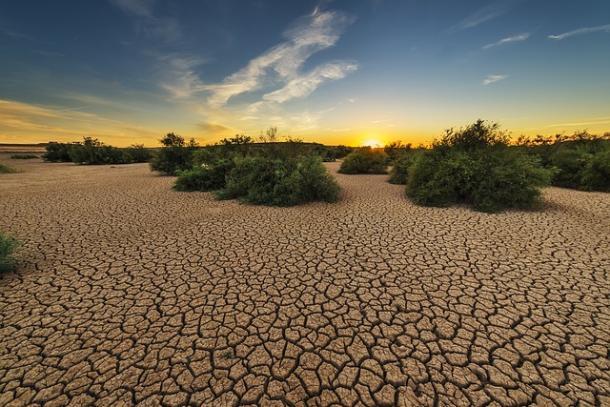
What are the big signs for agriculture, water security and rural India?
The identification of 111 districts indicates that India will need more long-term strategies for water and agriculture management in the future. Experts believe that emergency relief measures alone will not be enough; For a permanent solution, expansion of irrigation network and water conservation will have to be given priority.
The situation in these districts also shows that climate risk is no longer just an environmental issue but also an economic and social challenge. It will be necessary to take timely steps to ensure stability in rural areas and protect the income of farmers.
Preparedness is the best protection against El Nino.
The central government’s identification of 111 districts as priority areas of concern is being seen as a significant warning. This indicates that the need for advance planning and robust infrastructure to tackle climate challenges is greater than ever before.
If irrigation facilities are expanded, water conservation and scientific agricultural practices are promoted, the damage caused by weather effects like El Nino can be reduced to a great extent. The monsoon conditions and government preparedness in the coming months will determine the actual impact on these vulnerable districts. Ultimately, better water management and agricultural resilience can make India more resilient to future climate challenges.