

CNG prices rise again in Delhi-NCR, the second increase in two days has caused concern for residents.
The rise in CNG prices in Delhi-NCR has once again increased the concerns of the general public. After the price hike for the second consecutive day, the price of CNG has crossed ₹80 per kg in the capital Delhi. The continuous increase in the last two days is likely to have a direct impact on lakhs of people who use CNG vehicles daily. This impact is particularly felt by auto drivers, taxi drivers, cab operators, and commuters commuting to work.
Changes in fuel prices always directly affect the life of the common man. Although CNG has long been considered a cheaper and environmentally friendly option compared to petrol and diesel, frequent price hikes have caused concern. Many drivers say that the gap between the cost of CNG and conventional fuels is gradually narrowing.
A large number of people in Delhi and the surrounding areas use CNG in private and commercial vehicles. In such a situation, even a small increase in prices can affect the monthly budget of millions of families. Many say that inflation is already a burden, and now fuel prices could further increase the financial burden.
Auto and taxi drivers say that a major part of their earnings is now being spent on fuel. He believes that if prices continue to rise like this, there may be a need to increase fares, which will also affect common passengers.

How will the rising CNG prices affect drivers and the general public?
The biggest impact of the increase in CNG prices is on those who travel long distances daily. Thousands of people in Delhi-NCR travel daily for work, education, and business. Consequently, the rising fuel prices are bound to increase daily expenses.
Auto drivers say that problems like traffic, increasing competition and low earnings already exist. Now, fuel prices may make it even more difficult for them to save money. Some drivers say they feel the need to increase fares, but fear that doing so will reduce ridership.
Cab drivers also have similar concerns. Many drivers say that the fares offered by app-based taxi services are not as profitable as before. Consequently, the ever-rising CNG prices could further impact their earnings.
This increase can also become a matter of concern for middle-class families. Many families purchased CNG vehicles to avoid rising petrol and diesel prices. But now they are starting to feel that the expenses are gradually increasing. Some vehicle owners say that the monthly running expenses have increased significantly compared to earlier.
Economic experts say that the impact of rising fuel prices is not limited to vehicle drivers only. When transportation becomes expensive, the cost of goods can also increase. This may also affect the prices of vegetables, food items and daily use goods.
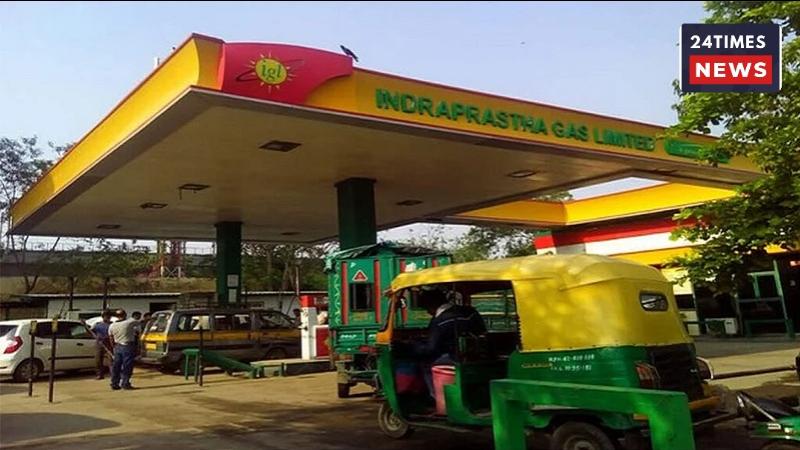
What is the reason for the price increase and what could be the situation in future?
Energy sector experts say that CNG prices are affected by many factors. International gas prices, import costs, taxes, and distribution costs play a role. When energy prices change globally, their impact can also be seen in the domestic market.
Experts believe that if the pressure in the international market continues, further changes in prices may be seen in the coming times. However, the government and related companies review prices periodically.
Some experts say that the government should consider relief measures at such a time, especially for those who depend on CNG vehicles for their livelihood. Auto and taxi unions have also been raising demands for relief or subsidies from time to time.
Meanwhile, there is concern among the common people that if fuel prices continue to rise, the impact of inflation may be felt more. Many are hoping that a relief decision may be made in the coming days to keep prices stable.
Currently, the price of CNG in Delhi-NCR has crossed ₹80 per kg, which has increased both concern and discussion among the people. Motorists, ordinary travellers, and small businesses are all keeping an eye on whether there will be any further changes in prices in the coming days. The second increase in two consecutive days has made it clear that fuel-related expenses are now becoming a major part of people’s household budgets.