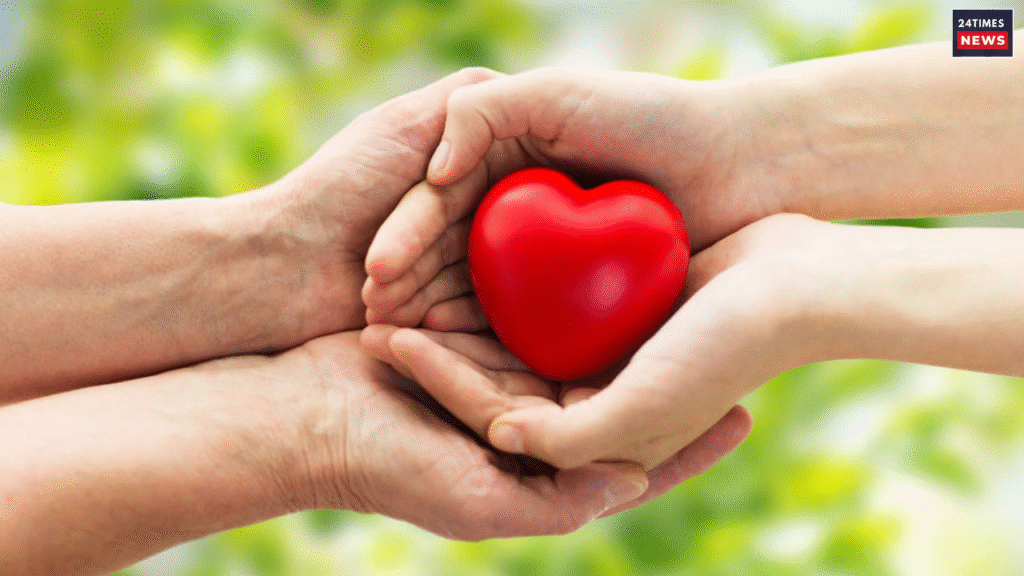
High blood pressure can greatly increase the risk of a heart attack. When blood pressure stays high for a long time, it puts extra strain on the arteries and slowly damages them. This damage allows fat and cholesterol to build up inside the blood vessels, making them narrow over time. As the arteries become blocked, less blood and oxygen can reach the heart. This forces the heart to work harder and increases the chances of serious heart problems. If the blockage becomes severe, it can stop blood flow to the heart and trigger a heart attack.
Table of Contents
Symptoms Should never be ignored
Certain symptoms should never be ignored, especially if they appear suddenly. These include chest pain or a feeling of tightness in the chest, shortness of breath, extreme tiredness, dizziness, a fast heartbeat, headaches, and heavy sweating. Many people think heart-related pain stays only in the chest, but that is not always the case. The discomfort can also spread to the jaw, neck, shoulders, back, or left arm. If you notice any of these warning signs, it is important to seek medical help as soon as possible. Early attention can make a big difference and help prevent a serious heart emergency.
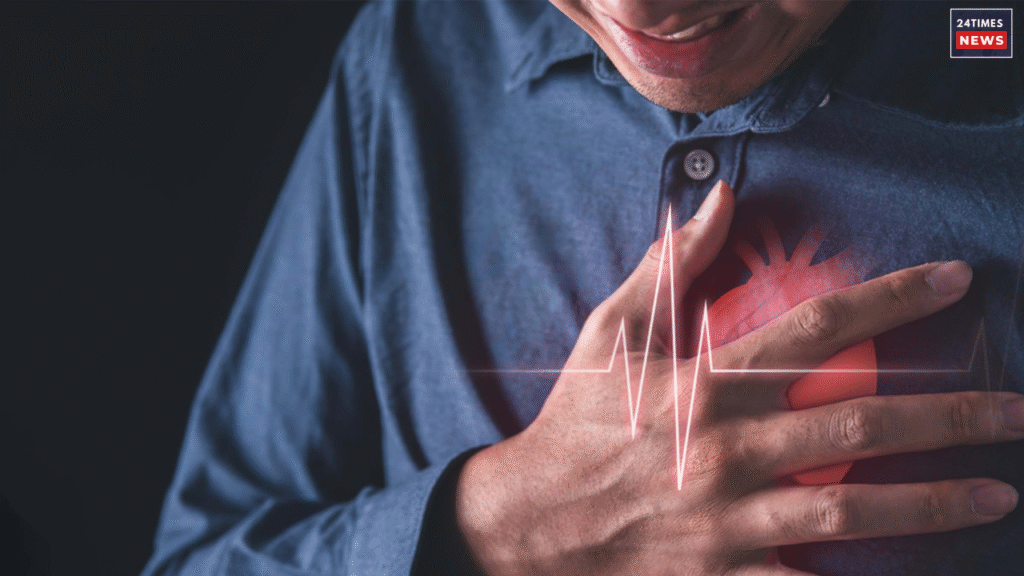
Heart Attack Symptoms
Heart attack symptoms are not always the same for everyone. In women and older adults, the warning signs can be less obvious. Instead of severe chest pain, they may feel unusually weak, nauseous, restless, short of breath, or experience discomfort that feels like indigestion. Because these symptoms often seem minor, many people ignore them or mistake them for other health issues. However, doing so can be risky, as early treatment is important during a heart attack.
Steps to take
The risk of a heart attack becomes even higher when high blood pressure is combined with other health issues such as diabetes, obesity, smoking, chronic stress, or an unhealthy diet. These factors can put extra strain on the heart and blood vessels over time. To lower the risk, it is important to monitor blood pressure regularly, follow a balanced diet, limit salt intake, exercise daily, and manage stress in a healthy way.
If you suddenly feel pressure or tightness in your chest, have trouble breathing, experience extreme weakness, or notice unusual restlessness, do not ignore these symptoms. They could be warning signs of a serious heart problem. Seeking medical help without delay is important, as early diagnosis and treatment can greatly reduce the risk of complications. Recognizing the signs in time can play a key role in preventing a heart attack and protecting your overall health.