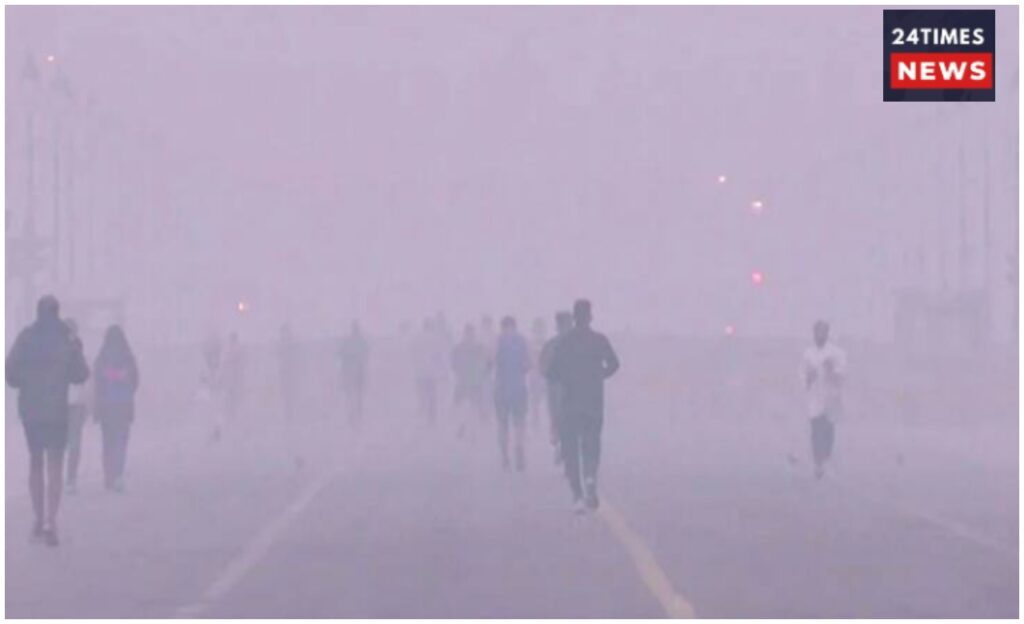
New Delhi: With the onset of winter, air pollution levels are rising across various parts of Delhi-NCR. The toxic air has created a health crisis, making it difficult for people to breathe. This is largely attributed to the burning of stubble (crop residue) in Punjab and Haryana. Air quality is expected to deteriorate further due to the smoke generated by firecrackers during Diwali.
On Friday, air quality in 43 cities across the country reached dangerous levels. The Air Quality Index (AQI) has climbed to 1069 in Bathinda (Punjab) and 1003 in Panipat (Haryana), making these the most polluted cities in the country. Several other cities in Uttar Pradesh and Haryana are also recording AQI levels in the dangerous range.
Pollution levels in these cities have reached critical stages.
According to data from the Central Pollution Control Board, Bathinda tops the list of the country’s most polluted cities with an AQI of 1069. Panipat follows in second place with an AQI of 1003, posing a severe threat to public health. Meerut, in Uttar Pradesh, ranks third with an AQI of 961.
In Haryana, Sirsa recorded an AQI of 938, Sonipat 917, and Rohtak 847. In Uttar Pradesh, Hapur recorded an AQI of 899, Ghaziabad 844, and Noida 824. Meanwhile, Faridabad in Haryana ranks tenth with an AQI of 821. These figures indicate that the top 10 most polluted cities include five from Haryana and four from Uttar Pradesh.
A breathing crisis in Delhi-NCR.
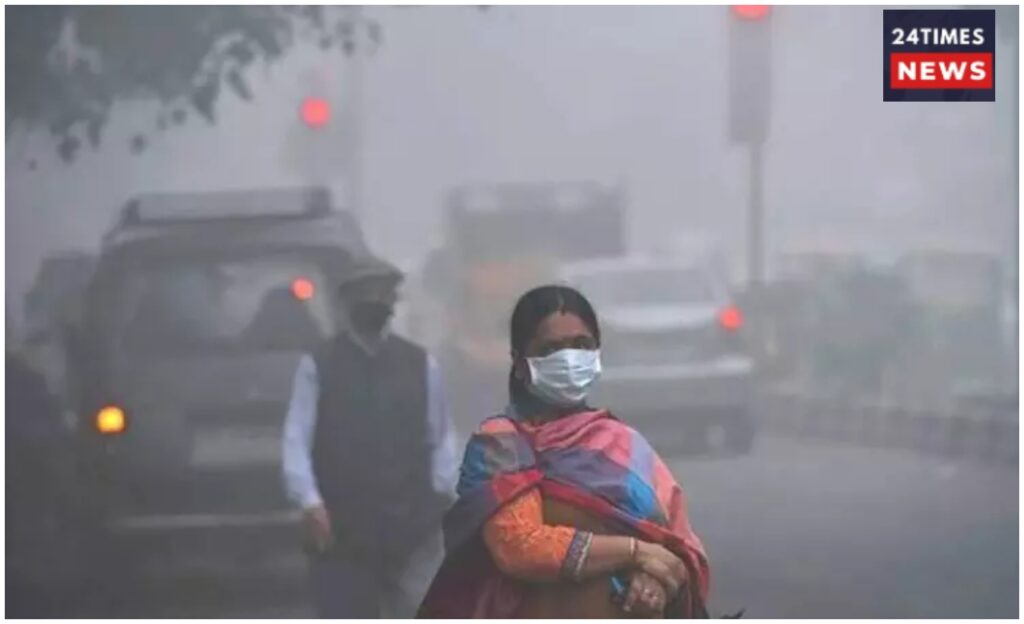
In Delhi-NCR, the rising Air Quality Index has created an emergency-like situation, severely impacting people’s ability to breathe. Due to the toxic air, people have begun wearing masks. The Air Quality Index (AQI) reached 795 in Greater Noida, 729 in New Delhi, and 647 in Gurugram. This level of pollution has become a serious cause for concern regarding public health.
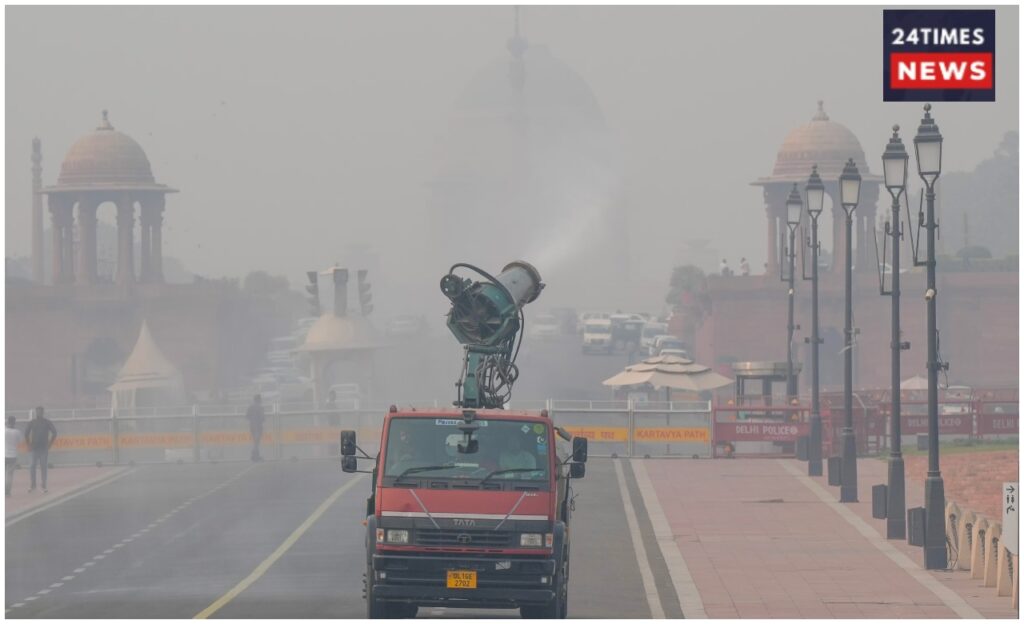
Prolonged exposure to such high levels of pollution can lead to respiratory problems and may exacerbate existing health conditions. The elderly and children are expected to be the most severely affected by the toxic air. In light of this situation, the administration has implemented the second phase of the Graded Response Action Plan (GRAP) in Delhi-NCR.
Major steps to be taken for improvement
The government is set to take measures to address the deteriorating air quality in Delhi-NCR. These include increased cleaning of roads and the sprinkling of water. Directives have also been issued to raise parking fees for private vehicles and to improve public transport services.
Meanwhile, the Delhi Metro has introduced 20 additional train trips on weekdays. Furthermore, it has been suggested that the working hours for government offices be staggered to help reduce traffic congestion.