
Table of Contents
Yamuna Water Quality Improves in August Due to Increased Monsoon Flow
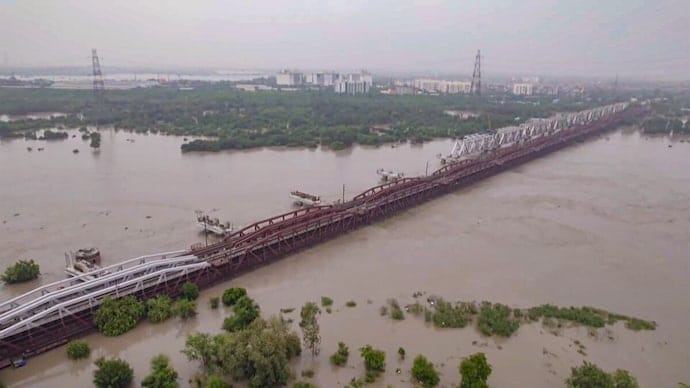
Yamuna Water Quality in Delhi Improved in August Compared to July. According to the latest monthly assessment of the Delhi Pollution Control Committee (DPCC), the impact of pollutants was somewhat reduced due to increased water flow in the river during the monsoon. The increased water flow diluted the pollutants present in the river to some extent.
Every month, DPCC collects water samples from different parts of Yamuna and checks its quality. In this, major parameters like BOD, dissolved oxygen and fecal coliform are observed. In July also, some places recorded slight improvement, but the pollution level remained well above the prescribed limit at many places.
The August report certainly indicates that monsoon water has provided temporary relief to the river. However, this cannot be considered a permanent clean-up of the Yamuna, as sources of pollution still exist.
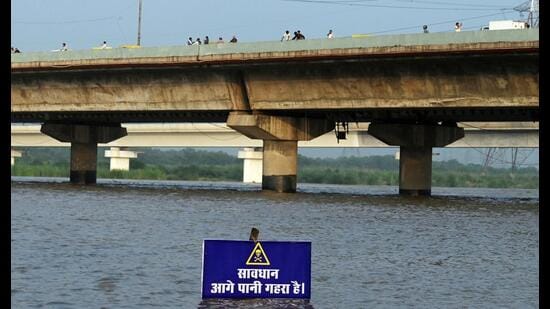
Monsoon rains increase river flow.
Increased river water volume during the monsoon can reduce pollutant concentrations. For this reason, some key pollution indicators of Yamuna showed improvement in August compared to July.
Rain and increased water flow help carry polluted water accumulated in the river. This may make the water quality appear better for a short time. The same effect was also seen in the DPCC assessment of August.
However, if sewage and other dirty water from polluted drains continues to flow into the river after the monsoon ends, the pollution level may increase again. Therefore, depending solely on monsoon flow is not a permanent solution.
Fecal coliform levels also showed improvement.
The August assessment also showed some improvement in pollution indicators such as fecal coliform levels. Fecal coliform levels are considered important to understand the status of sewage and faecal pollution in the river.
The increased water volume during monsoon can reduce the concentration of these pollutants. However, this does not mean that the river water has become safe or completely clean.
Previous assessments by DPCC had also revealed that despite reduction in faecal coliform at some locations, BOD and other pollution parameters remained a matter of concern.
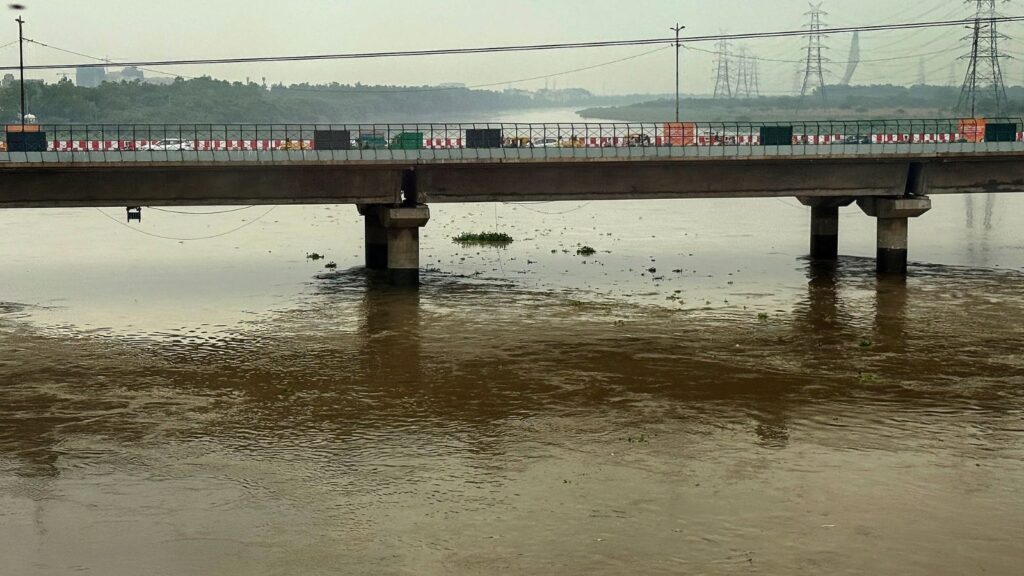
Despite improvement, pollution levels remain above the standard in many areas.
The Yamuna River’s condition improved during August, but water quality in many areas still falls short of the prescribed standards. This means that the pollution problem in the river has not been completely resolved.
Data from just one month is not enough to understand the condition of the river. Many factors such as water flow, weather, sewage discharge and industrial pollution affect its results.
Therefore, the improvement recorded in August is being seen as a positive but temporary change. Long-term improvement will require continuous control of pollution sources.
Sewage and sewer pollution remain a major challenge.
A major cause of pollution in the Yamuna is untreated sewage. Monsoon water may dilute pollutants, but it does not eliminate the original source of sewage.
While monitoring the Yamuna in Delhi, pollution coming from different places and drains is also monitored. The DPCC reports assess the condition of the river through parameters like BOD, DO and faecal coliform.
Therefore, along with the relief provided during monsoon, it is also important to stop sewage treatment and pollution from drains entering the river. Only these measures can bring about permanent improvement in the quality of the river.
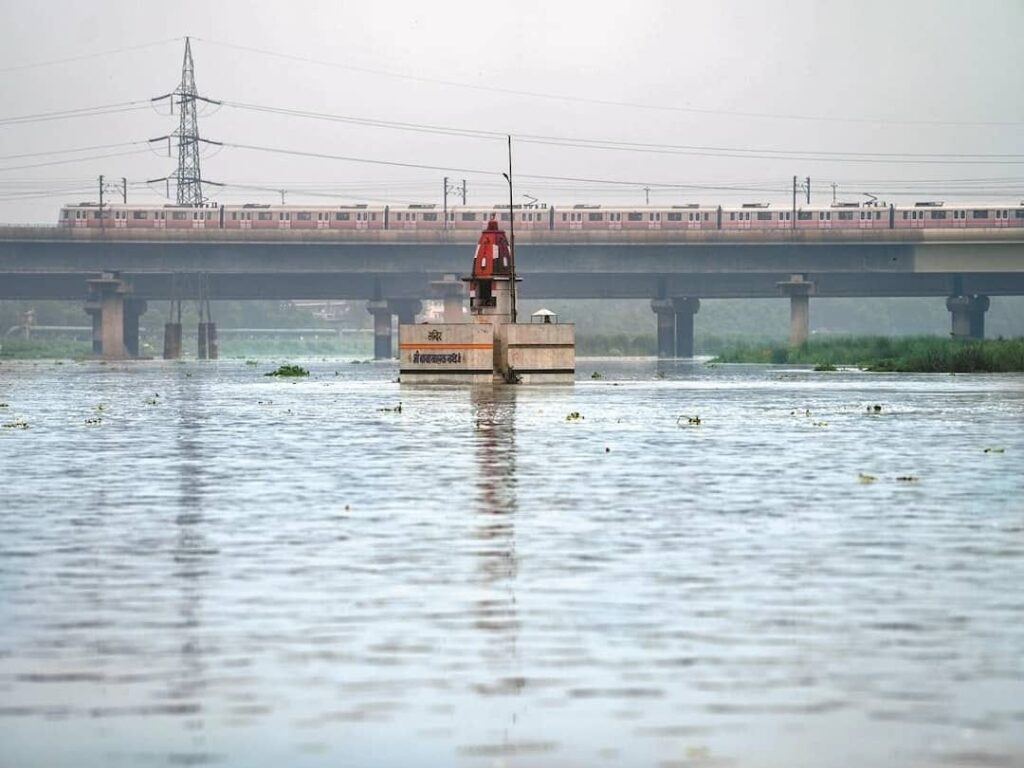
Even after the monsoon’s respite, permanent cleanup is needed.
August data suggests that some improvement in the Yamuna’s water quality is possible due to increased water flow. But after the monsoon, when the flow of water in the river decreases, the concentration of pollutants may increase again.
According to experts, Yamuna cannot be cleaned by natural dilution alone. Steps like sewage treatment, control of industrial waste and monitoring of drains flowing into the river will have to be continued.
Plans are also underway at different levels for the revival of Yamuna in Delhi. In such a situation, the monthly data of DPCC will help in understanding in which direction the condition of the river goes after the monsoon.
The actual condition of the Yamuna will be clear from data in the coming months.
The improvement in the Yamuna’s water quality in August is a welcome relief for the capital, but it would be premature to consider this a permanent change. Monsoonal flows have played a role in reducing pollution concentrations, while many of the original sources of pollution still exist.
Now the DPCC reports of September and the coming months will be important. The actual state of improvement can be better assessed by observing the level of water quality after the monsoon weakens and the water flow in the river decreases.
To keep the Yamuna clean in the long run, continuous work on sewage management, pollution control and regular monitoring will be necessary instead of seasonal relief. The August figures do give a temporary positive signal at the moment.