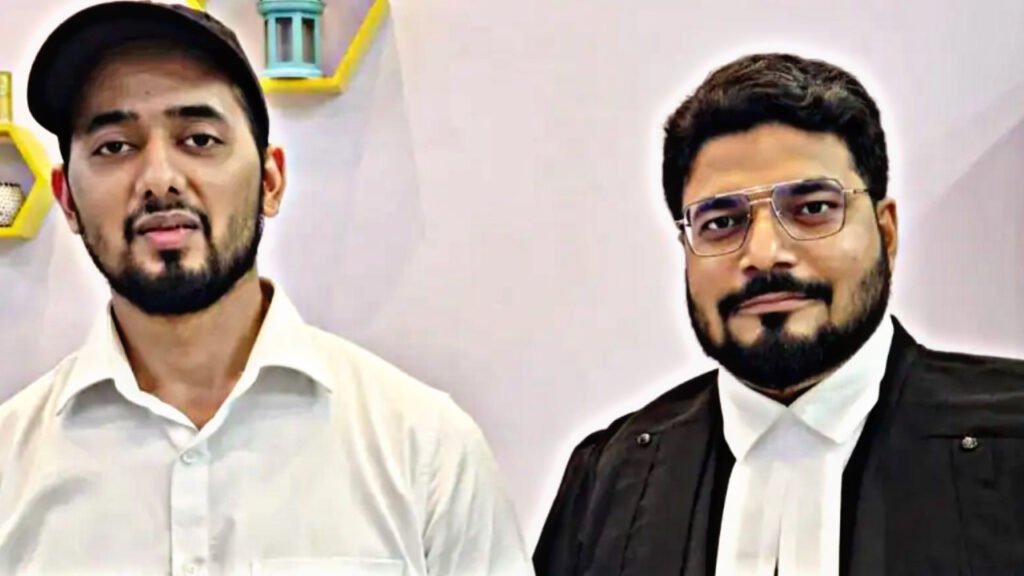
The Allahabad High Court has made a significant observation in a case related to religious conversion. The court considered aspects related to a person’s religious freedom and the right to adopt a religion of their choice. Ayush stated in court that he embraced Islam based on his own free will and decision. He made this clear to the court that he had not made this decision under any pressure, inducement, or coercion; he had done so voluntarily.
After the case came before the court, the process of religious conversion and the legal aspects surrounding it were discussed. The petition argued that Ayush had been brainwashed and forced to convert to Islam, but in court, Ayush himself stated that he had embraced Islam of his own free will.
Following this statement, the court conducted a hearing based on the facts and available documents.
The court also faced the important question of how an adult’s personal choice and religious freedom should be viewed. Ayush is an adult, so he has the freedom to live his life how he wants.
The Indian Constitution grants citizens the right to freedom of religion. Under Article 25 of the Constitution, every person is guaranteed freedom of conscience and the right to profess, practice, and propagate religion. According to this Constitution, Ayush also has the full right to choose his religion of his choice.
In cases of religious conversion, courts often examine whether the person is an adult. Ayush is an adult in this case, having made the decision of his own free will. Ayush also stated in court that he embraced Islam of his own free will, without any pressure, fraud, or undue influence. In such cases, the individual’s independent statement is also considered important.
In this case, the Allahabad High Court heard arguments from the parties regarding the individual’s free will. The court delivered its verdict after considering the case record and the facts presented. The decision is considered significant in the context of matters related to freedom of religion and personal choice.