New Delhi: US President Donald Trump remains a subject of global discussion due to his tariff policies as he enters his second term. While Iran poses a challenge to the US, he is also keeping a close watch on the Russia-Ukraine war. Meanwhile, passing the bill that imposes new sanctions, which would affect Trump, through the House of Representatives could prove difficult.
If this holds, India could be spared the 100% tariff on crude oil imports from Russia. Overall, this would benefit India’s oil trade. According to a Bloomberg report, the bill, which has already passed the US Senate with a massive majority, is now facing growing opposition in the House of Representatives and is expected to stall until the November elections. Lawmakers from both political parties are concerned about the bill; they fear the legislation could grant Trump sweeping powers to impose tariffs.
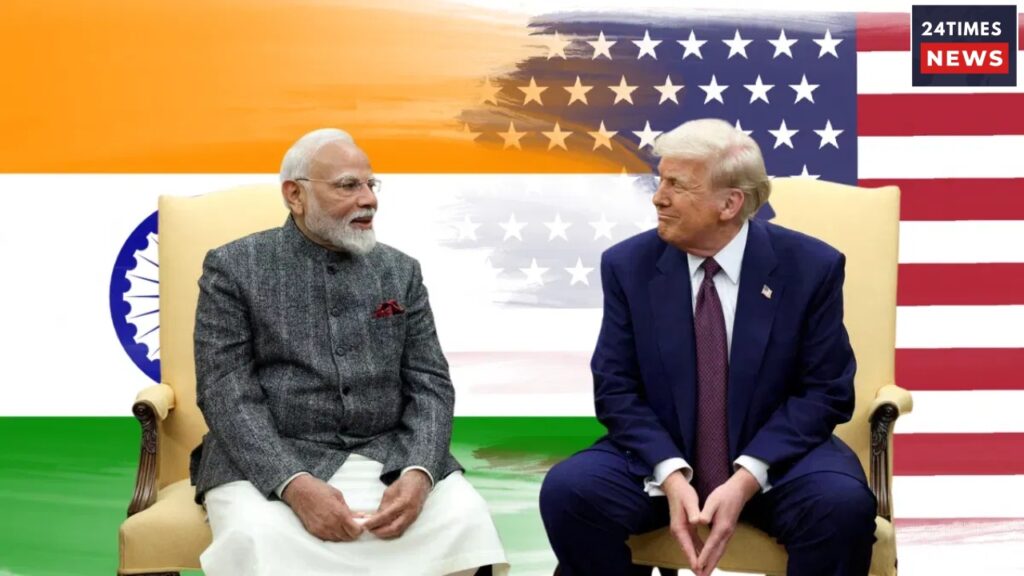
What is the bill regarding sanctions on Russia?
Did you know that this bill imposing sanctions on Russia was introduced by the late South Carolina Senator Lindsey Graham? Graham was a staunch supporter of Ukraine. Under the proposed legislation, Trump could be granted the authority to impose tariffs of up to 100% on the five largest importers of Russian crude oil and natural gas, as well as on the five major nations that assist Russia in evading energy sanctions.
Currently, China, India, and Turkey are among the largest buyers of Russian petroleum products. US lawmakers who support Ukraine view this bill as a means to maintain pressure on Russia and demonstrate American support for Ukraine. However, it remains unclear whether Trump would actually exercise these additional powers if granted—particularly regarding China.
Bill passed with an 86-11 vote.
Notably, the US Senate approved this bill last month with an overwhelming majority of 86 votes to 11. This strong support was also viewed as a tribute to Lindsey Graham from his fellow senators. Graham had passed away suddenly shortly after returning from a trip to Ukraine in July. However, the bill is not receiving the same level of strong endorsement in the House of Representatives as it did in the Senate.
House Speaker Mike Johnson indicated on Thursday that the bill might not even be brought to the floor for a vote before the midterm congressional elections scheduled for November 3. A key reason for this is that lawmakers have limited days to conduct business in Washington over the next two months.
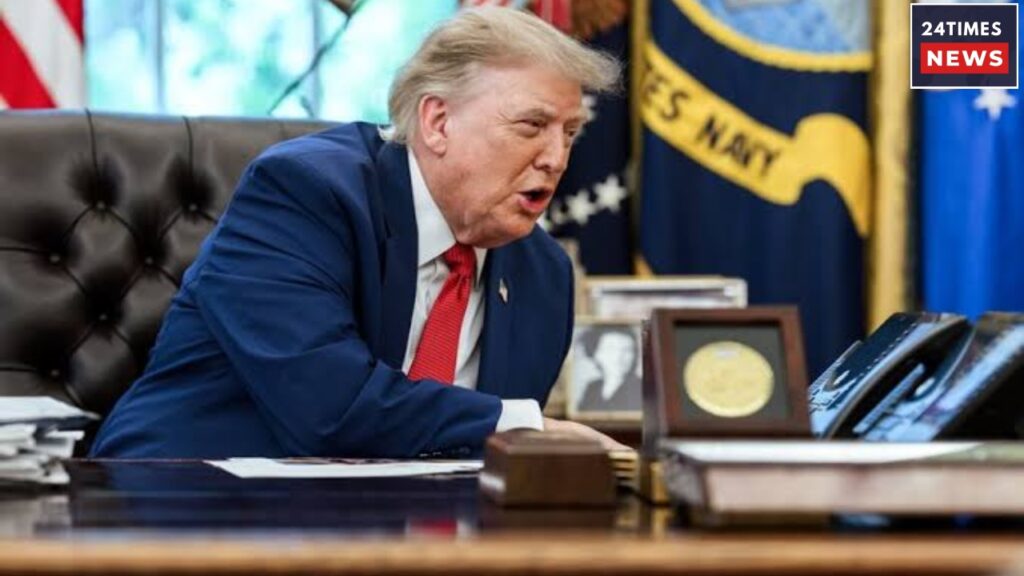
Focus Remains on US Oil Prices
House Foreign Affairs Committee Chairman Brian Mast has shared significant information, noting that lawmakers are also assessing the potential impact of the bill on gas prices. According to Mast, a Republican representative from Florida, forcing India and other nations that purchase crude oil from Russia to source oil from alternative suppliers could drive up oil prices.
Gasoline prices in the US have risen sharply following the conflict involving Iran. This issue could pose a political challenge for the Republican Party ahead of the November midterm elections, as the party seeks to retain its majority in Congress.