Table of Contents
India rejects Hague Court’s decision on Indus Waters Treaty
India has refused to accept the Hague Court’s decision regarding the Indus Waters Treaty. The government has clarified that the court did not have jurisdiction in this matter. India says that its position on the Treaty has always been clear and in the current circumstances, the action initiated by Pakistan cannot be accepted.
India’s stance comes in the backdrop of heightened tensions between the two countries following the April 22 Pahalgam terror attack that killed 26 people. After this, India took several tough steps against Pakistan, which also included suspending the Indus Waters Treaty.
Regarding the decision of the Hague Court, India has said that it does not recognize any such process which is not considered to be in accordance with the existing conditions of the Treaty and its rights. The government’s latest statement also highlights the significance of the water treaty issue amidst the ongoing tensions between India and Pakistan.
India took several steps after the Pahalgam attack.
The terrorist attack in Pahalgam on April 22nd once again brought relations between India and Pakistan to a state of serious tension. 26 people lost their lives in the attack. After this, the Indian government decided to take several strict steps against Pakistan.
These decisions also included the suspension of the Indus Waters Treaty. This agreement determines the rights related to the use and sharing of river water between India and Pakistan. Therefore, India’s decision regarding the Treaty was considered an important development in the relations between the two countries.
India has argued that the water agreement cannot be pursued as it would in normal circumstances amid terrorism and cross-border activities. Subsequently, the controversy surrounding the Treaty also attracted international attention.
India raises questions about the court’s jurisdiction
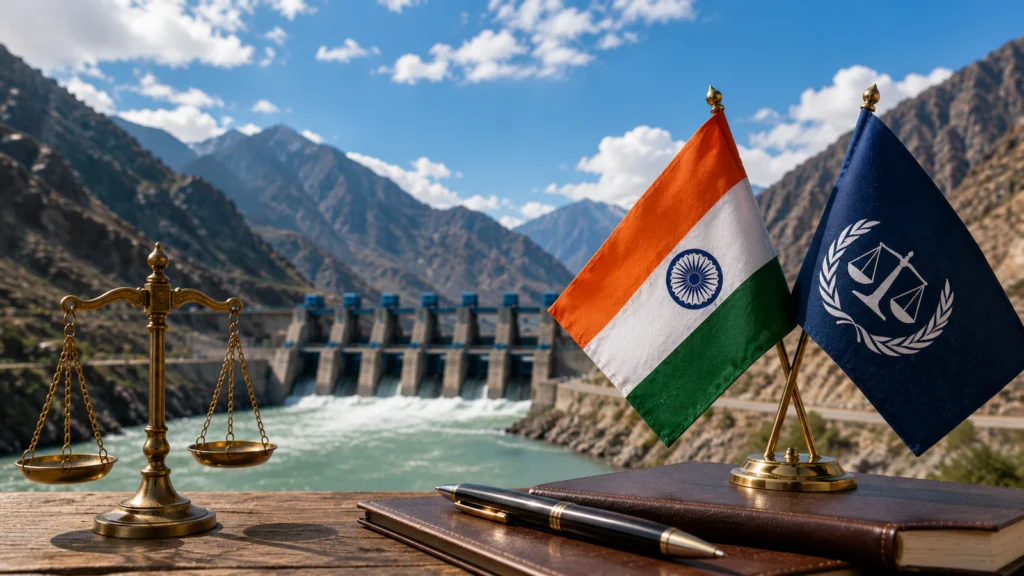
India’s biggest question regarding the Hague Court’s procedures is its jurisdiction. The government says that the court had no jurisdiction to hear this dispute. On this basis, India has refused to accept the decision.
India’s objection is not limited to the conclusions of the judgment, but also to the process through which the case reached the court. The government believes that when the relevant process itself has not been accepted, then the decision given on its basis cannot be recognized.
This stance aligns with India’s broader policy of insisting that disputes related to the Indus Waters Treaty be addressed within the framework of the Treaty’s provisions and the established procedures agreed upon by both nations.
The Indus Waters Treaty is a key agreement between India and Pakistan.
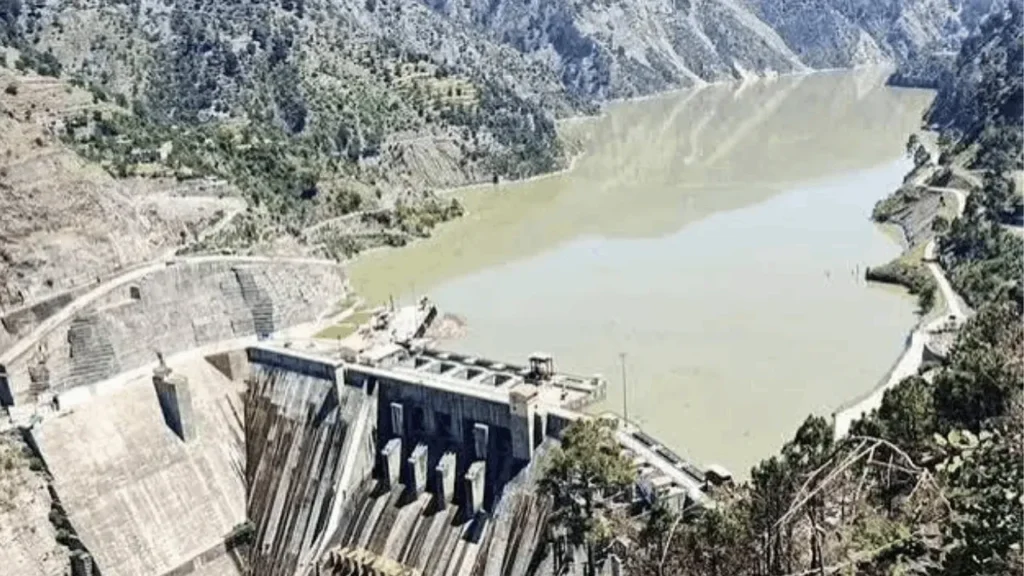
The Indus Waters Treaty is a key agreement between India and Pakistan regarding water resources. Under this, a framework of rights and responsibilities of both the countries regarding the use of water of six major rivers of the Indus river system has been decided.
Under the agreement, India gained primary control over the eastern rivers – Ravi, Beas, and Sutlej – while Pakistan was given extensive rights over the use of the waters of the western rivers – Indus, Jhelum, and Chenab. However, the Treaty also allows India to use the waters of the western rivers under certain specified conditions.
Disputes have been arising between the two countries over this arrangement for many years. Both sides have different interpretations on issues related to hydropower projects and water use. The current dispute is being seen against the backdrop of these long-standing differences.
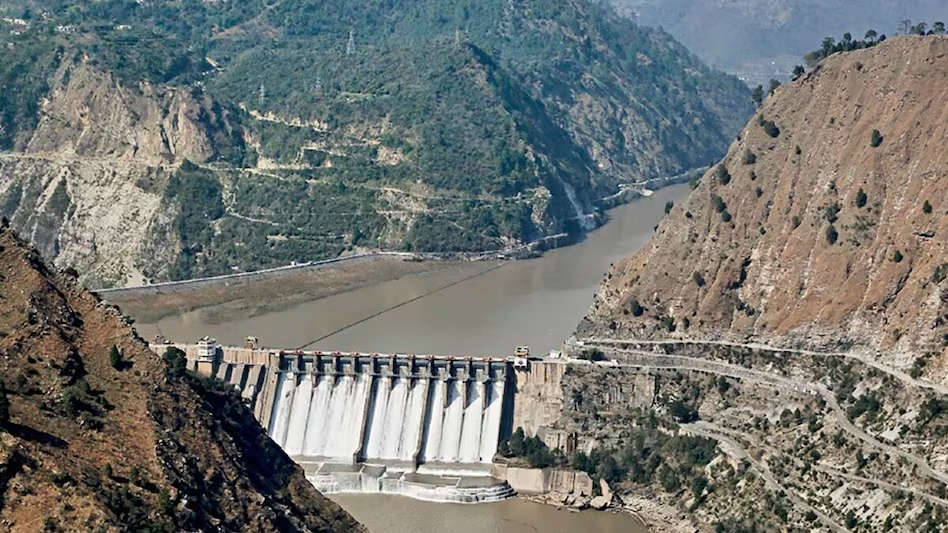
The water agreement has become a major issue amid India-Pakistan tensions.
Political and diplomatic tensions between India and Pakistan escalated after the Pahalgam attack. At such a time, India’s decision regarding Indus Waters Treaty was considered very important. This water-related agreement has long been a sensitive issue in the relations between the two countries.
India’s latest stance indicates that it is highlighting its jurisdictional objections in any international dispute related to the Treaty. The government has reiterated its position of refusing to accept the Hague Court’s decision.
This development may also impact water cooperation and future talks between the two countries. However, the future course of action regarding the Treaty will depend on the government’s next decisions and changes in India-Pakistan relations.
India’s stance on the Hague Court’s decision is clear.
India has clarified its stance on the Hague Court’s decision. The government says the court did not have jurisdiction over the case and hence India does not accept its decision.
India has also indicated that legal and treaty validity is important before accepting any dispute. On this basis, the government is raising questions on the current process and decisions.
Now further diplomatic and legal activities in this matter will be monitored. Pakistan’s reaction to India’s stance and the discussion on this dispute at the international level could be important.
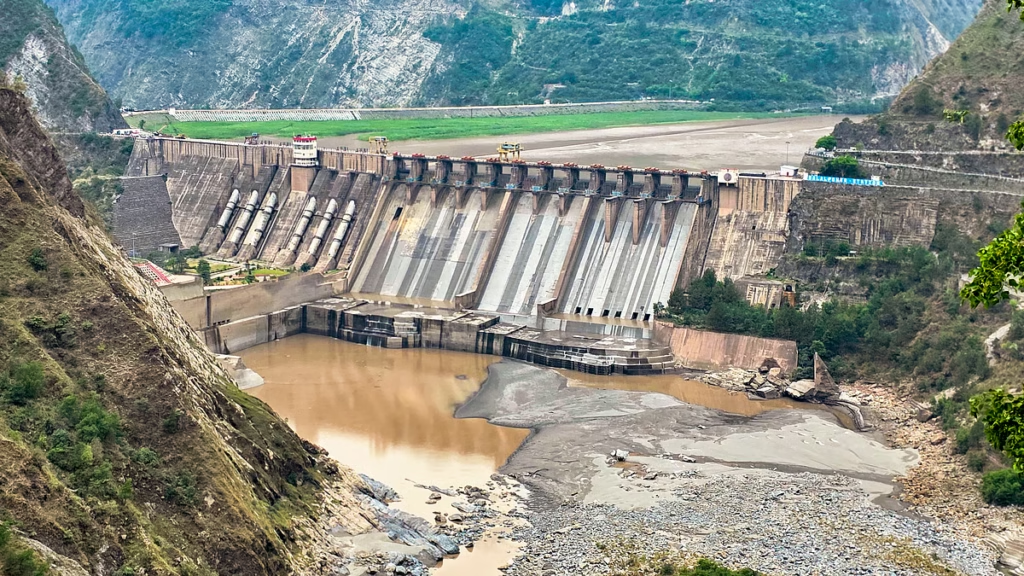
The conflict over the Indus Waters Treaty continues, with India refusing to accept the decision.
The dispute between India and Pakistan over the Indus Waters Treaty is once again in the international spotlight. India has rejected the Hague Court’s decision, saying the court did not have jurisdiction in the matter.
India’s decision to suspend the Treaty after the Pahalgam terrorist attack is an important background to this entire development. Following the April 22 attack that killed 26 people, India took several strong measures against Pakistan.
At present, India has not changed its stance. The government has clarified that the decision of the Hague Court will not be accepted. In the coming times, we will keep an eye on what developments take place at the diplomatic and legal level between India and Pakistan on this issue.