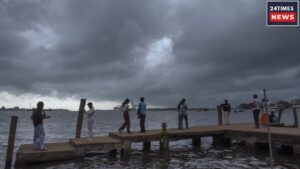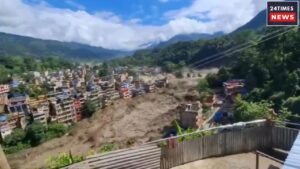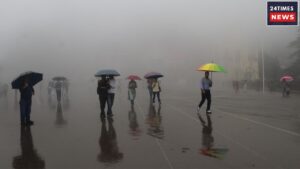
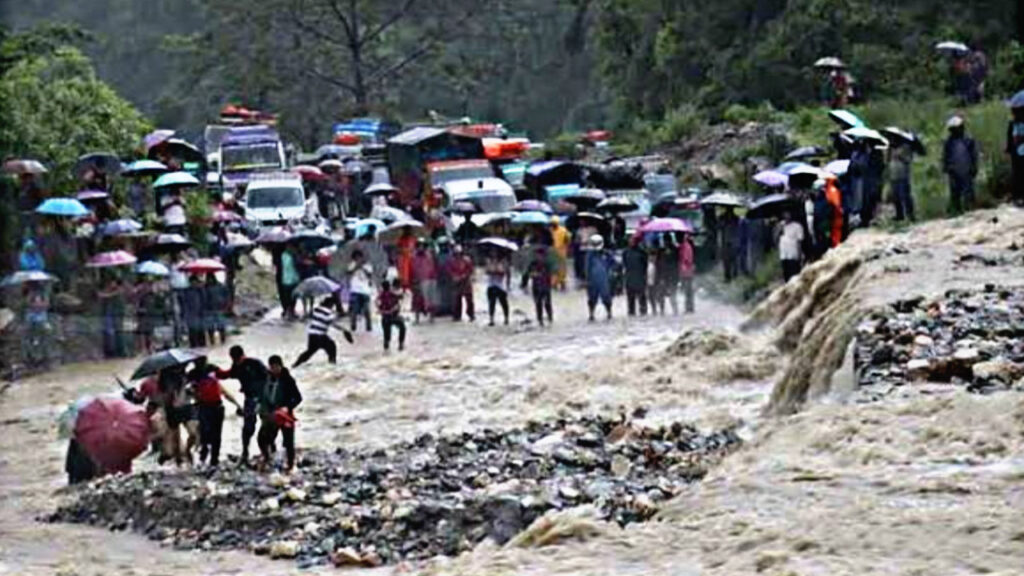
Nepal is a country known for its beautiful mountains. This country boasts many beautiful places, but every year, the monsoon season brings an increased risk of floods and landslides. This year, Nepal is experiencing a similar situation. Due to continuous heavy rainfall, the water levels in rivers rise rapidly, and this time, the water levels have risen significantly. Nepal is currently experiencing a state of devastation. In many areas, water has entered homes, roads, and fields, and this situation persists again. The Terai region, an autonomous plain, is among the most affected by floods.
Floods in Nepal are caused by numerous natural and human factors. Every year, floods occur in Nepal due to these factors. Heavy rainfall during the monsoon season is the most common cause. Sudden cloudbursts in the mountainous regions cause large amounts of water to flow downhill in a very short period of time. This time, cloudbursts have also affected many areas of Nepal. Additionally, uncontrolled construction along river banks, rock cutting, and poor drainage systems also exacerbate the flood problem. Climate change-induced weather changes and extreme rainfall events are also a concern.
Common People’s Lives Affected
Floods have the greatest impact on the lives of ordinary people, not just anyone else. Their daily lives and everything they own are destroyed. Many families’ homes are submerged, forcing them to evacuate to safer places. Farmers’ crops can be destroyed, severely impacting their incomes. Destruction of roads and bridges disrupts communication between villages and cities. Electricity and communication services are often disrupted. Contaminated water after floods increases the risk of various water-borne conditions.
The current situation in Nepal is quite serious; the floods have devastated lives in many places. However, rescue and relief operations are crucial during floods, which the government, local administration, the army, the police, and other organizations are working together to provide to the affected people, providing them with food, water, medicine, and essential supplies.
Long-term plans are needed to mitigate flooding in Nepal. More trees should be planted, unplanned construction in river flows should be controlled, and better drainage systems should be developed. Accurate weather information and timely warning systems should also be strengthened.
The flood situation in Nepal continues to be concerning. Heavy rains and flash floods have disrupted life in many areas. Relief teams are working to evacuate people and provide essential assistance in affected areas. The administration has appealed to people living along river banks and in vulnerable areas to exercise caution. The situation is being monitored continuously, and rescue operations are proceeding rapidly.