

If you enjoy consuming cold drinks, energy drinks, soft drinks, or similar beverages, be aware that they could pose a serious health risk. A study published in PubMed has revealed a significant finding: consuming these drinks can increase the risk of cancer—specifically, colorectal cancer. Experts have expressed serious concern regarding this discovery.

Findings from a Global Program
Health-related research is conducted regularly, with experts frequently studying diseases linked to dietary habits. In this context, the World Cancer Research Fund International’s Global Cancer Update Program has highlighted this issue. If you consume these drinks frequently, you should exercise extreme caution. Experts sought to understand the link between sugar-sweetened beverages and cancer—specifically, what factors within these drinks increase the risk. The research concluded that sugar-sweetened beverages do indeed heighten the risk of cancer.
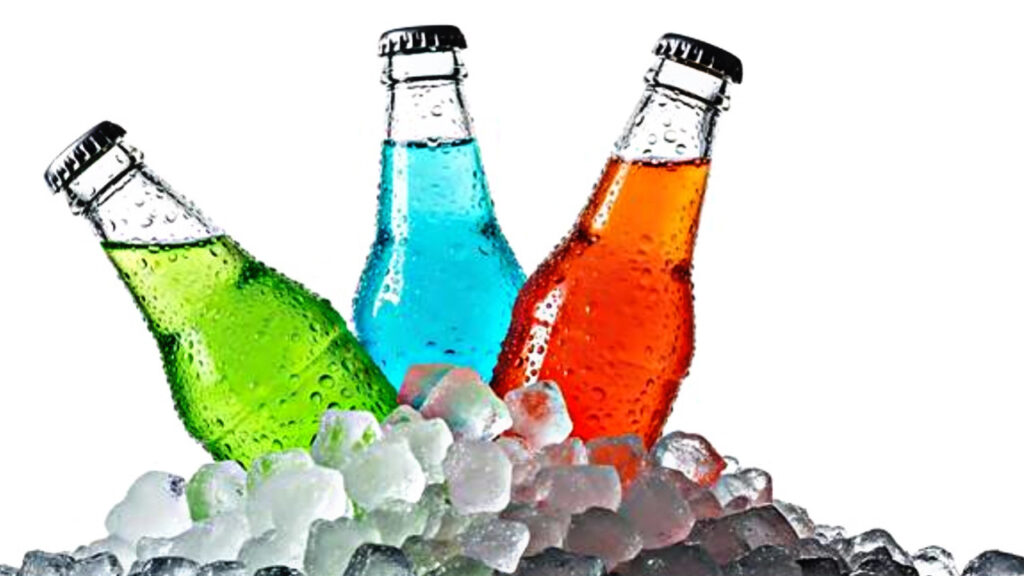
Which Drinks Pose a High Cancer Risk?
Here are the types of drinks associated with an increased cancer risk; avoiding them would be beneficial for your health. These include cold drinks, lemon-flavored drinks, packaged juices, mocktails, energy drinks, and any other sugar-sweetened beverages. In short, any drink containing added sugar increases the risk of cancer. Research indicates that consuming approximately 355 ml of a sugary drink daily can increase your risk of cancer by 9%.
Significant Risk Associated with Orange Juice
Significant findings have emerged from the World Cancer Research Fund International’s Global Cancer Update Program. The research reveals that excessive consumption of orange juice carries a risk of skin cancer or skin allergies. Therefore, if you do drink orange juice, avoid consuming it in large quantities; excessive intake can pose a serious health risk. The study highlights a link between orange juice consumption and risks of melanoma and basal cell carcinoma, noting that high intake elevates the cancer risk. Experts and doctors attribute this primarily to compounds found in oranges—specifically furocoumarins and psoralens—which increase the risk of cancer. When you consume large amounts of orange juice daily, these compounds enter your body directly, potentially damaging skin cells and leading to skin cancer.
This does not mean you should stop drinking orange juice entirely or that consuming it occasionally causes cancer; other factors also contribute to the increased risk associated with high intake. Experts recommend prioritizing whole fruits over fruit juices. Additionally, packaged juices often contain high levels of sugar and preservatives, so their consumption should be limited. Consuming whole fruits directly is generally better for your health.
How Do Cold Drinks Contribute to Cancer Risk?
Doctors and experts state that energy drinks and cold drinks contain high levels of sugar; excessive sugar intake harms the liver and is detrimental to overall health. This leads to continuous weight gain, which not only causes liver problems but also increases the risk of cancer. That is why these drinks raise the risk of cancer.