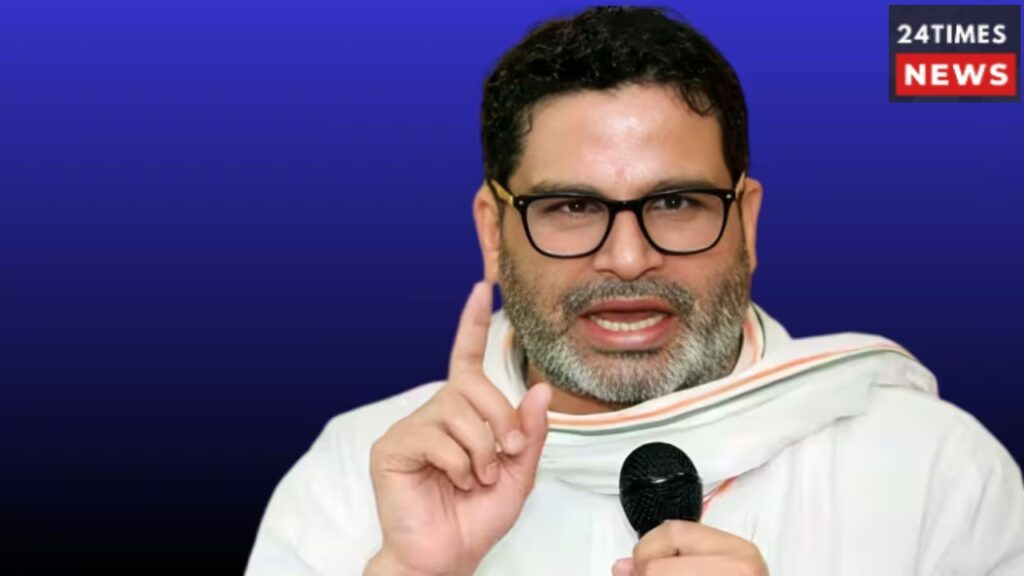
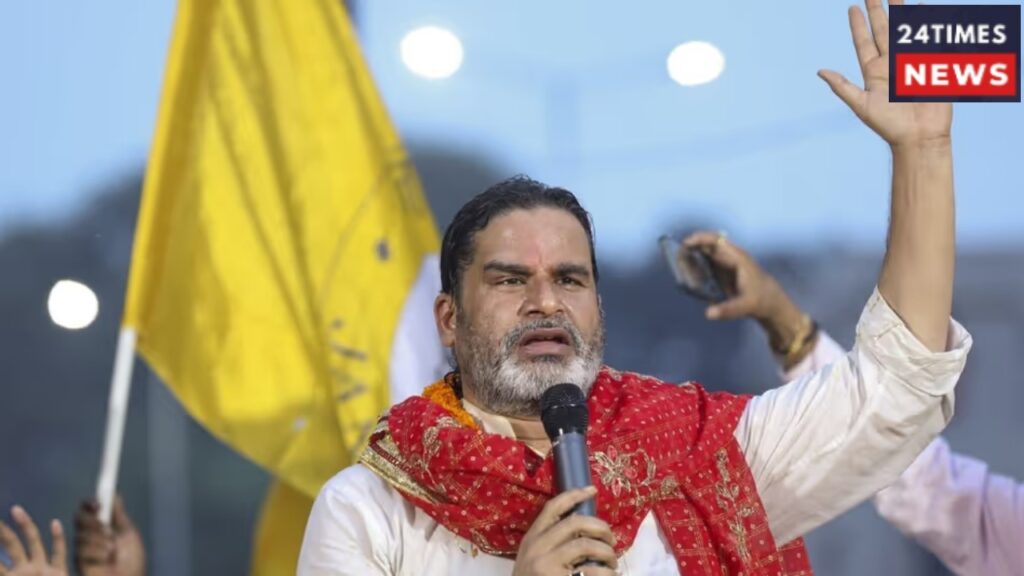
New Delhi: The by-election for the Bankipur Assembly seat in Bihar has become a major topic of discussion. Prashant Kishor, founder of the Jan Suraaj Party, is the most talked-about figure in this contest; he is personally running for this seat. On the one hand, there is Prashant Kishor’s strategy and popularity; on the other, Bankipur is considered a stronghold of BJP leader Nitin Navin.
Nitin Navin faces a stern test in this seat, regarded as a BJP bastion, and the party is pulling out all the stops for the campaign. This marks Prashant Kishor’s electoral debut. Initially, the BJP fielded Abhishek Kumar against Kishor, but later made a significant change, replacing him with Neeraj Kumar Sinha.
Neeraj Kumar Sinha is counted among the BJP’s grassroots workers. Since his nomination, Prashant Kishor has been hailing it as a psychological victory for himself. However, the ground reality and electoral arithmetic of Bankipur tell a different story. Although political analysts may view Neeraj Sinha as the weaker candidate, he possesses the mettle to breach ‘PK’s strategic maze. To understand this, one must first grasp the political dynamics of Bankipur.
Bankipur Seat: A BJP Stronghold
Bankipur is considered a formidable fortress for the BJP in Bihar. The party has enjoyed a long winning streak here; according to reports, the BJP has won the last nine elections consecutively. The party’s ‘lotus’ symbol has been blooming here without interruption since 1995.
BJP leader Nitin Navin has served as an MLA five times, preceded by his father, Navin Kishore Sinha, who held the seat for four consecutive terms. Consequently, the constituency has effectively become a stronghold for Nitin Navin’s family. Navin vacated the seat after moving to the Rajya Sabha.
The by-election is being held following his resignation. Given that this is Nitin Navin’s traditional seat, defeating the BJP here appears to be a daunting task. In the last three elections, BJP candidate Nitin Navin secured victories by significant margins. In any case, the candidate fielded by Prashant Kishor in the 2025 assembly election lost his security deposit in this seat.
BJP’s Strong Hold on Urban Votes
The BJP’s ‘lotus’ has been blooming in the Bankipur constituency for three decades. The party is considered to have a very strong grip on the urban vote here. It has often been observed that votes are cast more for Narendra Modi and the ‘lotus’ symbol than for the individual candidate. Although the BJP has fielded Neeraj Kumar Sinha, the reputation of the incumbent leader (and former national president of the youth wing) Nitin Navin is at stake. That is why Nitin Navin has camped here extensively to ensure a BJP victory in Bankipur.
PK Caught in the Caste Labyrinth
Prashant Kishor, founder of the Jan Suraaj Party, appears to be getting entangled in the caste arithmetic of the Bankipur assembly seat. The constituency has a total of 3.91 lakh voters. In terms of caste, Kayasthas constitute the largest voter base; according to a report, they make up 14 per cent of the electorate, numbering around 65,000. It is this voter base that has enabled the BJP to win consistently for three decades.
Nitin Navin also belongs to the Kayastha community. Following the Kayasthas, Yadavs form the second-largest group at 1 per cent (55,000 to 60,000 voters). Other significant groups include Muslim voters (10%), Chandravanshis (9%), the Vaishya community (9%), Dalits (8%), Bhumihars (7%), Brahmins (7%), Rajputs (5%), Kurmis (5%), and the Kushwaha community (3%).
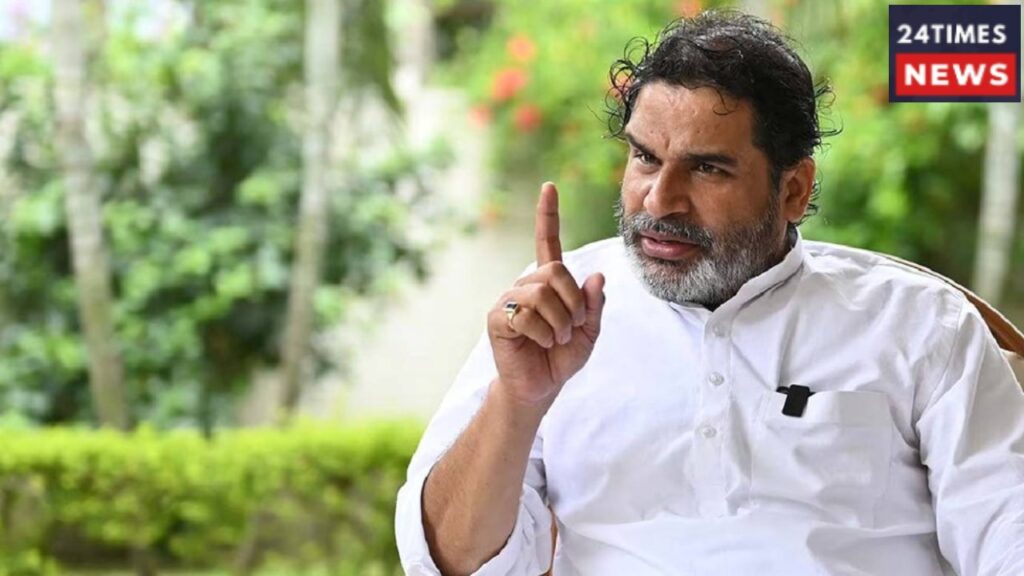
Overall, Kayastha voters play the most crucial role; they have traditionally stood by the BJP. There is also a substantial Vaishya population. Prashant Kishor is attempting to make inroads into these ‘Upper Caste’ (Savarna) votes, but history shows that the BJP’s core Savarna and Vaishya voters tend to stick with the party rather than experiment with new options. Crucially, Neeraj Kumar Sinha also belongs to the Kayastha caste.