While the global crypto market faces its usual turbulence mid-year, Solana ($SOL) is standing out, holding steady near the $72 mark. It’s a moment when many coins are under pressure concerns about interest rates hang over everything, and risk appetite feels shaky. Yet Solana keeps showing a resilience that’s turning heads, especially among big, institutional investors. There’s a sense that the wild, speculative swings in price are giving way to something more stable and grounded.
Table of Contents
A Solid Performance Despite Past Highs
Right now, Solana sits at $71.89 USD globally. In India, traders are seeing it trade around ₹6,779 on the main digital asset platforms. Sure, that’s below its all-time high of $295 hit back in January 2025, but the feeling in the market isn’t one of retreat. Instead, the fundamentals are pointing to a network that’s evolving and showing real signs of maturity.
Battle of the Spot ETFs: Lower Fees, More Access
A big reason for Solana’s solid performance is the fierce competition heating up around investment products like Spot ETFs. Since the first spot Solana Exchange-Traded Products (ETPs) and trusts rolled out, asset managers are racing to adapt and grab market share.
Take Grayscale, for example. It didn’t just tweak its Solana Staking ETF trust it slashed sponsor fees down to just 0.19%. On top of that, the staking fee now sits at just 7% of gross staking rewards. It’s a big statement that they’re willing to compete for institutional investors.
Meanwhile, Wall Street heavyweight Morgan Stanley is pushing its spot Solana Trust forward, too. Their latest filing offers an even lower sponsor fee of 0.14%, and perhaps more eye-catching, a plan to pass 95% of on-chain staking yields directly to shareholders. Moves like these don’t just make it cheaper to get institutional exposure to Solana they add real value for people looking for yields on their crypto allocations.
This cycle of lower fees and the chance to tap directly into on-chain rewards has made Solana more appealing for big portfolio managers and family offices. Every time the price dips, they’re there buying, keeping the floor strong.

Solana’s Role in Real-World Assets Gets Real
Price charts only tell part of the story. What’s more exciting right now is how Solana is breaking ground as the settlement layer for real-world assets, not just digital speculation. The biggest news here: On June 22, the UK investment giant Baillie Gifford made history. They launched the Enhanced Yield Fund ticker BAGEY natively on the Solana blockchain.
This isn’t just another token masquerading as a fund. Baillie Gifford, working hand-in-hand with infrastructure from BNY (the company that used to be BNY Mellon), decided to use Solana’s ledger as the official register of record. The whole fund operates, settles, and tracks flows directly on Solana, with settlement in USDC. No wrappers, no back doors it’s all on-chain, fully transparent, and regulated out of the UK. For institutional investors, this is a powerful case for Solana’s reliability. If Baillie Gifford trusts the network to manage an official fund, others will follow.
Technical Picture: Healthy Base, Ready for a Move
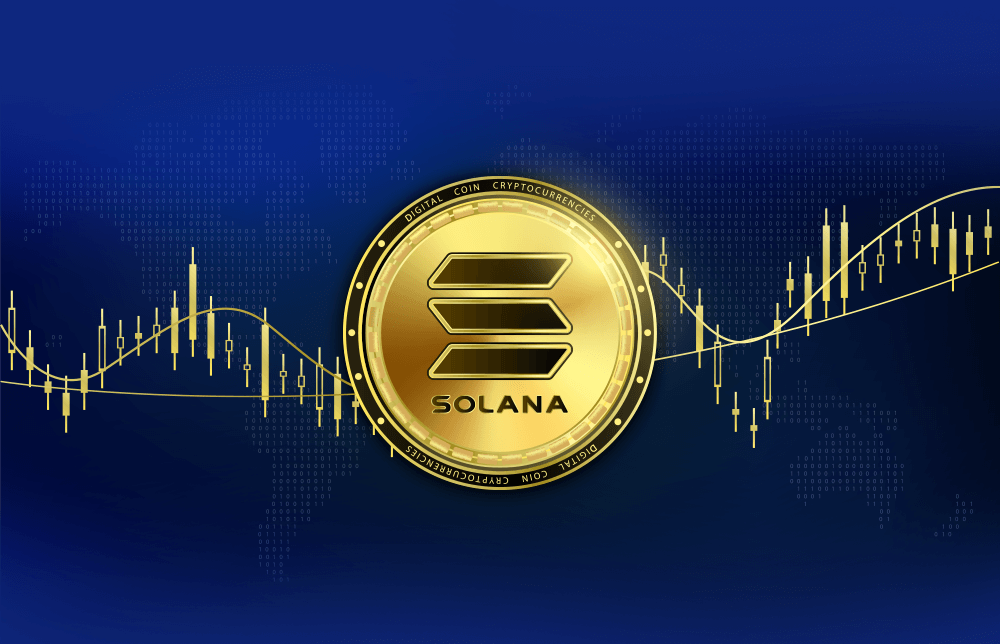
If you look at the price chart, Solana spent the second half of June building a solid foundation between $70 and $74. After shaking out a wave of over-leveraged positions in other words, traders who were betting too much on perpetual futures the technical health of the asset looks better than it has in weeks.
There’s a clear local resistance point up at $74. If asset flows into these new, cheaper institutional products keep coming, a strong close above $74 might put Solana on track to revisit the $85 baseline before long. On the other hand, $70 is acting as a defensive level. Huge buy orders from big desks seem to cluster around there, making a big breakdown less likely.
What’s Next for Solana?
As traditional and digital finance keep blending, Solana’s story gets even more interesting. Institutional-grade products like the Baillie Gifford fund prove that Solana isn’t just about speed and low fees it can also handle the complexity and trust requirements of real-world assets. Meanwhile, the fee wars among institutions could keep driving inflows, especially if staking rewards remain accessible and transparent.
Looking ahead, analysts are keeping an eye on real transaction numbers from these new on-chain funds, how regulatory clarity evolves (especially with firms like Morgan Stanley passing most of the staking yield to retail holders), and the raw technical performance of Solana compared to Ethereum’s Layer-2s for speedy settlements.
For now, though, Solana keeps showing it’s more than a speculative play. It’s building real network value, and the institutions seem to be noticing. The coming weeks will be crucial in showing just how far this new era of blockchain adoption can go.