
Table of Contents
Tamil Nadu Ammonia Gas Leak: Seven women were killed in a toxic gas leak at a Tiruvallur seafood factory; rescue and investigation operations intensified.
The Tamil Nadu ammonia gas leak accident in Tiruvallur district of Tamil Nadu has shocked the entire state.
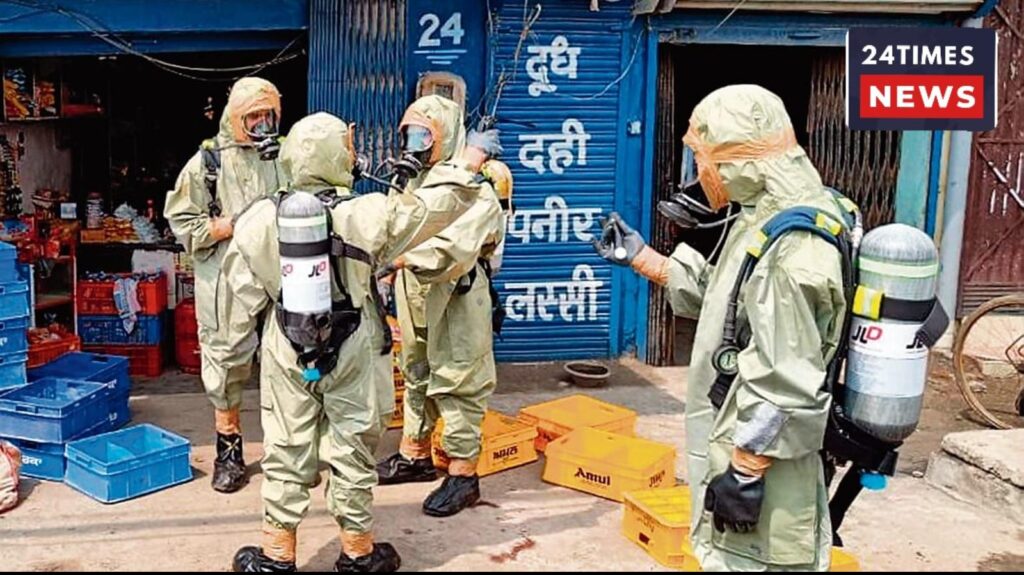
According to preliminary information, seven women employees died while several other workers were affected due to ammonia gas leak in a seafood processing factory. Recognizing the severity of the situation, the administration and relief agencies swung into action immediately.
District administration officials said that after the Tamil Nadu ammonia gas leak incident, the affected employees were immediately rushed to the hospital and provided medical assistance. After this tragic incident, questions have also started being raised about safety standards, industrial monitoring and worker safety regarding the Tamil Nadu ammonia gas leak.
The state government has ordered a detailed investigation into the Tamil Nadu ammonia gas leak to ascertain the cause of the accident and fix responsibility.
Tiruvallur District Collector S. Kavitha visited the site and met patients admitted in hospitals. He reviewed the relief and treatment operations of the Tamil Nadu ammonia gas incident and directed the officials to provide all possible assistance to the affected families.
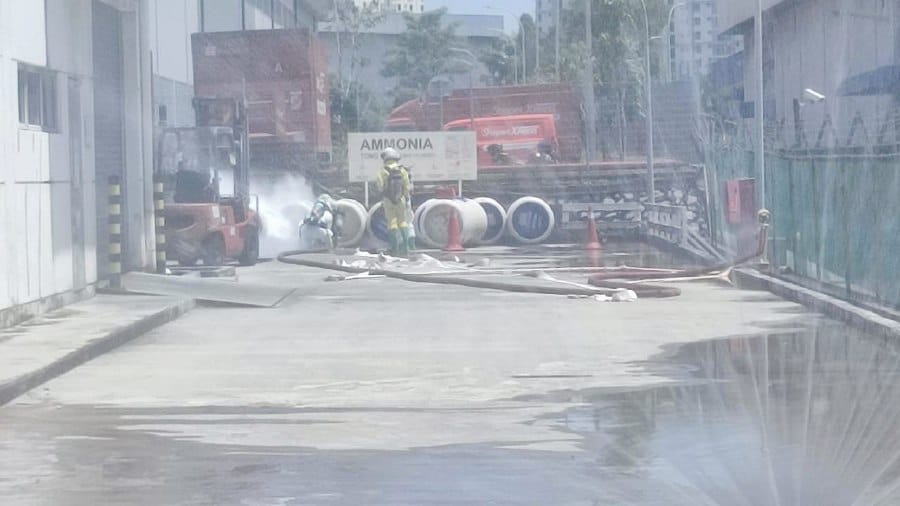
The factory premises have been temporarily sealed for security reasons. Experts and technical teams have been sent to the spot to investigate the source and circumstances of the Tamil Nadu ammonia gas leak. Police and administrative officials were also present at the spot.
According to eyewitnesses, there was chaos in the factory premises after the gas leak. Many employees suddenly started feeling unwell, after which they were taken to the hospital. Some people complained of problems like difficulty in breathing and dizziness.
This incident has once again started discussions on the effectiveness of safety management and disaster response mechanisms in industrial units. Experts believe that regular inspections and strict adherence to safety standards are essential to prevent such incidents.
5 key factors that made the Tiruvallur gas leak tragedy a topic of national discussion.
- The tragic deaths of seven female employees
The most tragic aspect of this Tamil Nadu ammonia gas accident is the death of seven women.
According to initial reports, several workers were seriously affected after the Tamil Nadu ammonia gas leak. Most of the deceased were women employees who were doing regular work in the factory. This incident has raised serious questions about worker safety.
- Several employees hospitalized
A large number of employees were taken to the hospital following the Tamil Nadu ammonia gas accident.
Some employees faced problems like difficulty in breathing, dizziness and fainting. The health department made special medical arrangements for the treatment of the affected people.
- Prompt action by the district administration
Tiruvallur District Collector S. Kavitha immediately visited the scene and hospitals.
He monitored the relief operations and directed the officials to provide all possible assistance to the affected families. The administration activated several departments to control the situation.
- Questions raised about factory safety
Following the accident, discussions have intensified regarding factory safety standards.
Experts believe that if the possibility of a Tamil Nadu ammonia gas leak had been identified earlier and proper safety measures had been in place, the damage could have been reduced. The investigation will look at the extent to which safety rules were followed.
- Demand for Investigation and Accountability
The state government has ordered a detailed investigation.
The investigation aims to find out under what circumstances the Tamil Nadu ammonia gas leak occurred and whether any negligence was involved. If violation of rules is confirmed, action may be taken against the concerned parties.
Serious questions arise regarding industrial safety, worker protection, and administrative accountability.
The Tamil Nadu ammonia gas leak at the seafood processing factory in Tiruvallur is not just an industrial accident, but also highlights the broader challenges facing many industrial units across the country. When a toxic gas leak occurs in a factory and affects human life, questions naturally arise about the effectiveness of safety standards, monitoring mechanisms and disaster management systems.
Ammonia gas is used in various industrial processes, especially cold storage and food processing units. Although it is considered industrially useful, its handling and storage require extreme care. Experts say that if safety equipment is not tested regularly or there is negligence in maintenance, the risk of such accidents increases.
The biggest question arising after this incident is whether all the safety standards were being followed in the concerned factory.
- Were gas leak warning devices working properly?
- Were employees adequately trained to handle emergencies?
- Were the evacuation plans and disaster response systems effective?
All these questions can become an important part of the investigation.
Industrial safety regulations and guidelines already exist in India, but concerns have often been raised about their effective implementation. Experts believe that merely formulating rules is insufficient; It is equally important to ensure their regular inspection and strict adherence.
Labor organizations have also demanded a review of safety standards after this incident. They assert that the safety of employees working in industrial units must be the top priority. If any kind of negligence is proved, action should be taken against those responsible so that such incidents do not recur in future.
This accident has once again shown how important it is to maintain a balance between industrial development and worker safety. It is necessary to promote production and economic activities, but along with this, the safety of life and health of the employees must also be ensured. According to health experts, exposure to ammonia gas can cause respiratory problems, eye irritation, dizziness and in severe cases, can even be life-threatening. For this reason, medical monitoring and long-term health check-up of affected people after such incidents is also considered important.
Administrative officials say that along with relief and rescue operations, investigation will also continue in parallel. Technical experts are trying to find out what was the actual cause of the gas leak and whether it could have been prevented.
Relief Operations, Government Response, and Follow-Up
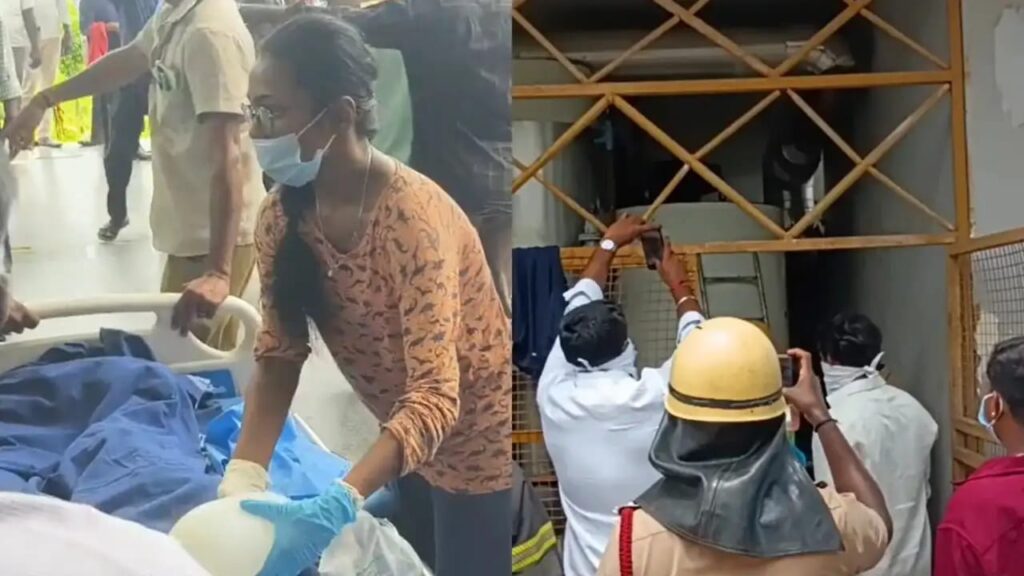
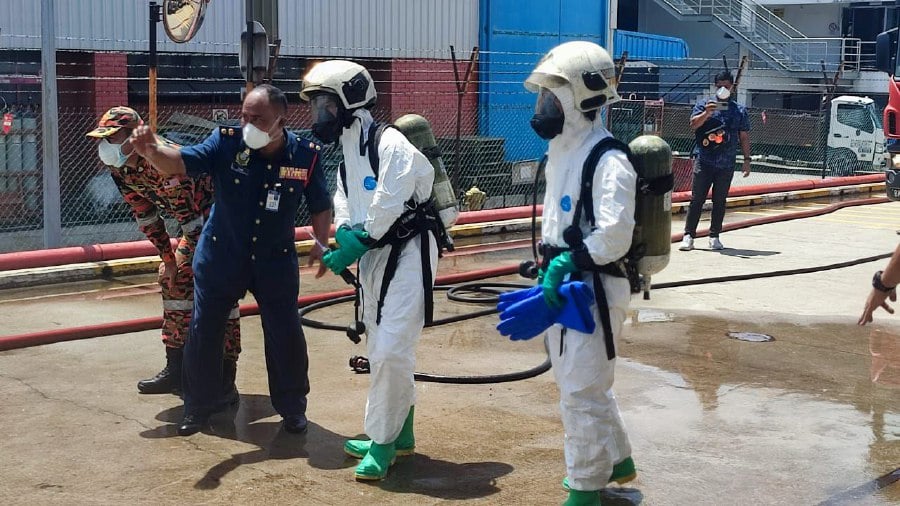
Immediately after the accident, the district administration, health department, and police launched relief and rescue operations. The affected employees were taken to the hospital and provided medical assistance. District Collector S. Kavitha visited hospitals and the site of the incident to review the relief work.
The state government has also taken the incident seriously and sought a detailed report from the officials. The administration says that necessary legal and administrative steps will be taken after the investigation is completed. Besides, the process of providing assistance to the affected families has also been started.
Experts believe that taking lessons from this incident, there is a need to further strengthen safety audits, regular inspections and training of employees in industrial units. This can reduce such risks in the future.
Lessons for the Future and Wider Implications.
The Tiruvallur gas leak tragedy is not just a local incident but is being seen as a significant warning to the industrial sector across the country. This has made it clear that industrial safety should be viewed not just as a formal process but as a continuous responsibility.
Experts suggest that modern gas detection systems, emergency response mechanisms and regular safety training be made mandatory in all sensitive industrial units. Apart from this, better coordination between local administration and industries is also necessary so that quick response can be given in any emergency situation.
This is an irreparable loss for the families of the women who lost their lives in this tragic incident. At the same time, it will also be necessary to pay attention to the health and rehabilitation of injured employees. In the coming days, the investigation report will clarify what were the reasons behind the accident and what steps should be taken to prevent such incidents in the future.
This accident in Tiruvallur once again reminds us that industrial progress is meaningful only when it proceeds with the safety and dignity of human life. Safety, accountability and transparency can prove to be the strongest foundation for preventing such accidents in the future.