Mekedatu Dam Proposal: Tamil Nadu Assembly passes unanimous resolution against Karnataka’s project.
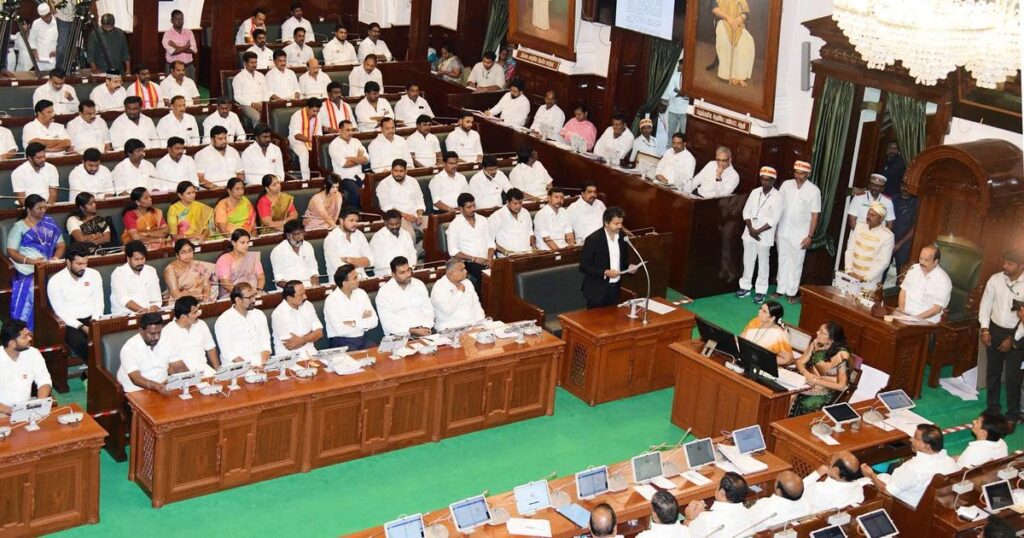
The long-standing water dispute in South India has once again sparked political and administrative turmoil. The Tamil Nadu Assembly has recently unanimously passed an important resolution against the Mekedatu dam proposal.
The resolution urged the central government not to grant any kind of approval to the Mekedatu dam proposal, be it technical approval, environmental clearance or any other kind of administrative permission.
The Assembly also said that the Mekedatu dam proposal could have serious implications on the water sharing of the Kaveri river and could affect the interests of farmers and water consumers in Tamil Nadu. For this reason, the Tamil Nadu Assembly resolution is being considered an important step towards protecting the water rights of the state.
The government argues that the implementation of the Mekedatu dam proposal could further complicate the Kaveri water dispute. At the same time, various political parties including the opposition have also shown solidarity on this issue and supported the Tamil Nadu Assembly resolution.
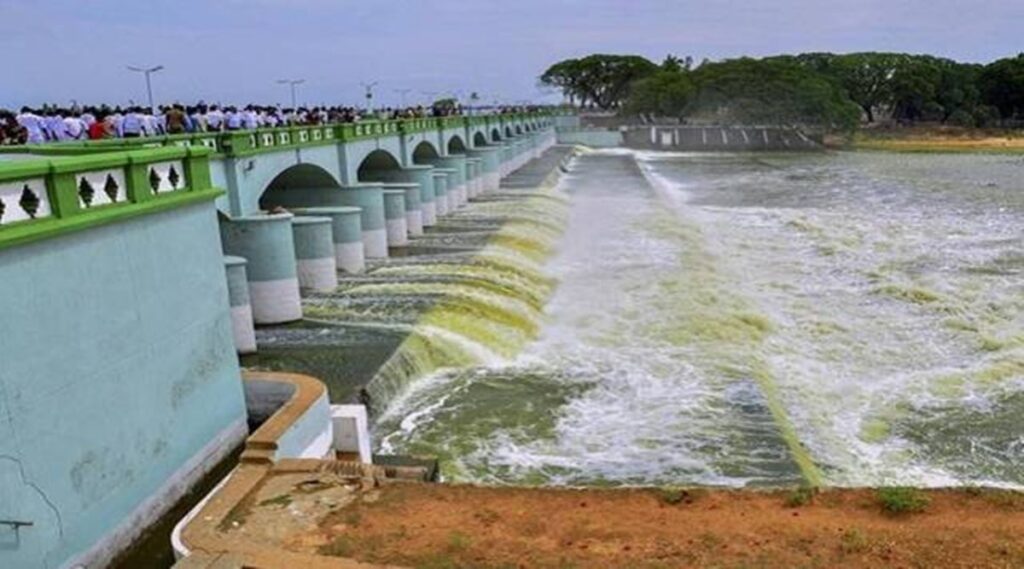
The Kaveri River is considered one of the most important rivers of South India. Its water meets the agricultural and drinking water needs of several regions including Karnataka, Tamil Nadu, Kerala and Puducherry. This has led to decades of disputes over the sharing of the river’s waters, often reaching the courts, tribunals, and the central government.
The Tamil Nadu government has said the Mekedatu project proposed by Karnataka could impact the state’s share of water flow. This is why the Assembly has unanimously passed a resolution demanding the Central Government not to approve this project.
Political analysts believe that this resolution is not just an administrative document but also a reflection of the political and social outlook of Tamil Nadu. The issue of Kaveri water is considered extremely sensitive in the state and the livelihood of lakhs of farmers is linked to it.
The government says the state’s aim is not to oppose the development work of any other state, but to protect its water rights and the interests of farmers. For this reason the Tamil Nadu Assembly resolution received all-party support. Experts believe that in the times to come, this issue may remain a topic of important discussion between the Central Government, states and judicial institutions. At present, Tamil Nadu has clearly indicated that it will continue to oppose the Mekedatu dam proposal and will take all constitutional measures to protect its rights related to Kaveri water sharing.
5 key facts about the Mekedatu Dam proposal and the Kaveri water dispute
- Tamil Nadu Assembly unanimously opposes resolution
The Tamil Nadu Assembly unanimously passed a resolution against the Mekedatu Dam proposal, demanding that the central government not grant any approval to the project. The move reflects a rare consensus among the state’s political parties. - Fears of potential impact on Kaveri water sharing
The state government argues that the project could disrupt the natural flow of the Kaveri River, negatively impacting Tamil Nadu farmers and drinking water supplies. For this reason, it is being considered a serious issue related to water security. - Concerns for farmers and the rural economy
Millions of farmers in Tamil Nadu depend on Kaveri water. The government says that the implementation of the Mekedatu dam proposal could affect the irrigation system, which could increase pressure on agricultural production and the rural economy. - Dependence on Central Government Approval
The project is dependent not only on state-level approvals but also on technical, environmental, and administrative approvals from the central government. Tamil Nadu’s proposal is being seen as a strategy to put pressure on the Centre. - Long-standing inter-state water disputes
The Kaveri water dispute is not a new issue. This has been a bone of contention between Tamil Nadu, Karnataka, Kerala and Puducherry for decades. The Mekedatu project has once again brought this old controversy into the limelight.
The Political, Social, and Environmental Impact of the Mekedatu Dam Dispute.
The Mekedatu dam proposal is not just an infrastructure project, but has become a symbol of the deepening tensions between the states of South India over water resources. The Kaveri River, which is the central stream of this entire dispute, is considered the lifeline of millions of people. In such a situation, any change in its water flow creates major impact at political and social level.
The Tamil Nadu government believes that the project could reduce the state’s share of water, deepening the agricultural crisis. Karnataka’s stand is that this project is necessary for water conservation and flood control. This conflict has made it a complex inter-state issue.
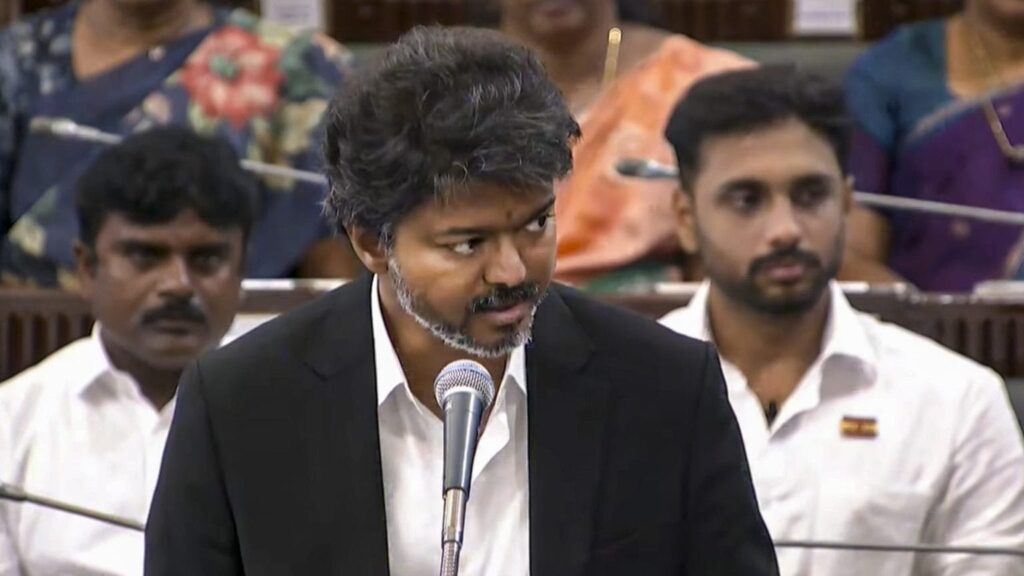
This issue is politically very sensitive in Tamil Nadu. Protecting Cauvery water rights is considered a major responsibility for any government, as the livelihood of millions of farmers is directly linked to it. This is why the Assembly showed consensus on this issue, which in itself sends an important political message.
There is also debate about this project from an environmental point of view. Some experts believe that dam construction may affect river ecosystems, while others consider it essential for water management. In this way this controversy has also turned into a debate of development versus conservation.
The role of the Central Government becomes very important in this entire dispute, because it has the final approval. It will be interesting to see how the government balances the interests of both states in the future. At present, this issue has become not just a project but a major debate on regional politics and water rights.
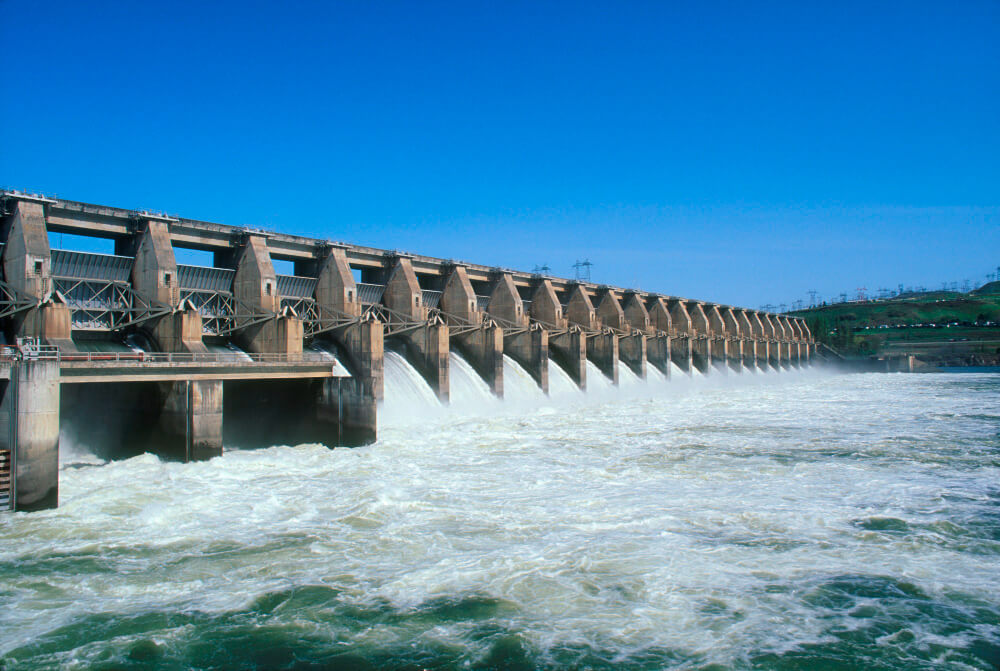
The future course of action and possible solutions.
The Mekedatu dam proposal dispute does not appear to be easy to resolve, as it directly involves water rights and regional interests. In such cases, communication and consent play the most important role.
First, the central government must strengthen an impartial mediation process between the two states Tamil Nadu and Karnataka so that the concerns of all parties can be heard and a balanced solution can be found.
Second, the kaveri water management system needs to be further modernised technologically to ensure transparency and efficiency in water distribution.
Third, data sharing between states should be strengthened to provide clarity on the actual status of water availability and use.
Fourth, environmental impact assessments should be made more scientific and transparent, so that the long-term impacts of any project can be better understood.
Ultimately, this dispute is not just about a dam project; it is a significant case study regarding water management and federal balance in India. Its solution is possible only when all the parties adopt a collaborative approach and try to balance development and environment together.