Right to Walk: Supreme Court declares the right to walk on footpaths a fundamental right, calls for legislation to protect pedestrians.
The Supreme Court of India has made a historic observation, stating that the right to walk safely should be considered a fundamental right under the Constitution. The court said that the Right to Walk is not just a means of transportation but an important part of civil liberty, social participation and democratic life.
The court also said that the Right to Walk has played an important role in India’s freedom movement, political movements and social reforms, but ironically, even today there is no comprehensive law explicitly protecting the Right to Walk. The court told the central and state governments that a dedicated legal framework should be created to ensure the protection of the right to walk.
The judges said that the Right to Walk is not just a question of pedestrian convenience but also a matter of dignity, equality and access to safe public places.
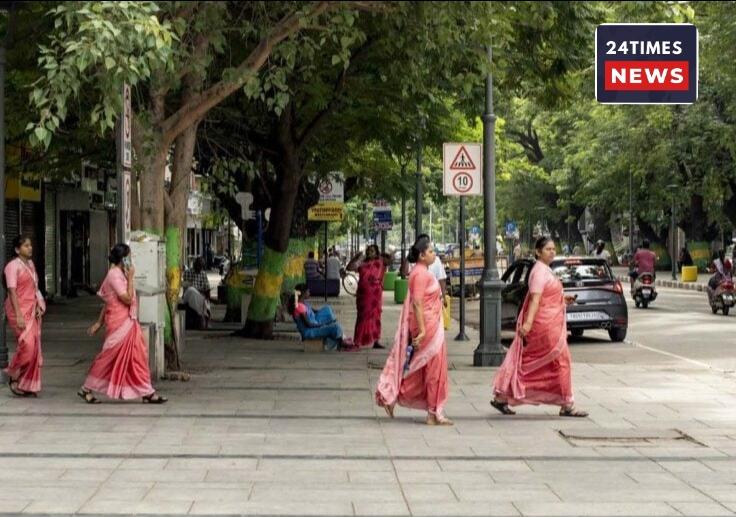
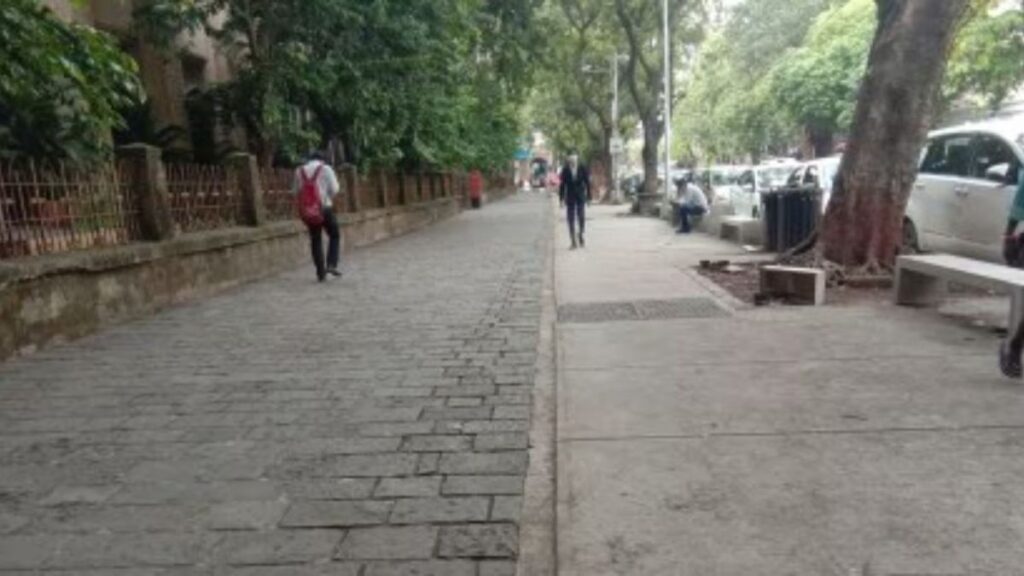
The Supreme Court in its observation said that the condition of footpaths in cities and towns of India is worrying. Encroachment, illegal parking, and poor infrastructure in many places force pedestrians to walk on the road, increasing the risk of accidents and affecting the safety of citizens.
The court also stressed that walking is not limited to the economically weaker sections only. It is also an important part of environmental protection, public health and sustainable urban development. Many developed countries in the world are implementing pedestrian-priority policies, whereas India still needs extensive reforms in this direction.
The court said that walking has also been a medium of democratic expression. From the marches led by Mahatma Gandhi during the freedom movement to various social movements, walking has played a vital role in shaping the history of India.
This comment is being considered an important step in the field of urban planning and civil rights. Experts say that if the government makes comprehensive laws in this direction, it can benefit crores of pedestrians and make cities safer and more inclusive.
5 important but significant points that make this Supreme Court decision historic.
- The right to walk was linked to a fundamental right
The Supreme Court clarified that safe walking is not merely a matter of convenience, but a right linked to life and personal liberty. The court held that it is the responsibility of the state to provide safe footpaths and public roads to the citizens.
- Urges Government to Enact Separate Laws
The court has asked the central and state governments to consider enacting comprehensive laws to protect the safety and rights of pedestrians. This can lead to clear policies towards maintenance of footpaths and removal of encroachments.
- Questioning the Urban Development Model
The Supreme Court also indirectly expressed concern about urban development plans that prioritize vehicles while ignoring the needs of pedestrians. The court believes that cities should be for people and not just for vehicles.
- Road Accidents Are a Major Issue
Every year, thousands of pedestrians in India become victims of road accidents. The problem is further aggravated by the lack of safe footpaths and poor traffic management. The court also termed this aspect as important.
- Significance in Democracy and Social Movements
The Court noted that walking has been a key medium in India’s freedom movement and in many social reform campaigns. Therefore, it should not be considered merely a means of transportation but a part of democratic expression.
Why has the right to use footpaths become a topic of national debate?
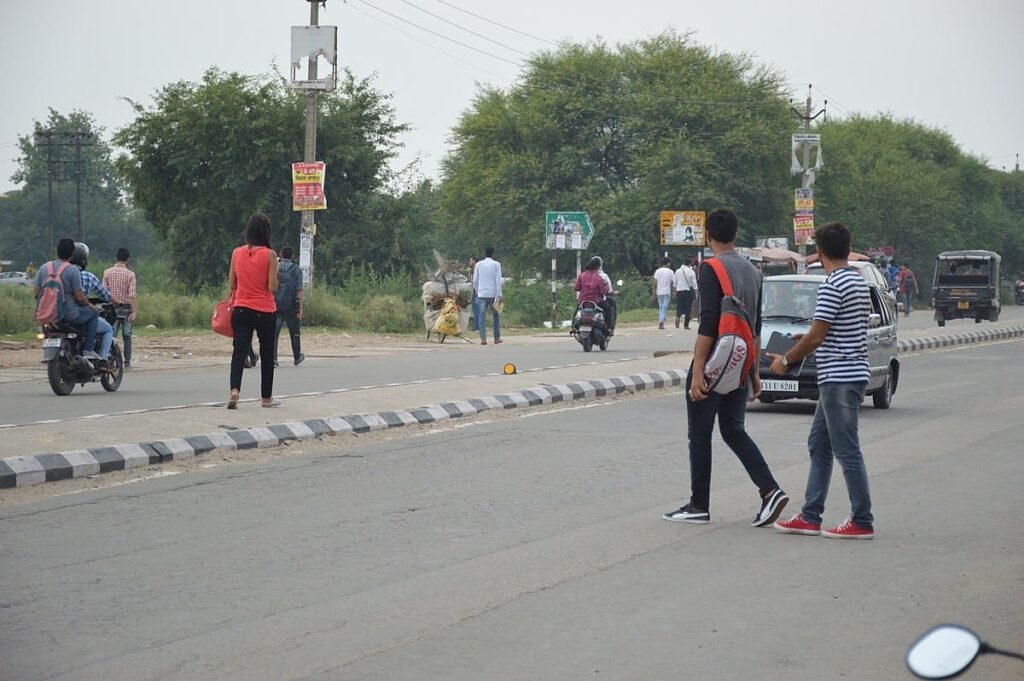
The Supreme Court’s comments have sparked a new debate about the plight of pedestrians across the country. In most cities in India, footpaths are either facing the problem of encroachment or their condition is so bad that people are unable to use them. As a result, millions of people have to walk on the road every day, increasing the risk of accidents.
Experts believe that in the last few decades, the focus of urban development has been mainly on road widening, flyovers and vehicular traffic. This often left the needs of pedestrians and cyclists behind. Whereas any modern and inclusive city is identified by how safe and convenient the pedestrian facilities are.
The way the court has linked the right to walk to life and liberty could form the basis for major changes in urban policies. If governments take concrete steps in this direction, new policies may emerge regarding the construction, maintenance and safety of footpaths.
Many urban planners say that promoting walking will not only reduce accidents but also provide benefits to both the environment and health. Walking for short distances will reduce pollution, save fuel and improve people’s health.
The rapidly increasing population and number of vehicles in many cities of India has complicated the traffic system. In such a situation, providing safe space for pedestrians has become not just a convenience but a necessity. The Supreme Court’s comments underline this need.
Legal experts believe that if a law is enacted to explicitly protect the right to walk, the accountability of local bodies and administrative agencies will also increase. This will enable effective action against illegal encroachments and other obstructions on footpaths.
Could the new law make India’s cities safer?
After the Supreme Court’s suggestion, the biggest question now is whether the government will actually make a new law to protect the rights of pedestrians. If this happens, it will be considered a significant change in the field of urban development and civil rights.
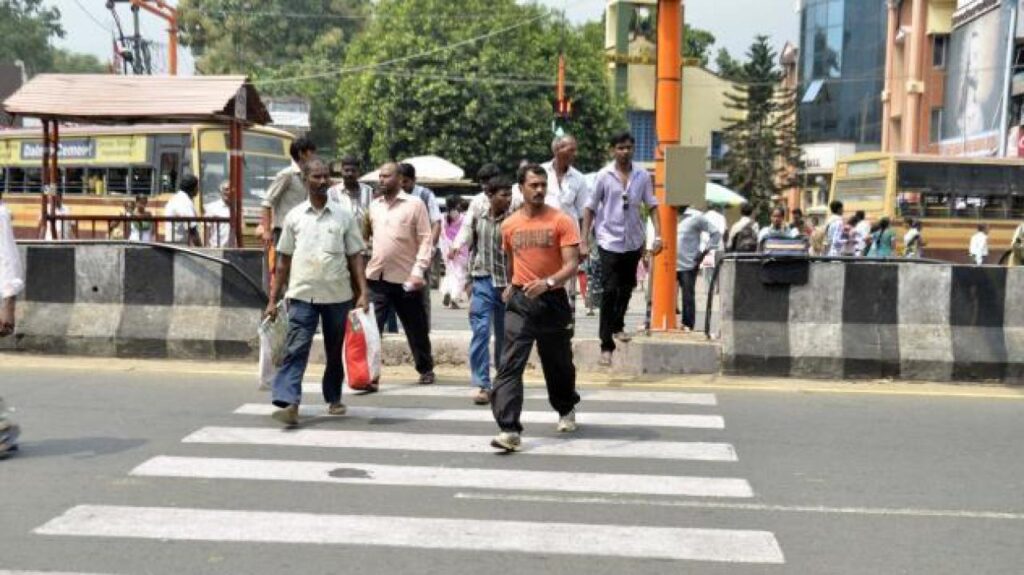
The potential law could cover issues such as minimum width of footpaths, encroachment removal procedures, disabled-friendly infrastructure and safety of pedestrian crossings. This will also clarify the responsibilities of the local administration.
Experts say that merely making laws will not be enough. For its effective implementation, better coordination will also be necessary between municipal bodies, traffic police and urban development agencies. There will also be a need to increase awareness among citizens to ensure both the use and protection of footpaths.
This comment of the Supreme Court gives an important message that the development of cities should not be based only on the convenience of vehicles but should also be done keeping the safety and dignity of the citizens at the centre. If concrete steps are taken in this direction, Indian cities can become safer, more inclusive and pedestrian-friendly in the coming years.