Table of Contents
What did Sepp Blatter say about the World Cup?
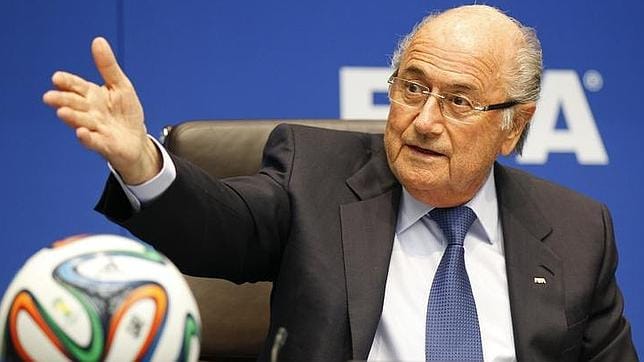
Former FIFA president Sepp Blatter has raised serious questions about the credibility of the World Cup. He said politics had influenced football so much that the credibility of the tournament was damaged. Blatter, while describing Spain’s victory as that of a “true champion”, also questioned the wider political implications of the World Cup. According to him, the increasing influence of politics on football’s biggest tournament has affected the basic spirit of the game.
Sepp Blatter’s statement brings this debate to the fore again. According to him, the influence of politics rather than sports started becoming more visible in the World Cup. This may also raise questions among fans as to whether sports and politics can be kept completely separate at major international sporting events.
Blatter was positive about Spain’s victory. He called the team ‘true champions’. But at the same time, he expressed concern over the organisation of the World Cup and the political situation surrounding it. The influence of politics in football is not a new issue. Hosting, organization, international relations and political differences between different countries have often been part of the discussion surrounding sporting events.
According to Sepp Blatter, why was the credibility of the World Cup questioned?
Sepp Blatter has linked his concerns about the World Cup to the growing influence of politics. He says that when political influence starts dominating the biggest stage of the game, the credibility of the tournament gets affected.
The World Cup has long been associated with sportsmanship and fair competition. Players and teams from different countries compete on this platform based on the sport. But when international politics, controversies and political interests get involved with sporting events, debates begin about their fairness. Blatter’s statement is important in this context. He described Spain as the “rightful champions” but added that politics had a profound impact on the World Cup. That is, his criticism is not related to Spain’s victory, but to the wider political climate of the tournament.
The question also arises whether in today’s times big sporting events can be kept completely separate from politics. Events like the World Cup are not just sporting competitions, but also have economic, diplomatic and political implications.
Why has the growing connection between politics and football become a matter of concern?
The relationship between football and politics has been discussed for many years. The hosting of major tournaments, the participation of countries and international relations are often influenced by politics outside the field of play. Events like the World Cup attract worldwide attention. Therefore, they can also be used to strengthen a country’s global image and increase political influence.
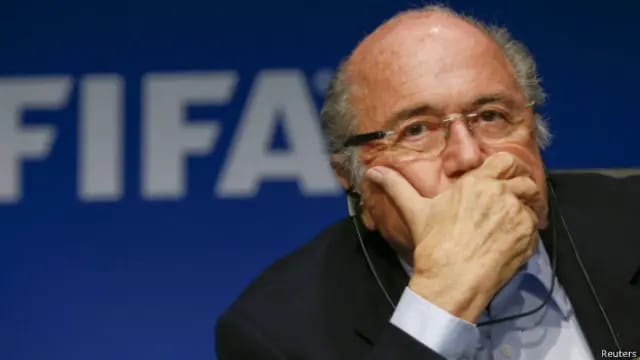
Sepp Blatter’s statement has once again raised the debate whether the increasing influence of politics is weakening the basic spirit of football. The most important aspects of sports for fans are competition and fairness. If political controversies consistently dominate the discussion of the game, it could impact viewer trust. This is why Blatter has expressed concern about the credibility of the World Cup.
However, it is not easy to completely separate football and politics. International sporting events are always linked to countries and institutions that have their own political interests.
What questions do Sepp Blatter’s comments raise for FIFA and the World Cup?
Sepp Blatter’s comments raise many questions about the credibility of the World Cup and the role of FIFA. The World Cup is considered the world’s biggest football tournament, so any controversy related to it is not limited to just one event. If politics consistently dominates decisions and discussions surrounding the game, doubts about fairness may arise among fans. Blatter’s statement highlights the concern that the spirit of football may be lost to political interests.
The biggest challenge facing FIFA is to maintain the independence of the game and its credibility. It is not possible to completely ignore political and economic interests in organising major international tournaments, but transparency of sporting decisions becomes extremely important. Despite calling Spain the ‘rightful champions’, Blatter’s criticism shows that the outcome of the tournament and the political atmosphere surrounding it can be seen differently.
What next, will politics further impact football’s credibility?
The influence of politics in football will remain a topic of debate in the future. Major events like the World Cup have such global significance that they are influenced by diplomacy and international politics as well as sport. The challenge for FIFA and other sports bodies will be to maintain the fairness and credibility of the game amid political pressures. Transparent decisions and clear rules can play a vital role in maintaining fan trust.
Sepp Blatter’s statement is a reminder that football’s popularity is not built solely on the on-field contests. Fans want the outcome of games to be determined by player performance and not let political controversies overshadow the identity of the game.
At present, this debate over the credibility of the World Cup once again brings to the fore the complex relationship between football and politics. It remains to be seen how international football bodies respond to this growing concern.