The story of Titan Company Limited is much more than just numbers and dates, it’s about how one Indian brand changed the way an entire country thinks about watches, jewelry, and even fashion. What started as a small joint venture in 1984 is now a lifestyle giant with a market value topping ₹3 lakh crore by 2026. Titan’s steady rise shows how bold ideas, trust, and perfect timing can transform a company and a country.
Table of Contents
The Beginning: Shaking Up the Watch Market (1984–1990)
Back in the mid-80s, Indian wrists mostly wore HMT’s mechanical watches bulky, old-school, and honestly, a little boring. Then came Titan, born out of a partnership between Tata Industries and TIDCO. Xerxes Desai, the founder, wasn’t afraid to dream big. Titan brought quartz technology to the market, which meant watches were slimmer, didn’t need winding, and looked a lot better.
A few highlights from these early days:
- In 1987, Titan’s first big ad campaign caused such a buzz that people actually brought the newspaper adverts into stores.
- By 1988, J.R.D. Tata opened the Hosur factory a place still known for quality today.
Pivoting to Jewelry: The Tanishq Move (1990–2000)
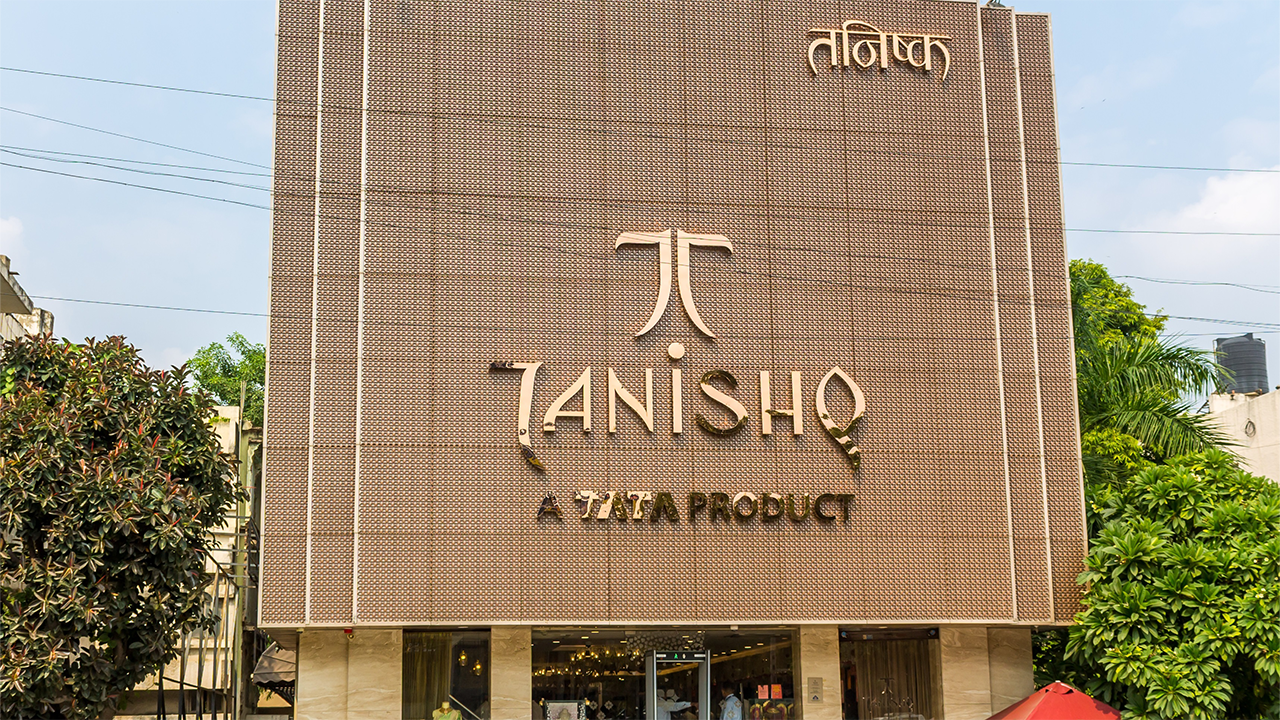
As the nineties rolled in, Titan had already conquered watches. But jewelry in India was still stuck in the past full of small, local stores and little transparency. Enter Tanishq in 1994. At first, it wasn’t a runaway hit; Titan was offering 18kt gold in Western styles, while most Indians wanted traditional jewelry. The big change came when Titan introduced the Karatmeter, a clever device that instantly tested gold purity. Suddenly, customers didn’t have to rely on the jeweler’s word; they could see the proof.
A Brand for Every Crowd: 2000–2015
Titan’s next big move was simple: give everyone something to love.
- Fastrack, which started as a sub-brand, soon became the go-to name for cool, affordable fashion accessories.
- Sonata was there for the budget-conscious crowd.
- Titan Eye+ followed Tanishq’s lead, testing and selling eyewear the right way.
By 2013, Titan wasn’t just a watchmaker anymore. The company rebranded itself as Titan Company Limited to reflect its growing reach across categories.
A New Era: Premium Products and Smart Tech (2015–2024)
With more Indians looking for quality and status, Titan pushed into the luxury market and embraced technology. Buying CaratLane opened the door to young, online jewelry shoppers. On the watches front, Titan kept innovating: the Edge and Raga collections kept them ahead in style, while smart wearables showed Titan wasn’t afraid of Silicon Valley competition. By 2024, Titan Edge even made it to the world stage at the Grand Prix d’Horlogerie de Genève.
A quick snapshot of where Titan stood in 2024-25:
- Consolidated revenue: ₹57,339 Crore
- Market Capitalization: ₹2.72 Lakh Crore
- Over 3,300 stores in 435+ towns
- Profit Before Tax: ₹4,535 Crore
Pushing the Limits: New Markets and Fresh Ideas (2025–2026)
Titan is not slowing down. By 2026, the company raced past ₹50,000 crore in annual revenue, and then added another ₹25,000 crore in just one year.
Some big new bets:
- beYon: Titan spotted the love for lab-grown diamonds and launched this new brand in 2025, blending luxury and affordability.
- Going Global: Tanishq went international, with 45 stores in the US, UAE, and Singapore by 2025 and targeting 75 by 2026.
- Moving Beyond Jewelry: Brands like Irth (handbags) and Taneira (sarees) are taking on markets that were once the turf of small neighborhood shops.
What Sets Titan Apart
So why has Titan worked so well? There are three big reasons:
- Consumer Trust: The Tata name stands for honesty, and tools like the Karatmeter helped prove it.
- Omnichannel Presence: Whether people shop online (CaratLane, World of Titan) or walk into a store, the experience feels the same modern, reliable, high-quality.
- Agility: Titan doesn’t sit still. It shifted product lines when the market needed it whether gold jewelry or smartwatches.
Here’s a fun fact: jewelry now makes up around 80% of Titan’s total revenue. For a company that started with watches, that’s quite a twist.
Key Moments in Titan’s Timeline
- 1984: The company starts with a dream.
- 1987: Quartz watches shake up the Indian market.
- 1994: Tanishq launches and the Karatmeter changes the jewelry game.
- 2003: Fastrack breaks out for the youth; Sonata becomes a mass-market favorite.
- 2007: Titan Eye+ enters eyewear.
- 2010: The company crosses $1 billion in annual revenue.
- 2016-2023: CaratLane bought, and Titan steps into smartwatches and ethnic wear.
- 2025-2026: Market cap hits ₹3 lakh crore, and beYon hits the market.
Conclusion
From a single factory in Hosur to a powerhouse of watches, jewelry, eyewear, and fashion, Titan is really the story of India’s growth. The company brought trust and style to everyday products, earning a place in almost every home. Today, Titan isn’t just selling things it’s shaping what a modern, confident India looks like. As 2027 approaches, there’s no telling what Titan will do next, but one thing’s clear: they’re not done surprising us yet.