Table of Contents
Supreme Court takes strict action on rape cases in Delhi-NCR
The Supreme Court has taken suo motu cognizance of the recent sexual crimes against women and minor girls in Delhi-NCR. Expressing serious concern over the security of public places, a bench of Justices JB Pardiwala and K. Vinod Chandran issued several directions to the Delhi Police and the concerned administrative agencies.
The Supreme Court said that parks, bus stands and other public places cannot become areas where people’s safety is endangered due to lack of adequate lighting, surveillance or police patrolling. The court has stressed on reviewing the ground situation of the existing security arrangements.
The Supreme Court also clarified that merely expressing concern is not enough. If any deficiency is found in the security system, there is a need to fix responsibility and take concrete steps for improvement.
Security audit of public places to be completed within four weeks
The Supreme Court has directed that a security audit of Delhi’s public parks and sensitive areas be completed within four weeks. In this, such places will be identified where lighting, CCTV, police patrolling or surveillance system is not adequate.
Delhi Police has been asked to form special teams for every district. These teams will inspect sensitive areas like parks, deserted areas, transport hubs, markets and around educational institutions.
The audit has also been asked to take into account past cases, local complaints, available crime data and local knowledge of the police. The aim is not only to take action after incidents, but also to identify potential risk points in advance.
A vulnerability map will be created for each district.
The court has directed the preparation of a separate vulnerability map for each police district in Delhi. In this, those places will be identified where the risk of crime is high or where shortcomings in the security system are continuously revealed.
This map has been asked to be shared with nearby police stations. With this, information limited to one police station area will also reach the police of other areas.
The court has also stressed on making citizens’ complaints a part of this process. Complaints regarding faulty streetlights, lack of CCTV or deserted roads have been asked to be investigated and included in the security plan.
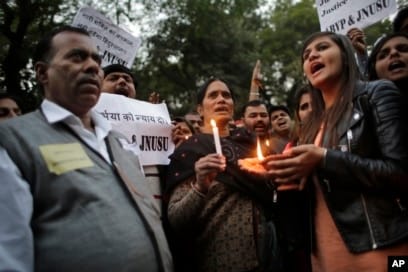
Police patrols will be increased in parks and sensitive areas.
The Supreme Court has directed that regular police patrols be ensured in all identified sensitive parks and public places. Special attention should be paid to security arrangements, especially during the evening and morning hours.
The order also states that a responsible officer should be appointed for every such place and the security arrangements should be reviewed from time to time. The police have also been asked to effectively implement measures like mobile check-posts and regular vehicle checking.
The court also said that security of public places is not limited to the responsibility of the police alone. Civil administration and infrastructure agencies will also have to improve lighting, CCTV and other essential facilities.
CCTV and streetlights will also be audited.
The security audit will examine the condition of CCTV cameras and lighting systems in public parks and sensitive areas. Instructions have been given to repair the damaged or non-functional cameras and lights soon.
Where CCTV or lighting arrangements are found to be inadequate, installation of additional facilities will also have to be considered. This audit will also be extended to public transport hubs like metro stations, bus stops, bus terminals and railway stations.
The court has also asked to take citizen complaints seriously. If security-related complaints are received repeatedly in any area, it can be included in vulnerability mapping and further security planning.
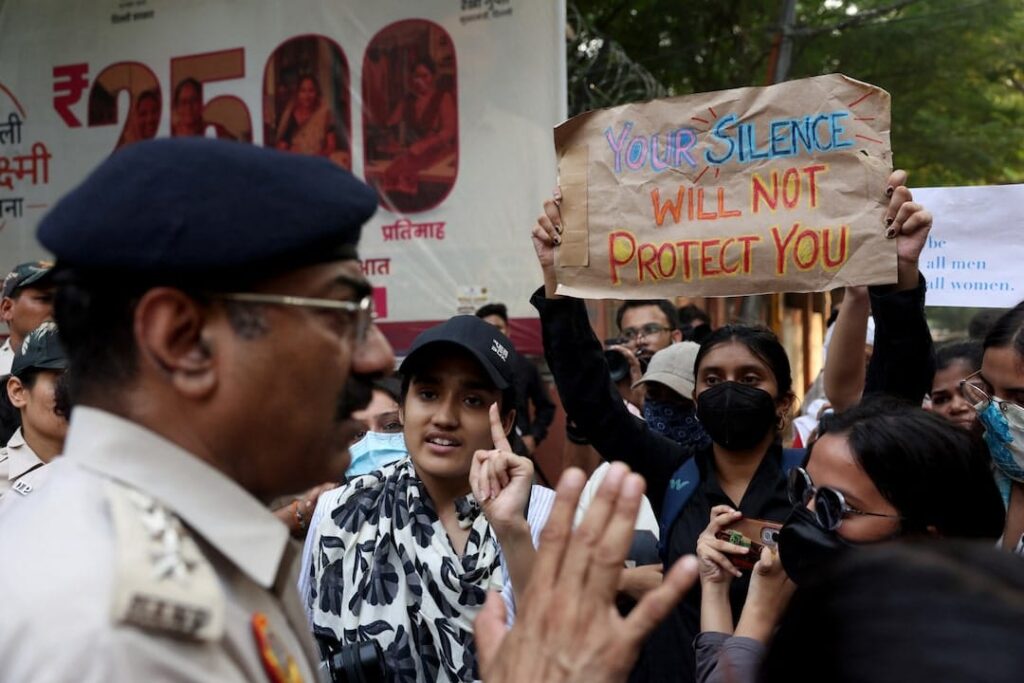
Reports also sought on fast track and POCSO courts
The Supreme Court has sought information from the Registrar General of the Delhi High Court regarding the fast track special courts and the POCSO special court. The report asks for details of the number of courts, pending cases, disposal of cases in the last three years and average time.
The court has also given directions to send the cases related to these recent incidents to the designated fast track court and expedite the hearing. The court said that there should not be unnecessary delay in hearing such cases.
In addition, the functioning of existing security mechanisms, helplines, and emergency systems related to sexual offenses will also be reviewed. This includes the 112 emergency system and the women’s helpline.
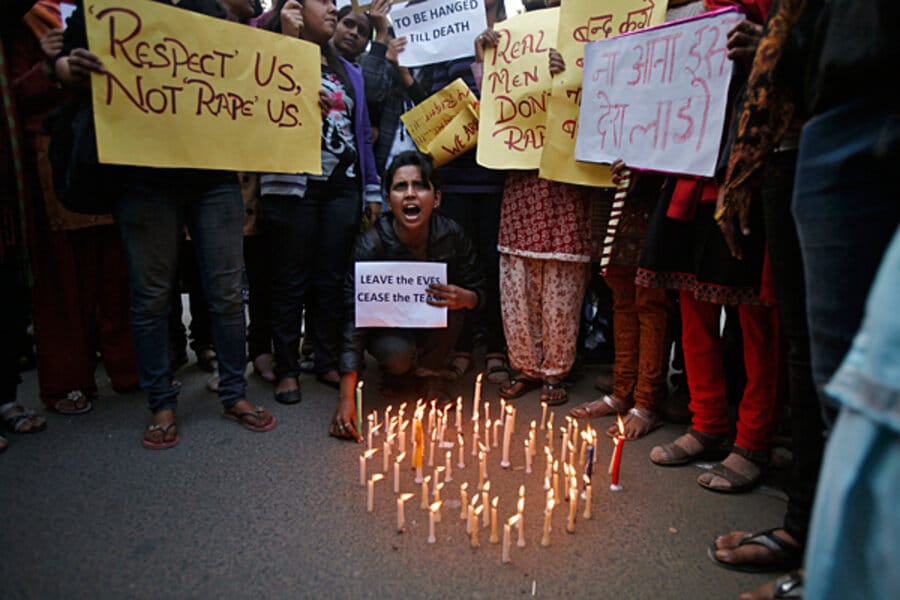
The next hearing will be held on October 5th.
The Supreme Court has issued notices to the Chief Secretary of the Delhi Government, the Delhi Police Commissioner, and the Registrar General of the Delhi High Court. Senior advocate Liz Mathew has been appointed as amicus curiae to assist the court in the matter.
This case has started after many sexual crimes have come to light recently in Delhi-NCR. The Supreme Court clarified that it was not deciding individual culpability in any one case at this stage, but was considering broader institutional questions related to public safety.
The next hearing in the case will be held on October 5. By then, the concerned agencies will have to submit their reports on the security audit and existing arrangements before the court.