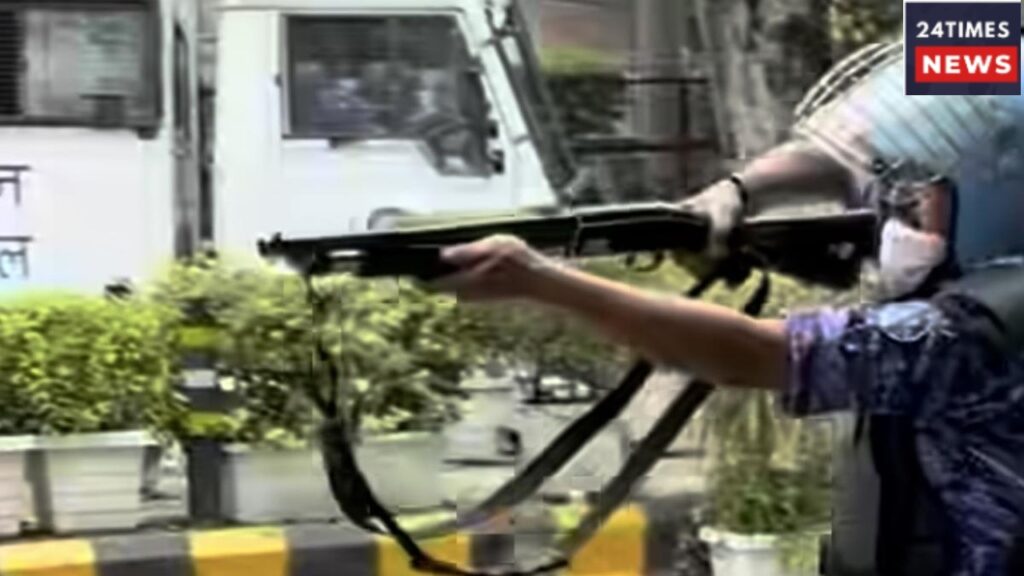
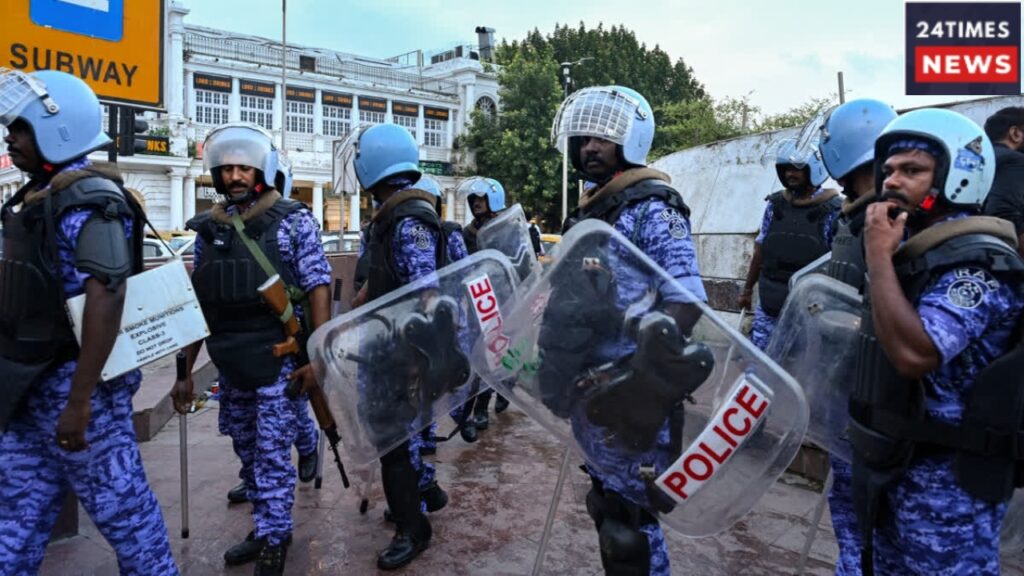
New Delhi: The situation in Delhi deteriorated during a ‘Parliament March’ organised by students under the banner of the ‘Cockroach Janata Party’. To bring the protesters under control, the police resorted to lathi charges, water cannons, tear gas shells, and the use of metallic pellet guns. A major question remains: who ordered the Delhi Police to use pellet guns?
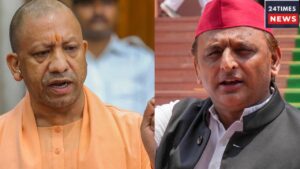
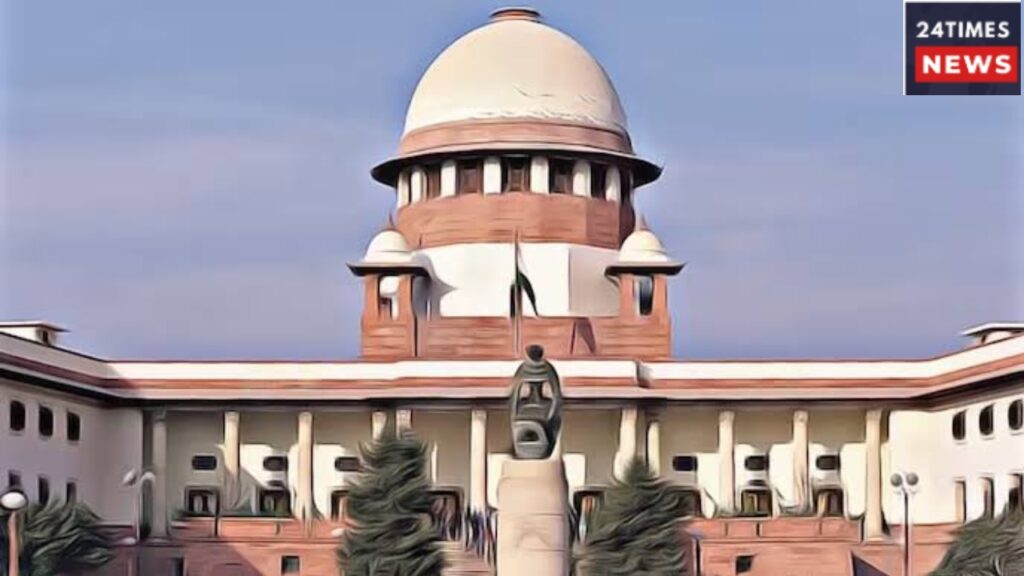
Opposition political parties are raising this issue vociferously. Meanwhile, the Supreme Court has also issued a notice to the Central Government regarding their use. A hearing took place in the Supreme Court concerning the alleged use of metallic pellet guns during the protest. The Court made strong observations while hearing a petition filed by former Intelligence Bureau Special Director Yashovardhan Azad and two protesters who had been hit by pellets.
Supreme Court Questions the Central Government
During the hearing on Thursday, the Supreme Court posed pointed questions to the Central Government. The Court asked what the Standard Operating Procedure (SOP) regarding the use of pellet guns is. The Court directed that the procedure followed for the use of force be placed on record. During the proceedings, Senior Advocate Vrinda Grover, representing the petitioners, stated that metallic pellets were extracted from the bodies of students injured at the Jantar Mantar protest, even though the Delhi Police’s SOP mentions less lethal alternatives such as rubber bullets and plastic pellets.
It was argued that there was no authorisation for the use of metallic pellet guns and that the established ‘graded response’ for the use of force was not followed. In response, the Apex Court directed the Delhi Police to submit the standing orders and the complete record of the procedure regarding the ‘graded use of force’.
The Court clarified that if the petitioners wished to challenge the rules and the policy on the use of force in their entirety, they would need to amend their petition. At the same time, the Court indicated that it might also examine the validity of the graded use of force mechanism and its associated protocols.
Use of Pellet Guns Deemed Improper
A petition filed in the Supreme Court states that the use of pellet guns to disperse crowds violates constitutional values. The petition also seeks a ban on the use of pellet guns, as well as compensation and assured medical treatment for all those injured during the protest on July 20.
The petitioner argued that using pellet guns against peaceful protesters is not only disproportionate but also completely contrary to constitutional values. During the hearing, the Court directed Lady Hardinge Hospital to provide necessary medical care to the petitioner—who had sustained pellet injuries—and to others injured in the same protest. Meanwhile, the Central Government assured the Court that medical records and other essential documents related to the investigation would be preserved securely.