Table of Contents
Why has the increasing influx of migrants into Ceuta sparked debate?
The arrival of a large number of migrants in Ceuta, Spain’s autonomous region in North Africa, has once again sparked debate over immigration policy in Europe. Images of thousands of people from Morocco briefly entering Ceuta have drawn attention not only to Spain but to the whole of Europe.
Ceuta is geographically located in Africa, but it is part of Spain and the European Union. This is why every activity taking place here also impacts Europe’s border security and migration policy. Following recent developments, several European countries have increased surveillance on their borders with Spain.
Italy has temporarily suspended the check-free travel arrangements available under the Schengen Agreement. Along with this, some other countries have also started additional investigation of people coming from Spain. These moves have sparked new debates in Europe on migration and border security.
US President Donald Trump also responded to the issue, attempting to link the surge in migrants in Ceuta to the upcoming midterm elections in the US. However, many political analysts in Spain and Europe believe that the issue is primarily about regional migration and border management.
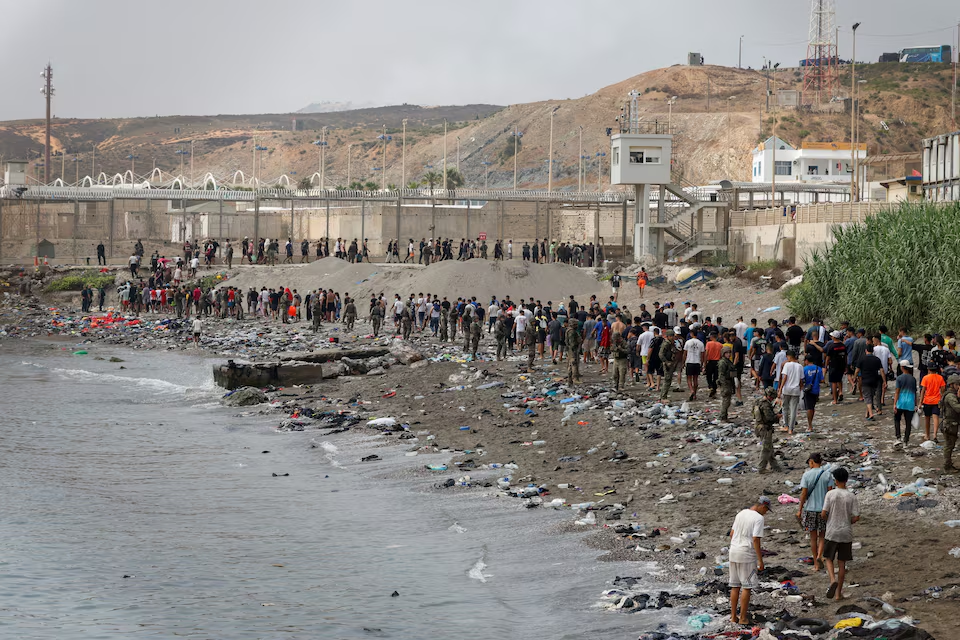
Are the questions raised about Spain’s migration policy justified?
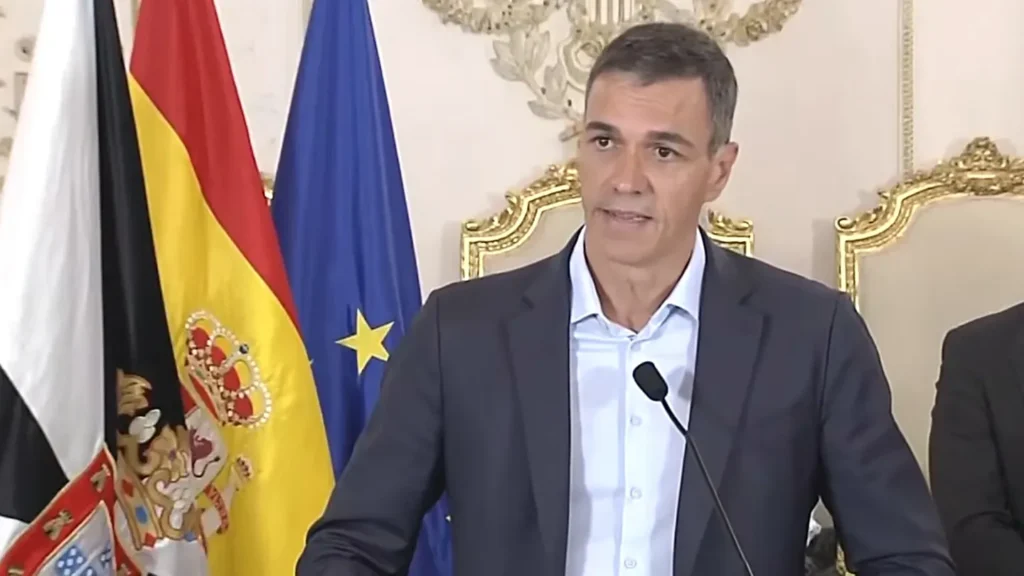
Spain has long been considered one of the European countries with a relatively liberal migration policy. The government says that maintaining a balance between border security and humanitarian responsibilities is its priority. But following recent events, the opposition and several European countries have questioned the effectiveness of this policy.
Analysts believe that the sudden increase in the number of migrants in Ceuta is not solely the result of Spanish policy. Regional conditions, relations with Morocco, economic challenges and changing routes of migration are also considered important reasons behind this. The growing political polarization in Europe has also made the issue more sensitive. Border security is being made an election issue in many countries, while some governments are advocating a humanitarian approach.
At present, the situation in Ceuta has once again raised the question of how Europe should balance security and humanitarian responsibilities. In the coming period, Spain’s policy and the EU’s joint strategy will determine the direction of this debate.
Why did such a large number of migrants suddenly arrive in Ceuta?
After the arrival of a large number of migrants in Ceuta, the most discussed question is how this situation suddenly arose. Experts believe that there is not just one reason behind this, but many regional and international circumstances are responsible. Border management between Morocco and Spain, economic challenges, the search for a better life and employment, and the changing routes of migrants trying to reach Europe are among the key factors influencing this development.
Although Ceuta is located on the African continent, it is also an external territory of the European Union, being part of Spain. For this reason, any unusual activity here affects the border security system of the entire Europe. Following recent events, several European countries have increased their border surveillance and begun fresh discussions on immigration policy.
Analysts say such incidents are not just a matter of border security, but are also linked to broader patterns of economic inequality, regional instability and international migration. Therefore, a solution to this crisis is not seen as achievable through security measures alone.
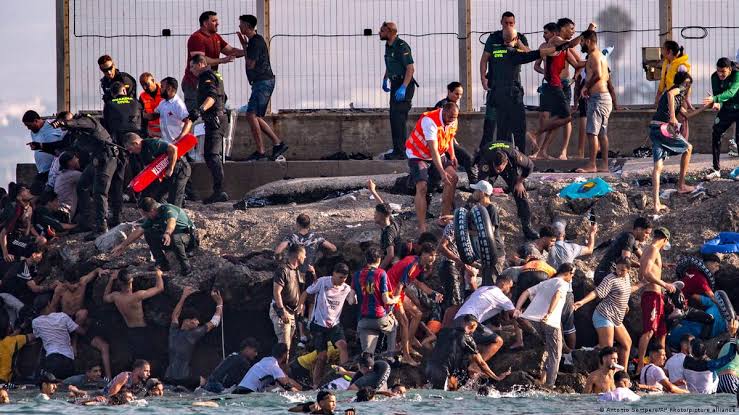
Why did it become a big issue in European politics?
The surge in migrants in Ceuta has brought immigration and border security back to the forefront of European politics. Many European countries already have political differences over migration policy. In such a situation, this development gave an opportunity to various governments and political parties to clarify their respective positions.
Italy’s temporary tightening of border controls under the Schengen system is seen as a sign that many countries are taking the situation seriously. Some countries believe that the security of the EU’s external borders needs to be further strengthened, while on the other hand many leaders are insisting on adopting a humanitarian approach and protecting the rights of asylum seekers.
The issue also gained international political debate after comments by US President Donald Trump. However, many analysts say that it would not be appropriate to link the situation in Ceuta to the domestic politics of individual countries, because local and regional reasons are more influential behind it.
Political experts believe that in the coming times, the European Union may have to prepare a new strategy regarding border security, migration policy and coordination between member countries. This is why this issue is no longer limited to Spain, but has become a common challenge for the entire Europe.
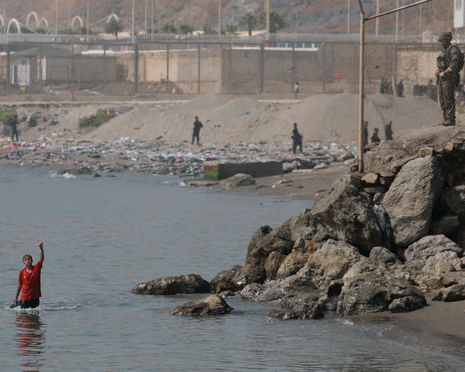
What could be the future impact on Spain’s migration policy?
Following the events in Ceuta, pressure on Spain’s migration policy is expected to increase. On the one hand, the government is talking about a humanitarian approach and following international obligations, while on the other hand, the opposition and some European countries are demanding border security.
Experts believe that Spain may have to further strengthen its border management system, monitoring mechanisms and coordination with Morocco in the future. Along with this, discussions on a common policy to deal with such incidents may also intensify at the European Union level.
However, many experts also say that security measures alone will not be enough. The root causes of migration, such as economic inequality, unemployment, regional instability, and humanitarian crises, must receive equal attention. If these root problems are not addressed, similar situations may resurface in the future.
At present, the events in Ceuta have become an important test for Europe. It remains to be seen how Spain and the EU balance security, humanitarian responsibilities and political pressures.