Table of Contents
Overview of Solana’s Market Resilience on October 25, 2026
Solana (SOL) made its presence felt in the crypto market this Sunday, October 25, 2026. Compared to other Layer-1 smart contract platforms, Solana proved itself as a strong contender, managing to hold its value even when the broader market saw prices dip. During the day, Solana’s price floated between $105.80 and $107.85 (which is roughly ₹9,938 to ₹10,245 for those following the Indian rupee). Even with fewer trades happening a common trend on weekends and especially after some recent swings in global stock markets Solana stayed solid. Traders saw the coin hang around $106.50 for much of the session.
Now, when you look at the bigger picture, most cryptocurrencies faced losses over the past month, with declines between 4.8% and 5.2%. But Solana stood out, posting gains of around 2.15% to 3.4%. The price zone between $103.50 and $105.00 turned into a battleground, but buyers kept stepping in each time prices dipped, showing real demand. As a result, Solana’s market capitalization hovered around $62.4 billion to $64.8 billion, making it the seventh-largest crypto by total value with about a 3.1% market share.
What Fuelled Solana’s Performance?
Solana’s positive momentum wasn’t by chance. Three big developments played a role:
1. Alpenglow Mainnet Upgrade: Faster Transactions
Solana recently rolled out its long-awaited Alpenglow consensus upgrade. What does that mean in plain words? Faster transactions. The network now finalizes transactions in about 150 milliseconds, opening the door for high-frequency trading and everyday micro-payments. This tech boost bolstered confidence among both retail and institutional traders.
2. On-Chain Growth: More Transactions and Stablecoin Strength
Solana’s network activity kept climbing. Non-vote transactions (regular, everyday activity on the blockchain) stayed strong, with more than 8.92 billion transactions recorded in the prior quarter. That’s not just a big number for bragging rights it gives the whole ecosystem depth and trust. The total amount of USDC stablecoins sitting on Solana remained at $17.81 billion, providing the fuel (liquidity) that decentralized finance applications and exchanges need to keep running smoothly.
3. Global Expansion: ETFs and Mobile Access
Solana hasn’t just been sitting tight in the US or Europe. There’s been a wave of institutional interest, especially in Asia. Hong Kong’s Pando Spot Solana ETF (ticker: 2831.HK) drew big money, and Solana got another boost as Samsung integrated native support for Solana wallets on over 82 million Galaxy phones in the US. That means more people than ever can hop into the Solana ecosystem right from their mobile devices.
Day’s Trading Details: What Happened on October 25?
Sunday trading showed the usual weekend patterns: lighter trading volumes (around $2.15 billion USD in 24 hours) with prices sticking close within a narrow range. At its lowest, Solana hit $105.80. Buyers came in and kept pushing it to an intraday high of $107.85 before it settled in the middle.
Here’s a quick look at the day’s most important numbers:
- Spot price: $105.80 to $107.85 (₹9,938 to ₹10,245)
- Market cap: Around $64.2 billion (₹5.42 trillion)
- 24-hour price change: Gain of 0.85% to 1.45%
- 30-day return: Positive move of 2.15% to 3.4%
Trading volume was moderate, which probably helped Solana avoid any wild price swings sometimes, less can be more.
Why Did Solana Hold Up So Well?
Three things made the difference:
- The Alpenglow upgrade made transaction confirmations so fast that high-frequency trading (the kind Wall Street likes to see) and real-time micro-payments suddenly felt possible in a way that rivals can’t match.
- All that USDC (a reliable stablecoin) means deep liquidity, letting big players move in or out without creating chaos.
- Hong Kong’s ETF and the Samsung Galaxy integration added to the buzz, encouraging both investment and user adoption.

Technical Analysis: Support, Resistance, and What’s Next?
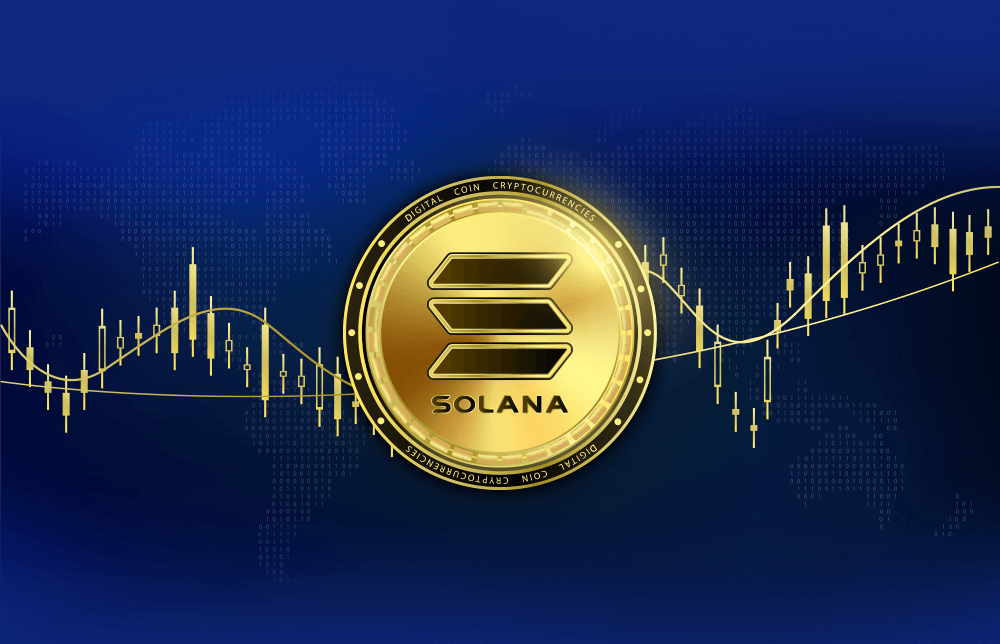
Traders always want to know where prices might go next. Right now, Solana managed to stay above important support at $103.59, while resistance forms just above at about $108.85 (the 50-day simple moving average, which traders often use as an indicator for trend changes). If Solana pushes above that line, it could open the door to further gains, with the next targets at $118 and then $135.
Other indicators are looking steady. The 14-day Relative Strength Index (RSI) sits at 52.4, suggesting gentle bullish momentum not overheated, but not weak either. Funding rates for perpetual swaps on big exchanges like Binance, Bybit, and OKX are neutral, which hints that spot buying (actual purchases of SOL) is keeping the price afloat, not just risky leveraged trades.
Key Support and Resistance Levels to Watch
- Immediate resistance: $108.85
- Higher resistance: $118 and then $135
- Closest support: $103.59
- Lower support: $96.50 and $88
The picture is pretty clear the battle is between $103.59 on the lower side and $108.85 at the top. Which way Solana breaks will set the tone for the next few weeks.
Derivative Markets: Healthy Signs
It’s not just the spot market where Solana looks solid. Open interest (the amount of futures contracts outstanding) sits at $1.42 billion, which means solid participation but without a lot of speculative excess. Liquidations (forced sell-offs) were less than $850,000 over the day, which is a good sign nobody’s getting wiped out, and the market seems balanced.
Also, more than 31% of all staked SOL runs through liquid staking solutions like JitoSOL, mSOL, and bSOL. That means users can earn yield while keeping their collateral active in decentralized finance apps efficiency and flexibility in one.
Looking Forward: What Might Happen in November?
The rest of October and the approach to November offer three possible scenarios for Solana:
Bullish Expansion
This is the best-case outcome for Solana fans if SOL can close above $108.85 and keep attracting big investors (especially from Asia-Pacific ETFs), the price could reach for $118, with long-term targets as high as $135.
Base Consolidation
Solana could just keep moving sideways for a while, staying in the $103.59 to $108.85 range. This wouldn’t be a bad thing. Sometimes markets need time to “digest” big moves before going higher or lower, especially with questions about global interest rates looming.
Bearish Retest
If there’s unexpected bad news in the broader market or crypto sector, and Solana drops below $103.59, there’s a risk of seeing a pullback to $96.50 or even $88. Looking at how the market’s been behaving, this isn’t the most likely scenario, but it’s something traders should watch.
Quick Reference Table: Solana’s Key Stats (October 25, 2026)
| Parameter | Value | Meaning |
|---|---|---|
| Spot Rate (USD) | $105.80 – $107.85 | Holding steady above $105 |
| Spot Rate (INR) | ₹9,938 – ₹10,245 | For Indian market watchers |
| 24-Hour Change | +0.85% to +1.45% | Better than many competitors |
| 30-Day Return | +2.15% to +3.40% | Outperformed most altcoins |
| Upgrade Status | Alpenglow Live | Transactions now ~150ms |
| Support Levels | $103.59 / $96.50 / $88.00 | Areas where buyers may step in |
| Resistance Levels | $108.85 / $118.00 / $135.00 | Where sellers might appear |
Final Thoughts
Solana’s weekend wasn’t flashy, but it was solid. While other blockchains looked a bit shaky, Solana showed stability and even managed to nudge higher during a challenging month for crypto as a whole. New tech upgrades, stronger on-chain activity, and growing global connections (especially in Asia and through mobile platforms) all point to a healthy, adaptable network.
Still, it’s always important to remember that crypto markets can swing quickly, and Solana, like every digital asset, carries risks. Stay updated, keep learning, and make decisions with all the facts on hand.
That said, if Solana keeps showing this kind of resilience and innovation, it’s likely to keep its place as one of the top coins to watch heading into the final stretch of 2026.