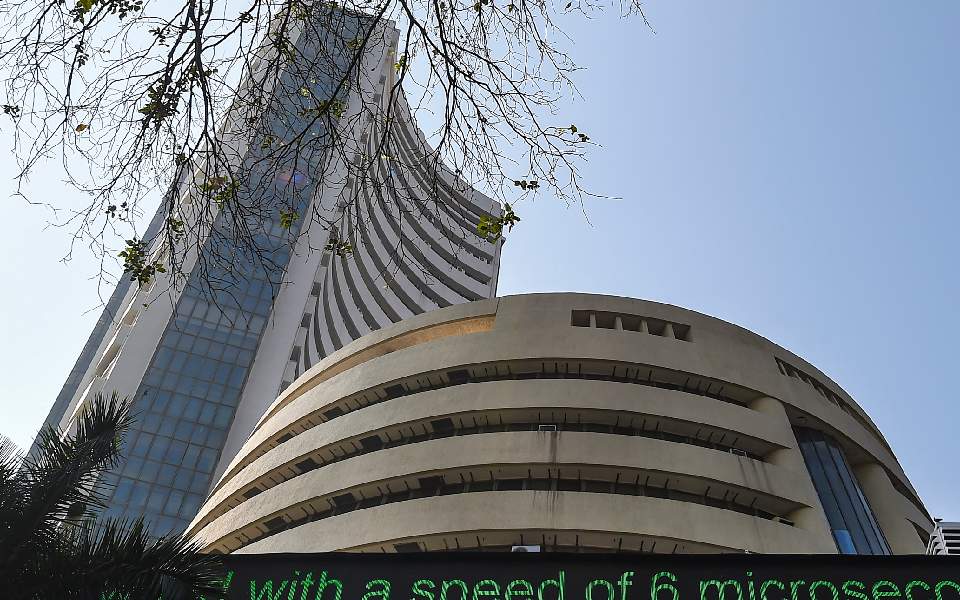
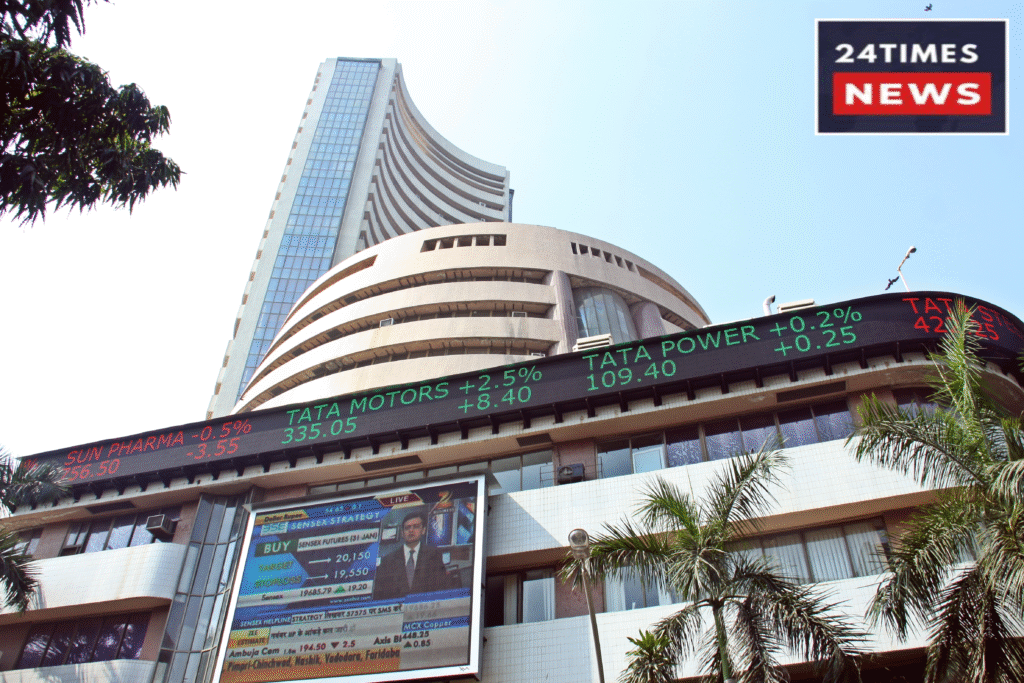
Indian stocks took a sharp nosedive on May 29, 2026. By the end of the day, the Sensex had lost over 1,000 points, finishing at 74,775.74. The Nifty wasn’t spared either, sliding to 23,547.75. Both indices posted losses of around 1.5% and wrapped up the month in the red. The mood was tense people were uncomfortable, and the sell-off hit nearly every corner of the market.
Table of Contents
Why Stocks Fell So Hard
Several issues weighed heavy on traders’ minds. The biggest? Worries about a weak monsoon. Reports hinted that rainfall this year might not hit usual levels, and that spells trouble for agriculture. Since a big chunk of India’s economy depends on rural demand, investors got spooked. There’s also the nagging fear of food inflation cropping up if the monsoon disappoints.
Global news wasn’t helping either. Ongoing tensions between the US and Iran kept everyone edgy. Even though talks about a possible ceasefire surfaced, markets stayed worried about the wider impact. Foreign investors continued to pull out cash, which made the rout even worse. On top of that, MSCI rebalancing forced big funds to shuffle their portfolios, creating volatility, especially in heavyweight stocks.
Who Got Hit the Hardest
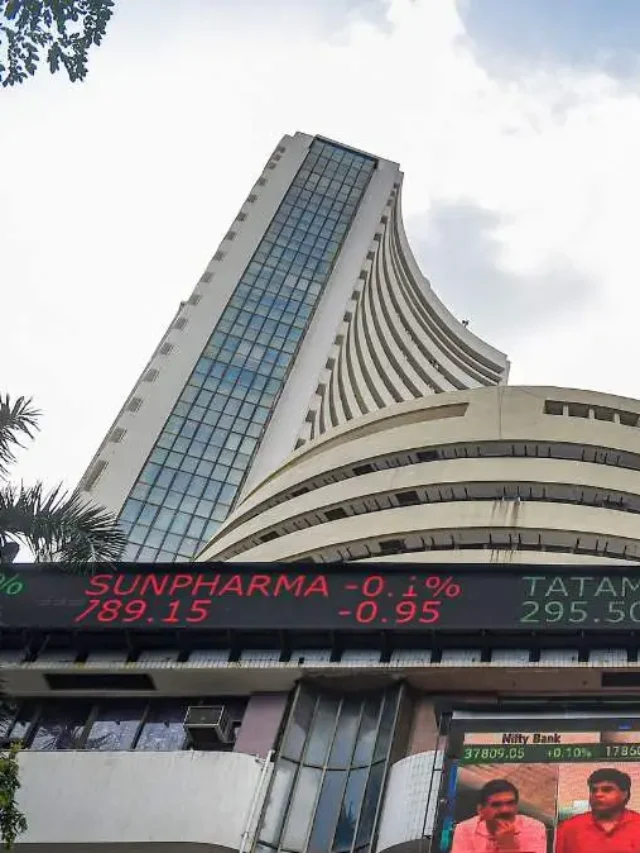
Banking and financial stocks were the main casualties. Big banks saw heavy profit booking, which dragged both Sensex and Nifty down. These stocks hold a lot of weight in the benchmark indices, so their fall had a snowball effect.
Oil and gas companies also struggled. Some, like ONGC, plunged sharply, while Reliance Industries slipped about 7.7% for the month. Investors didn’t feel confident in energy stocks, especially with global uncertainty hanging over them.
FMCG stocks weren’t spared either, thanks to fears about rural demand and inflation risks tied to the unpredictable monsoon.
IT stocks? Mixed bag. Wipro managed to notch gains even as other sectors got hammered. Metal stocks, especially those dealing with aluminium and industrial metals, stayed relatively strong because global commodity demand was holding up.

Top Winners and Losers
Adani Enterprises came out on top, soaring about 22% in May after some positive news from the US.
On the flip side, some big names really suffered:
- Reliance Industries: down 7.7%
- ONGC: down 11.4%
- ITC: down 8.9%
These drops pulled the overall market lower, especially since they’re such heavyweights.
The Rupee’s Tough Day
The Indian rupee struggled throughout the session, coming dangerously close to record lows against the US dollar. Reports suggest the Reserve Bank of India stepped in through state-run banks to prevent further weakness. Currency stability matters a lot when the rupee stumbles, import costs jump, inflation can rise, and foreign investment often dries up.
Technical Picture
Right now, the Nifty is hanging near some key support levels. If buyers don’t return soon, there could be more downside. Here’s how the numbers look:
- Nifty’s immediate support is at 23,500, with stronger support at 23,300 and 23,000. Resistance zones are set at 23,750, 24,000, and 24,250.
- Sensex sees support at 74,500, 74,000, and 73,500, while resistance sits at 75,500, 76,000, and 77,000.
May Recap: Weak Month for Big Stocks, Stronger for Small Caps
Overall, it wasn’t a good month for the big names. Nifty dropped 1.9%, Sensex fell 2.8%. But interestingly, mid-cap and small-cap stocks did much better, thanks to upbeat earnings and strong local buying.
Current Sentiment: Cautious but Not Completely Negative
Most investors are still wary, but they’re not outright bearish. India’s economy is backed by solid domestic demand, ongoing infrastructure projects, manufacturing growth, and more people investing. Monthly SIP inflows continue to support the market.
Everyone’s watching a few key factors:
- Monsoon progress
- Crude oil prices
- Actions of foreign investors
- RBI policy signals
- World politics
What to Expect Next
Markets closed on a grim note, battered by global worries, weak rainfall forecasts, and continued selling by foreign investors. But there’s still hope broader participation is steady in select pockets. The next few weeks are critical. Traders will keep an eye on support zones, world events, and domestic trends to figure out where Dalal Street heads from here.