Table of Contents
What are the three fronts of agitation before the government in the NEET controversy?
The protest of students regarding NEET paper leak is continuing. The anger of the students protesting on the streets does not seem to be subsiding. Amidst increasing pressure, the Central Government is now trying to control the situation. Amidst the movement, the government first took steps towards ending the fast of Sonam Wangchuk. This certainly provided relief to the government regarding a prominent face of the movement, but the controversy did not end completely.
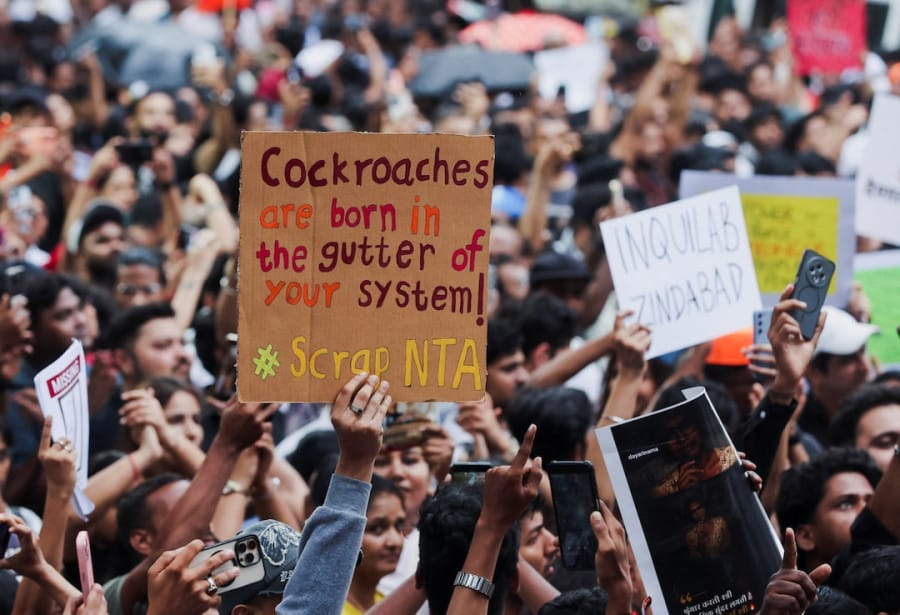
Opposition parties including CJP and Congress are still protesting against the government over the students’ issue. This is the reason why the government now has many different fronts to handle the movement. The first front is of the students. The anxiety and anger of the students regarding the NEET exam continues. Paper leaks and questions related to the examination process have created a feeling of insecurity about their future.
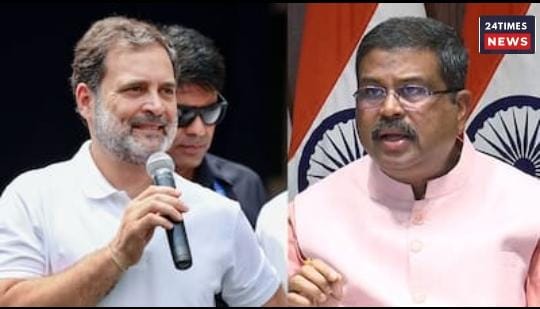
The second front is of CJP. The organization is demanding the resignation of Education Minister Dharmendra Pradhan. CJP president Abhijit Dipke has made it clear that nothing less than resignation will be accepted. The third front is of opposition politics. The Congress and other opposition parties are protesting against the government and making the NEET controversy an issue of political accountability.
The challenge for the government is how to handle these three fronts simultaneously. The end of Sonam Wangchuk’s fast may be a sign of relief for the government, but the opposition from CJP and Congress has not allowed the movement to end completely. The government is now trying to do damage control. But the demands of the agitators are different and it will not be easy to satisfy all the parties simultaneously.
The CJP is adamant on demanding resignation, the Congress is pressuring the government for accountability and students want a clear solution to the examination system. In such a situation, the government is not only facing the challenge of ending the protests. He will have to restore the confidence of the students and also face political opposition.
Now the biggest question is whether the government will be able to find a solution through talks with CJP and Congress or the agitation and political conflict over the NEET controversy will continue.
What are the three different challenges facing the government in the NEET movement?
The ongoing agitation over NEET paper leak is no longer limited to students’ protests. Three distinct fronts appear to be emerging on the issue, including student agitation, CJP protests and political activism by opposition parties, including the Congress.
The first and most important front is that of the students. The controversies surrounding the exam have created anxiety among millions of students and their families. Students demand that there should be clarity regarding the examination process and responsibility should be fixed. The second front is of CJP. The organization has made the demand for the resignation of Education Minister Dharmendra Pradhan its main demand. CJP president Abhijit Dipke says nothing less than resignation will be accepted.
The third front is of Congress and other opposition parties. The opposition is putting political pressure on the Centre by linking the NEET controversy to the government’s accountability and the future of students. The demands of these three fronts are not completely the same. Therefore, it may be difficult for the government to handle the movement with a single strategy.
How much relief did the government get from the end of Sonam Wangchuk’s fast?
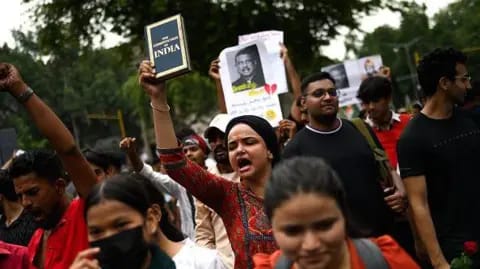
The end of Sonam Wangchuk’s fast can definitely be considered a sign of relief for the Central Government. The government may hope that the intensity of the protests will reduce due to the withdrawal of a prominent face of the movement.
However, this has not ended the entire controversy. Opposition parties including CJP and Congress are still continuing their agitation and protests. This is why the challenge remains before the government. Despite attempts at a solution on one front, protests continue on other fronts. The government can now try to control the situation through talks and political dialogue. But the CJP’s demand for the resignation of the Education Minister and the political activism of the opposition may make this process difficult.
The government’s strategy in the future will depend on how it balances the concerns of the students, the demands of the CJP and the political pressure of the opposition. At present, despite the end of Sonam Wangchuk’s fast, the NEET movement has not completely calmed down.
What are the difficulties facing the government in talks with CJP and Congress?
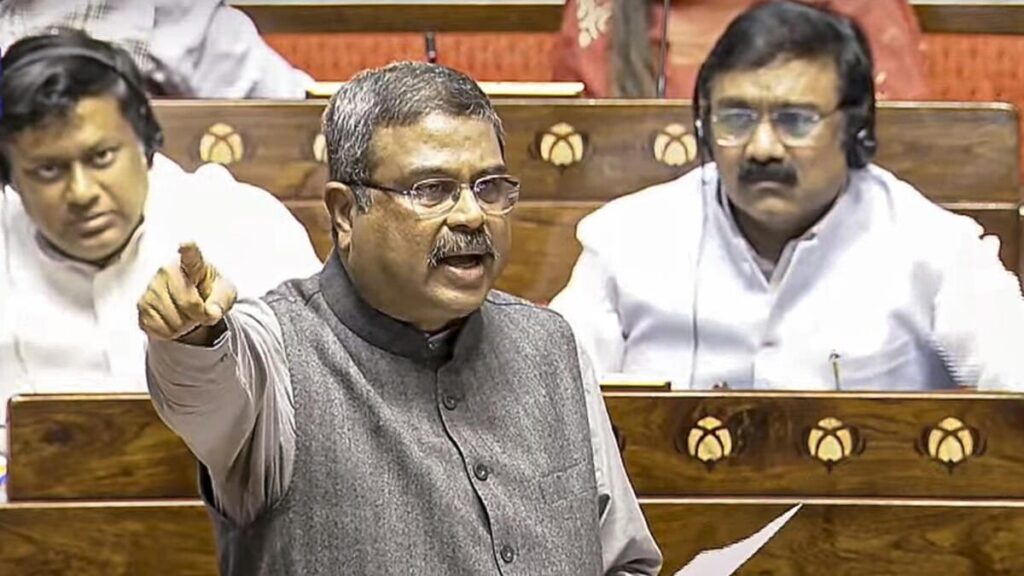
The biggest problem facing the government regarding the NEET controversy is that the nature of the demands of CJP and Congress is different. While the CJP is demanding the resignation of Education Minister Dharmendra Pradhan, the Congress is pressuring the Centre by linking the issue to the future of students and the accountability of the government.
In such a situation, it will not be easy for the government to satisfy all the parties through a single discussion. The demands of the students can be resolved at the administrative level, but the demand for the resignation of the Education Minister is directly linked to political responsibility.
The government also faces the challenge that if it compromises with one party, the opposition from the other party may intensify. Therefore, the Centre will have to strike a balance between dialogue and action.
What next, will the government be successful in calming down the NEET movement?
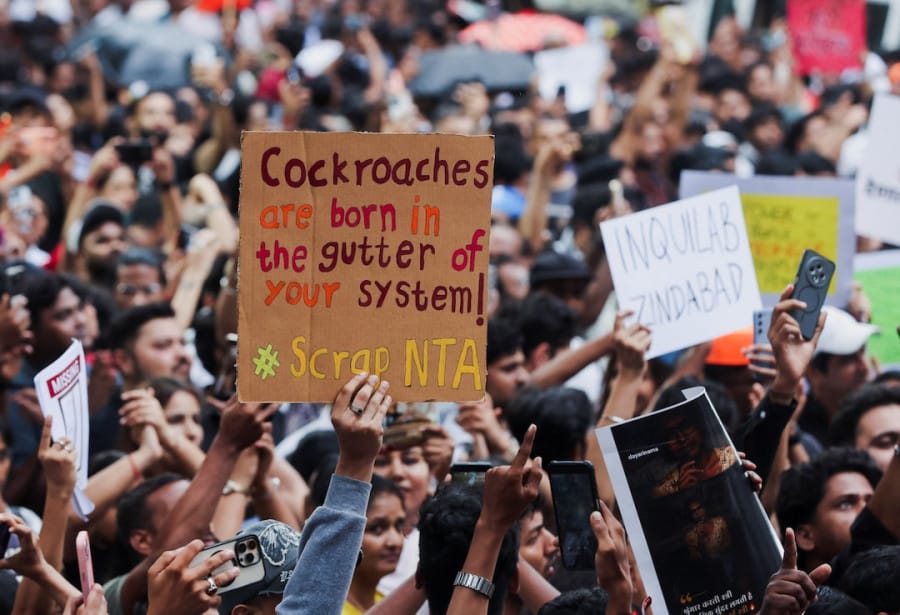
To quell the NEET agitation, the government will have to take concrete steps instead of relying only on political rhetoric. Clear answers to students’ concerns and transparency regarding the examination process will be most important.
The end of Sonam Wangchuk’s fast may be a positive sign for the government, but the continued opposition by CJP and Congress remains a challenge. If the government starts talks with the protesters and takes a clear stand on their demands, the chances of controlling the situation may increase. But if there is no dialogue, the movement and political conflict may drag on.
The government’s strategy in the coming days will focus on how it restores the confidence of the students and how it takes forward the talks with the CJP and the opposition. At present, the NEET movement is going on on three different fronts. The government has certainly achieved relief on one front, but the challenge of negotiations with the CJP and Congress still remains.