Navratri 2025: Dates, Significance, and Celebrations
Navratri, meaning “nine nights,” is one of the most eagerly awaited Hindu festivals. In 2025, Sharad Navratri begins on Monday, September 22 with the Ghatasthapana (Kalash Sthapana) ritual and concludes on Thursday, October 2 with Vijaya Dashami (Dussehra), according to Drik Panchang. Interestingly, Navratri in 2025 spans ten days instead of the usual nine due to a unique alignment in the lunar calendar, offering devotees more time for devotion and celebration.
Mythological Significance
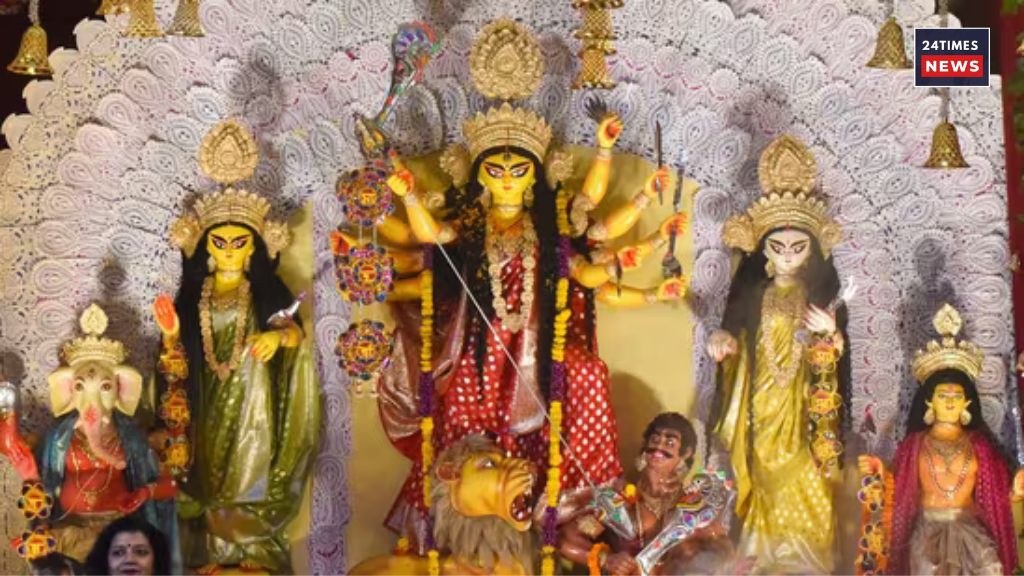
Navratri’s origins trace back to the story of Goddess Durga and the demon Mahishasura. Mahishasura terrorized heaven and earth, and even the gods could not defeat him. Their combined energies manifested as Goddess Durga, who battled Mahishasura for nine days and nights, finally defeating him on the tenth day. This epic symbolizes the eternal victory of good over evil, wisdom over ignorance, and virtue over pride, as described in texts like the Devi Mahatmya in the Markandeya Purana.
Cultural and Spiritual Importance
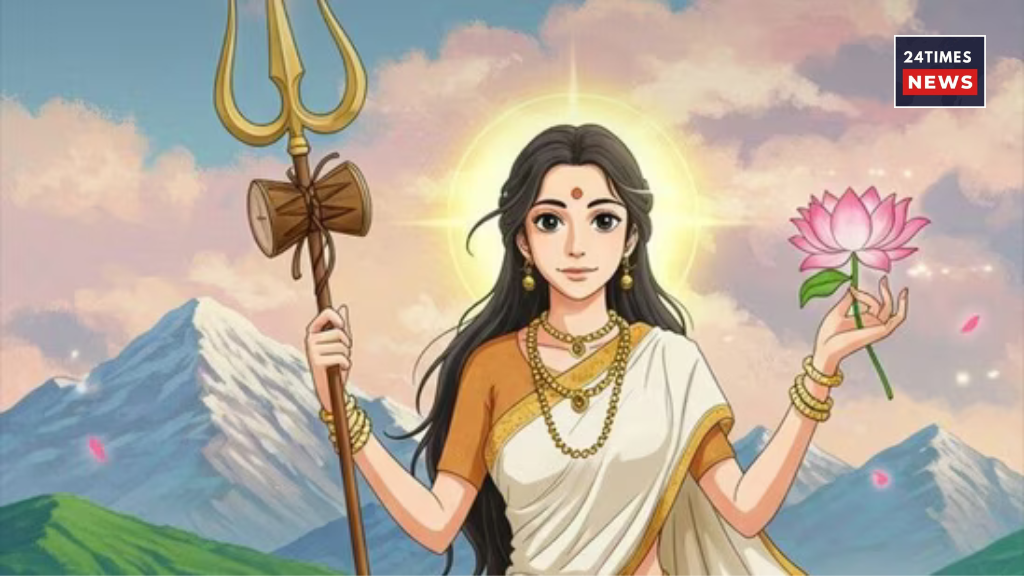
Navratri is both a spiritual and cultural festival. Devotees engage in meditation, fasting, prayers, and recitation of texts such as Durga Saptashati. Each day honors one of the nine forms of the goddess, from Shailaputri (power) to Siddhidatri (wisdom), representing a spiritual journey from self-realization to discipline. The tenth day, Vijaya Dashami, celebrates victory and reinforces the lesson that good always prevails.
Across India, Navratri showcases cultural diversity:
- In Gujarat, evenings come alive with Garba and Dandiya Raas dances.
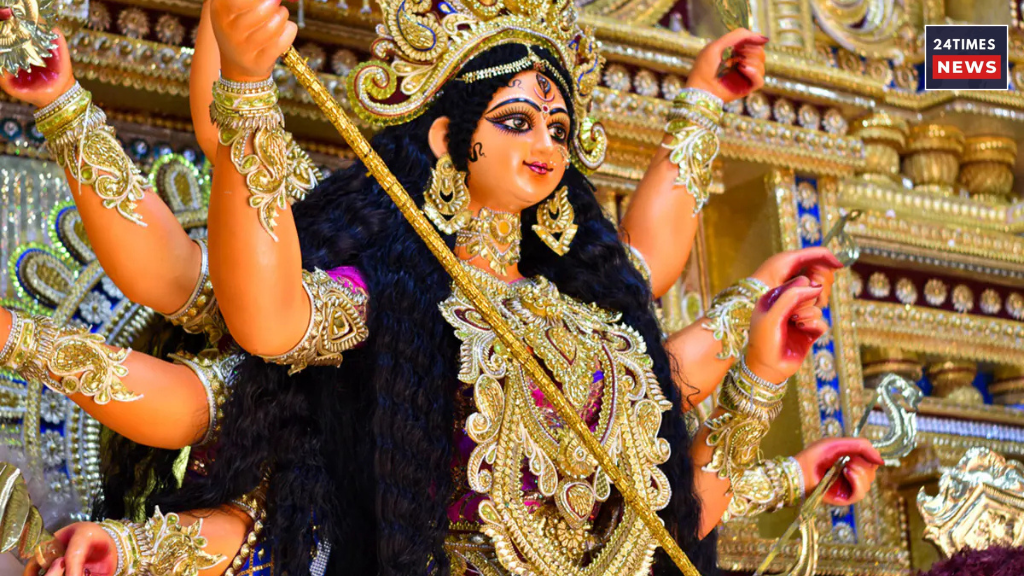
- In West Bengal, Navratri coincides with Durga Puja, featuring elaborate goddess statues and pandals, which are immersed on Dashami.
- In North India, Ramlila performances narrate Lord Rama’s story.
- In South India, families celebrate Golu, showcasing dolls and figurines.
- Despite regional differences, the celebration of feminine strength and devotion to the goddess remains the unifying theme.
Navratri rituals are highly symbolic:
- Ghatasthapana: A sacred pot of water topped with a coconut is placed in homes and temples, symbolizing divine presence. Barley grains are often planted and considered auspicious if they sprout in nine days.
- Fasting: Many devotees skip grains, while others eat only fruits or a single meal.
- Daily Offerings: Flowers, fruits, and sweets are offered during pujas and aartis.
- Kanya Puja: On the eighth or ninth day, young girls are worshipped as manifestations of the goddess and offered food and gifts.
- Color Tradition: Each day, devotees wear a different color associated with the goddess of the day, believed to channel her energies and spread positivity.
Although Sharad and Chaitra Navratri are the most popular, Navratri is celebrated four times a year according to the Hindu calendar, with Sharad Navratri being the most widely observed.
In 2025, Navratri promises a festival full of devotion, joy, and cultural vibrancy. Whether through the serenity of home pujas, the grandeur of Durga Puja pandals, or the energetic Garba nights, the festival continues to embody rebirth, unity, and faith.