Table of Contents
A Rare Quiet on Dalal Street
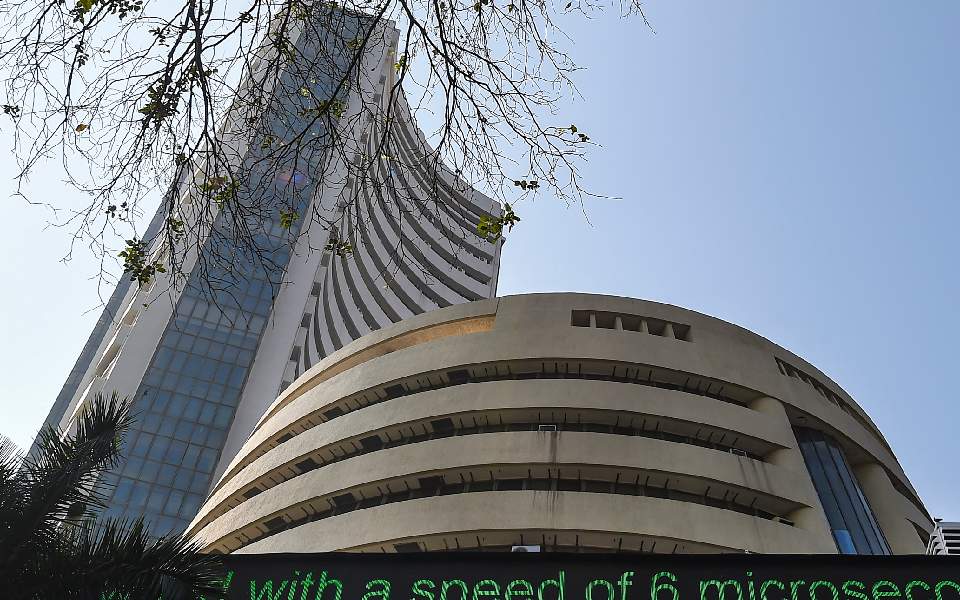
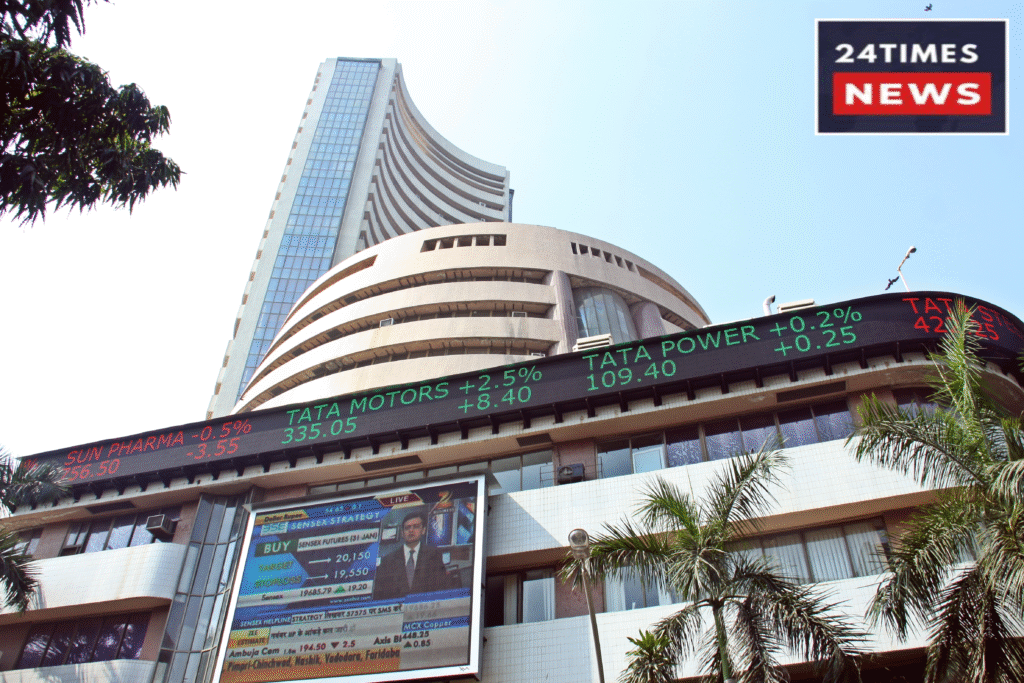
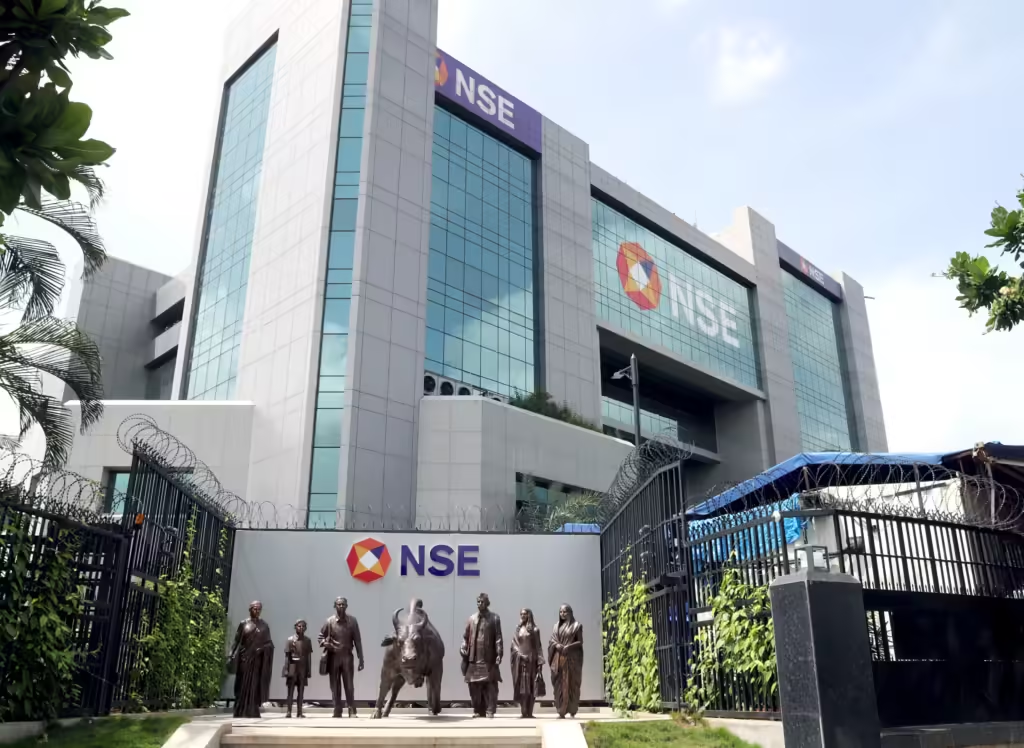
As the city wakes up this Friday, May 1, both the Bombay Stock Exchange and the National Stock Exchange are silent. It’s not just another holiday. For anyone tuned into India’s financial world, a full shutdown of the markets is unusual and worth paying attention to. The breaks are for Maharashtra Day and International Labour Day, so there’s a complete pause in trading – stocks, derivatives, everything.
But while the stock tickers are inactive and the normal hustle on Dalal Street is missing, nobody is really switching off. Investors, analysts, and traders are all watching what’s happening outside the country, tracking updates, and probably making notes for Monday. This “market pause” lets everyone step back from the daily noise. After a wild April, this is the perfect time for a reset and a rethink.
What a Day Off Really Means for the Market
In a world where trading happens faster than you can blink, a day with nothing to trade feels strange. It’s a break, but it’s also useful. With the markets closed, there’s a forced pause in both action and reaction.
Of course, information doesn’t switch off when the markets do. Global headlines, new data, and results from big companies build up in the background. And when the exchanges open again on Monday, all this news can hit at once. It’s pretty common after a break for markets to react more than usual.
For professionals, this isn’t just a day off. It’s a time to review big-picture strategies. The world is changing with every passing hour – oil prices keep everyone guessing, central banks in the US stay unpredictable, and the noise around geopolitical crises hasn’t quieted down. With the Indian volatility index still high, this pause acts as a safety net.
Looking Back: April’s Stress Test
April wasn’t easy. The first few days set nerves on edge with talk of war and crude prices spiking over $100 a barrel. Concerns about higher costs and inflation were everywhere.
Still, by the end of the month, the market managed a comeback. On the last day, the Nifty gained 182 points, and the Sensex added 609. Was this a full rebound? Not really. Most people saw it as a sign that India’s market can hold its ground even under pressure. Domestic investors – especially those using Systematic Investment Plans – arrived just as foreign funds were cooling off.
Now, the market heads into May looking fragile. The Nifty is hovering around 24,000 to 24,150. That’s an important spot – a little above, and confidence might grow, but slip below, and things could get rocky fast. Having a holiday now is helpful, as it gives everyone a chance to cool off and think through what comes next.
Headwinds in May: Three Big Challenges
Stepping back, there are three big problems everyone’s watching:
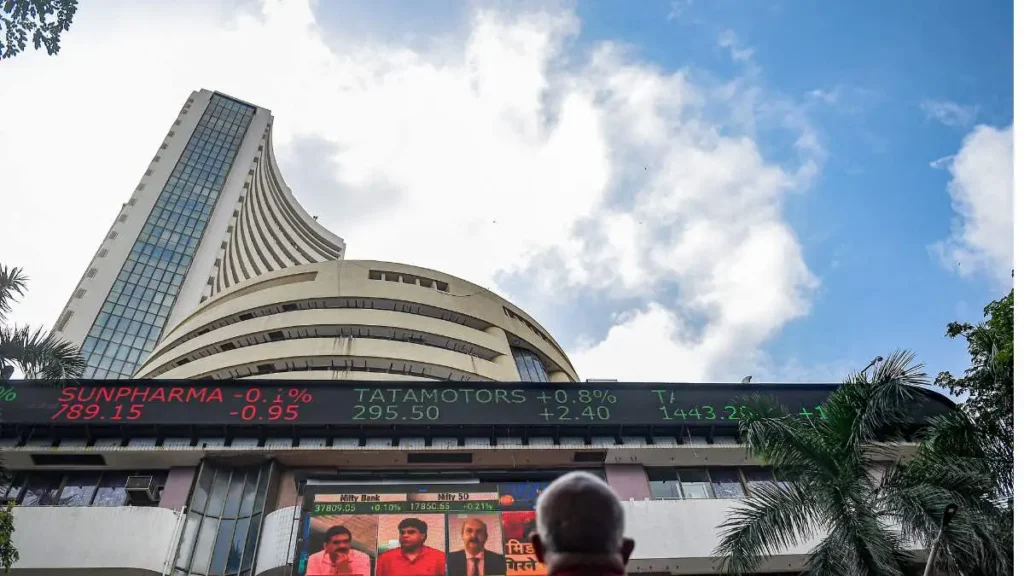
Geopolitical Risk The US-Iran standoff continues to keep markets nervous. India imports a lot of oil, so any trouble near the Strait of Hormuz hits both corporate profits and the economy. As long as oil stays expensive, nobody expects a runaway rally.
US Federal Reserve Policy: The US central bank just finished a meeting and decided not to move rates. That was expected. What worries people more is the message – rates will stay high for a while. That hurts the rupee, makes investing in India less attractive for foreign investors, and keeps money tight.
Inflation Pressure Rising costs, especially for imported goods and energy, are holding back India’s central bank, too. Many companies are feeling squeezed, unable to pass on expenses to consumers. The earnings for the fourth quarter showed some strong points, but also plenty of weaknesses.
Long Weekend: What’s Happening Off the Stock Charts
While trading is quiet, the rest of the economy moves on. May 1 is also a state holiday, and with a long weekend ahead, there’s plenty of data for economists to sift through.
The big question: Is ordinary spending holding up? By the looks of it, travel and hospitality are doing well. This suggests the urban middle class still has enough confidence to spend. Compared to previous slowdowns, people haven’t slammed on the brakes yet. So even as markets look shaky, the basic demand in the economy keeps humming.

What to Watch When Markets Reopen
On Monday, May 4, traders and investors will be glued to two main numbers:
Support: If the Nifty holds above 24,000 and the Sensex stays above 77,000, most experts will say the uptrend is safe for now.
Resistance: Markets struggled to break through 24,450 on the Nifty in late April. Any move above this will probably need a boost, perhaps from falling oil prices or a good news story overseas.
It’s a tricky market, and most analysts suggest being selective. Don’t bet on everything rising at the same pace. Sectors like IT and Pharma are doing well, while Automobiles and Media are seeing profit-taking.
What This Break Really Means
Under all the noise and uncertainty, the market is showing that it’s learning to handle shocks better than before. The silence on Dalal Street is just a tiny pause. The real story is about ordinary investors, companies, and workers adjusting to a fast-changing world.
If you’re watching from the sidelines right now, take the time to look at your portfolio. Are you taking too many risks? Are you prepared if rates stay high?
Come Monday, markets will likely be back with their usual energy and surprises. The most important thing is not how fast you react, but how well you plan. Years from now, this May Day break might be remembered less for its silence and more as a turning point – a reminder that in the long race for growth, patient and clever thinking matter even more than quick trades.