
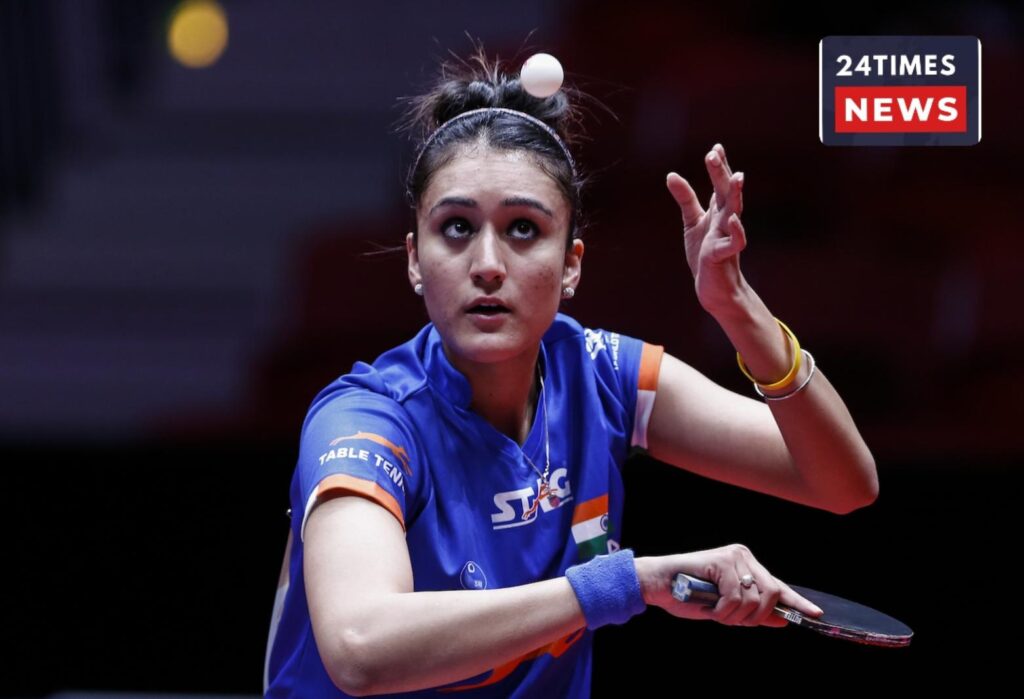
Major controversy and calls for intervention over Manika Batra’s Asian Games exclusion.
A major controversy has erupted in Indian table tennis following the exclusion of star player Manika Batra from the Asian Games squad. This decision has shocked the sports fraternity, fans, and experts alike. Questions regarding her exclusion are mounting, particularly because she was left out despite holding a world ranking of 51.
The controversy has deepened due to the lack of a clear explanation for the decision. The controversy has deepened as no clear reason has been given for Manika Batra’s Asian Games exclusion. Regarding Manika Batra’s Asian Games exclusion, she has written directly to the Union Sports Minister, the Table Tennis Federation of India (TTFI), the Indian Olympic Association (IOA), and the Sports Authority of India (SAI), seeking their intervention.
This matter is not limited to the selection of just one player, but it also raises serious questions on the transparency of the Indian sports selection system. Manika, who is considered one of India’s most successful table tennis players, says she was not given any concrete reason for her exclusion from the team. This has not only affected their morale but has also raised doubts about the process of sports administration.
Manika Batra’s career has been filled with many historic achievements, including winning medals for India at the Asian Games and Commonwealth Games. Consequently, her exclusion is viewed by many as a shocking decision. Sports experts believe that such decisions can weaken the confidence of the players and can also affect the performance of the team.
The entire controversy has also gained momentum on social media, where fans are continuously demanding transparency in the selection process. Many former players have also expressed their concern over the issue and said that selection should be based only on performance and not on any vague reason.
Now everyone’s eyes are on the Sports Ministry and the concerned sports organizations to see what steps they take in this matter and whether Manika Batra gets answers to her questions and justice or not.
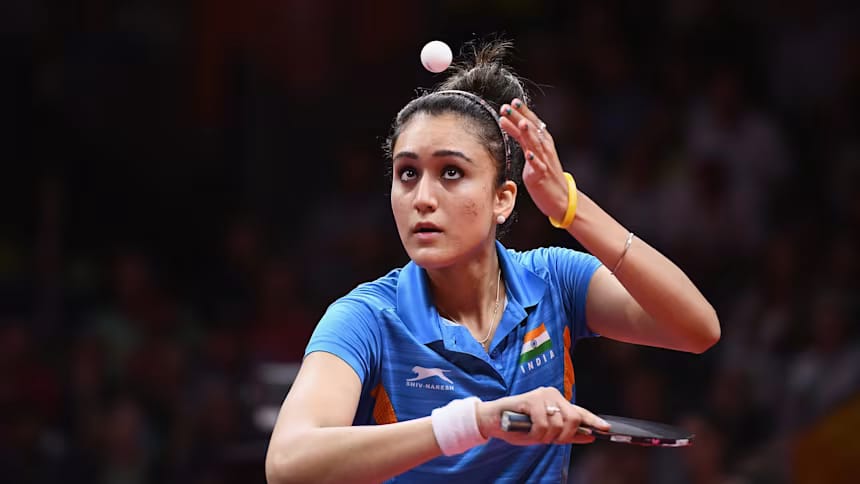
Five Key Causes of Selection Controversies and Their Impact.
- Lack of Transparency in the Selection Process
The biggest question in this entire matter is the transparency of the selection process. Players and experts argue that a clear reason must be provided whenever a player is dropped. The absence of this in Manika’s case further fuels the controversy. It raises the perception that the selection process is not completely transparent and may be subject to unofficial influences. - World ranking and performance ignored
Manika Batra’s non-selection despite her world ranking of 51 raises several questions. Rankings and recent performance are typically the key criteria for national team selection; But in this case it appears that these standards were not fully taken into account. This creates a feeling of dissatisfaction among the players. - Mental pressure and player morale
Such decisions have a direct impact on a player’s mental health and self-confidence. For an international player, being dropped from the team is not only a professional setback but also a mental challenge. It can also impact their future performances. - Institutional Accountability and Public Trust
TTFI, SAI, and other institutions have a responsibility to ensure that the selection process is transparent and accountable. When such controversies arise, public confidence in the system begins to decline. That is why clarity and accountability in this matter are extremely important so that such disputes can be avoided in the future. - Lack of communication and a lack of clear answers
Manika Batra’s claim that she was not given a concrete reason is a key part of this controversy. Lack of communication in sports administration increases the distance between players and institutions. If there had been clear communication in time, this controversy might not have become so big.
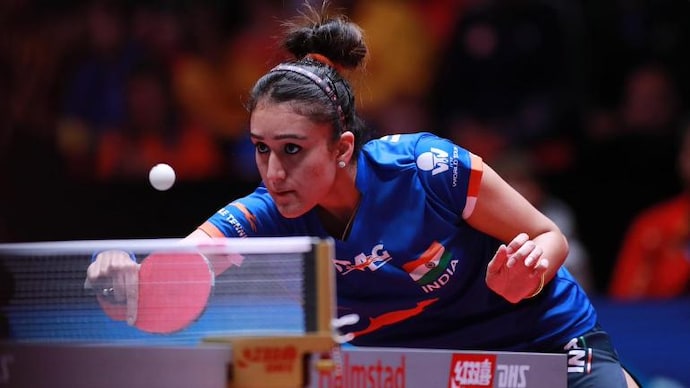
The Manika Batra Controversy and the Wider Impact on the Indian Sports System.
The Manika Batra case is not simply about the selection or exclusion of an athlete, but rather questions the deeper structure and functioning of the Indian sports system. When an international level player, who has achieved many significant achievements for the country, is left out of the team without any apparent reason, it naturally becomes a topic of discussion and controversy.
The selection process in the Indian sports system has long been a subject of criticism. Many times there have been allegations that selection is not based only on performance, but other factors also play a role in it. Although the institutions have often denied these allegations, such cases reignite the debate.
Manika Batra’s career has been an inspiration for Indian table tennis. He has not only won medals at the international level but has also played a vital role in increasing the popularity of the sport in India. In such a situation, his exclusion from a big tournament like the Asian Games is beyond the understanding of many people.
Selection for players is not just a process but it is the result of their years of hard work. Ambiguity in this process deeply affects their morale. The same situation is being seen in Manika’s case, where she has directly written to the Sports Ministry and other top institutions seeking intervention.
This incident has once again raised the question whether sports administration in India needs to be made more transparent and modern. Many experts believe that the selection process should include technical data, rankings, and performance as well as a clear communication system so that no player faces unnecessary controversy.
In the era of social media, such issues spread rapidly and public reaction also comes immediately. Many former players and sports lovers have come out in support of Manika Batra, demanding reforms in the selection system. This shows that this is not just an issue of one player, but of the entire system.
Moreover, this case is also a message for young players that they have to be mentally prepared not only for performance but also for the uncertainties of the selection process. This situation cannot be considered a good sign for the development of the game.
This is an important opportunity for the government and the relevant sports bodies to take this controversy seriously and improve the selection process. If such cases are ignored, bigger controversies may arise in the future, which may affect the image of Indian sports.
Ultimately, the Manika Batra case is not just a selection controversy but a sign of the need for reform of the Indian sports system. It will be important to see what steps are taken on this in the future and whether this controversy becomes the beginning of any positive change or not.
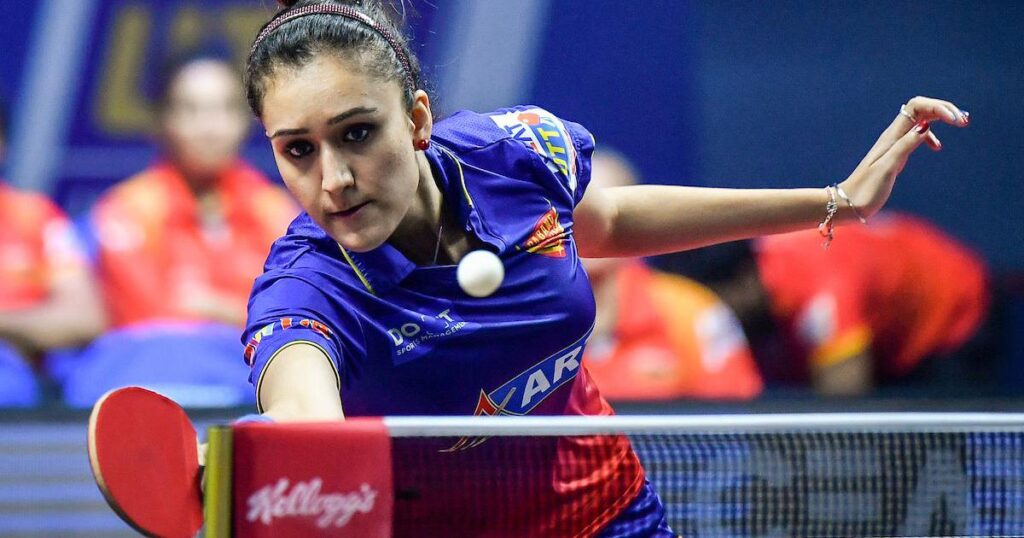
The Way Forward and Possible Solutions- Athletes’ Rights, Transparency, and the Need for Reform
Following the Manika Batra Asian Games exclusion controversy, the biggest question now is what will be the way forward and whether the Indian sports administration will make any substantial changes to its selection process. This is no longer just a matter of selection of one player, but it is highlighting the need for improvement in the entire system.
First, it is necessary to make the selection process completely transparent, with a clear record and reasoning for every decision made publicly or in writing to the player concerned. This will help avoid such controversies in the future and players’ confidence in the system will also remain intact.
Another important step could be to include independent experts on the selection committee to reduce the likelihood of any bias or ambiguity. This would make the decisions more balanced and fair.
Third, there should be a robust appeal or review system for players where they can question their selection or exclusion and get a timely response. The case of Manika Batra brings this need to the fore even more clearly.
Fourth, it is also important to strengthen mental health and player support systems, as such decisions have a profound impact on players’ confidence and performance. A structured support system can help them overcome such setbacks.
Ultimately, this controversy serves as a warning that if sports organizations do not reform in time, even bigger questions may arise in the future. Cases like Manika Batra Asian Games exclusion show that Indian sports needs to focus equally on the credibility of the process, not just on performance.