Why did the political stir intensify regarding Mamata Banerjee’s Dharna in Kolkata?
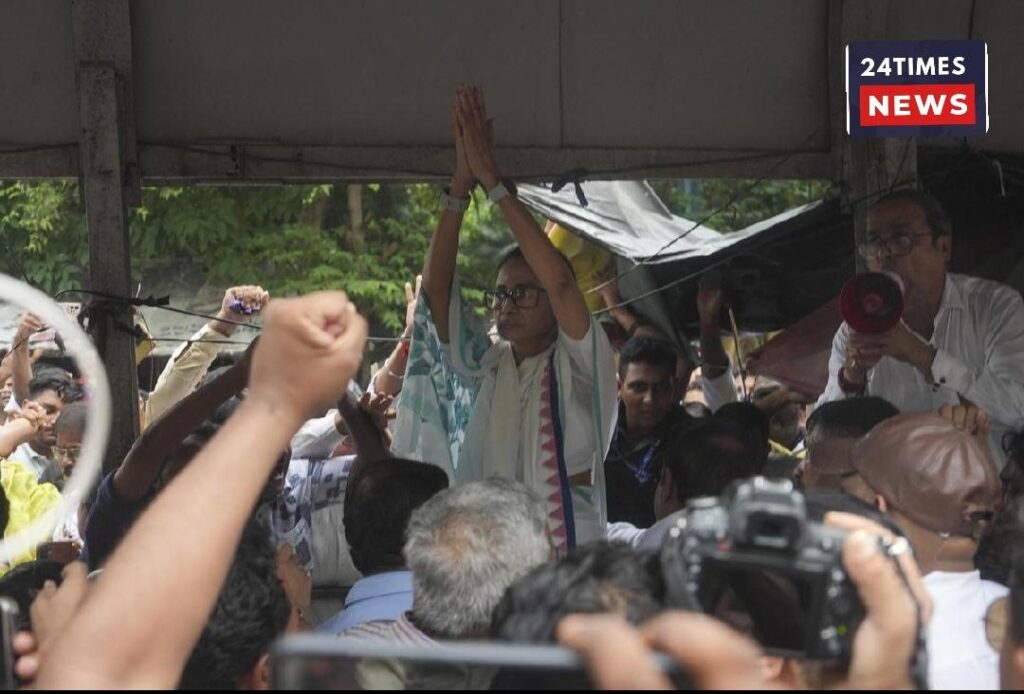
Mamata Banerjee’s protest in Kolkata has once again created a stir in West Bengal politics. Trinamool Congress chief Mamata Banerjee staged a protest in Kolkata against alleged post-poll violence. This protest was described as an attempt by the party to put forward its point in a democratic manner, but the atmosphere created during the program made it a topic of discussion at both political and media levels.
During the protest, Mamata Banerjee started speaking from the stage and described the issue of alleged post-poll violence as serious. However, in the meantime, the atmosphere appeared chaotic for some time due to the sloganeering by the TMC workers present there. Many workers started shouting slogans loudly, which increased the noise during the speech and the situation appeared a bit chaotic for some time.
Trinamool Congress leaders say the protest was organised to raise voice against alleged violence against party workers and supporters. The party claims that after the elections, its people were targeted at many places, hence it was necessary to raise this issue publicly. The opposition is viewing this entire program as a political strategy and an attempt to gain sympathy.
The issue of post-poll violence in West Bengal has been a part of political controversy for a long time. In such a scenario, Mamata Banerjee’s personal sit-in protest is being seen not just as a simple protest, but as a powerful political message, especially when the state’s politics is already highly sensitive and fraught with accusations and counter-accusations.
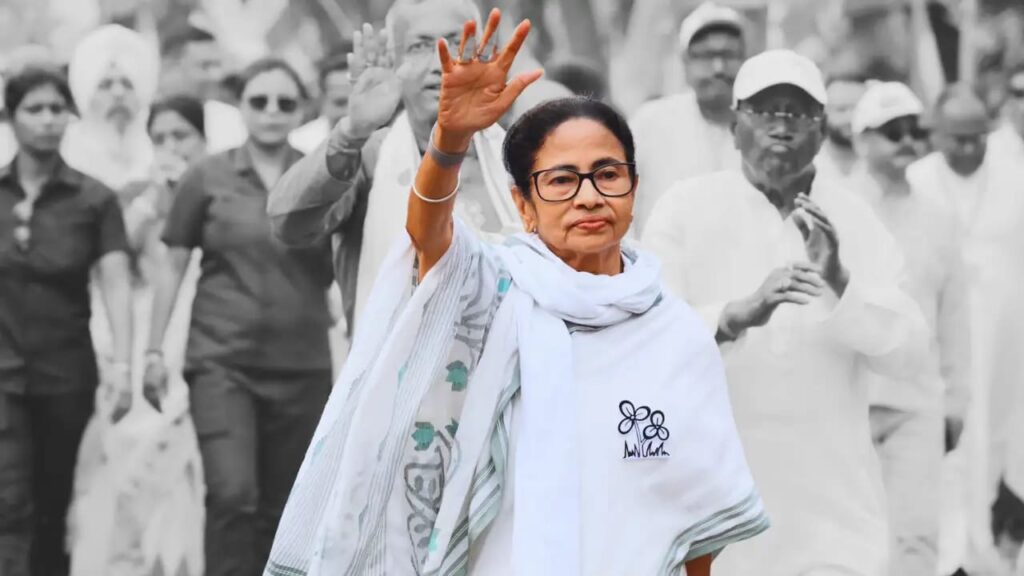
What happened during Mamata Banerjee’s Dharna in Kolkata that increased political discussion?
- What was the main issue of the protest?
Mamata Banerjee organised this protest against the alleged post-poll violence. TMC says party workers and supporters faced violence and political pressure after the elections. The party has been continuously raising its voice on this issue and this protest is being considered a part of the same series. - Why did the atmosphere suddenly change during the protest?
When Mamata Banerjee was addressing the people from the stage, many TMC workers started raising slogans. Due to the slogans becoming louder, a situation of chaos was seen in the program for some time. Due to this, the protest was not limited to a political protest only, but discussion also started regarding the arrangements for the event. - Why were questions raised on the sloganeering of TMC workers?
The loud slogans raised during the protest also shifted the focus of the protest programme from the main issue to the status of the event. Some believe this affected the seriousness of the protest, while party supporters say the enthusiasm of the workers was natural as they wanted to raise their issues strongly. - How did the opposition view this protest?
Opposition parties have raised questions about Mamata Banerjee’s protest. Some leaders say that this could be an attempt to give a political message and influence public sentiment. TMC leaders, however, dismissed the allegations, saying the party was only putting forward its views in a democratic manner. - Was this just a protest or a larger political signal?
Political experts believe that Mamata Banerjee herself taking to the streets is always considered a big political message. In such a situation, this protest is also being seen in the context of the coming politics and changing equations in the state.
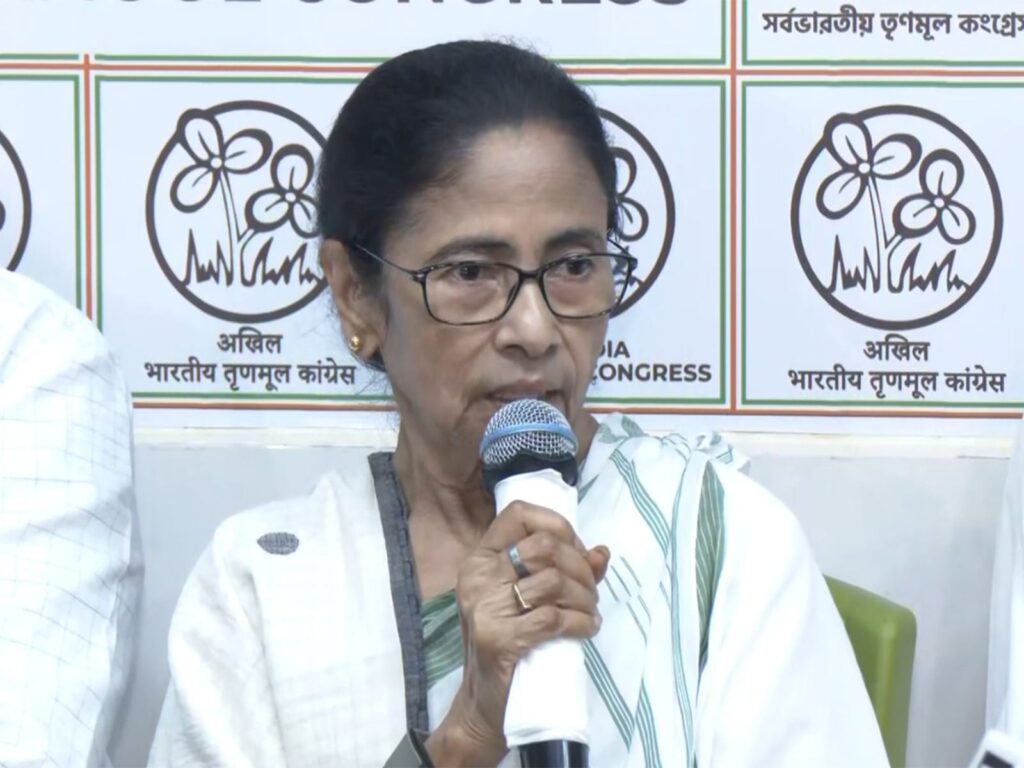
What future impact can be seen of Mamata Banerjee’s Dharna in Kolkata?
The issue of post-election violence has been a cause of political conflict in West Bengal politics many times before. In such a situation, this protest of Mamata Banerjee is not being considered only a one-day protest program, but it is also being seen as a long political message. Political analysts believe that TMC may try to give a political message among its supporters by raising this issue strongly in the future.
The sloganeering and mild commotion during the protest also brought this demonstration into more discussion. This could give the opposition an opportunity to question the government and the TMC, while the Trinamool Congress could call it a display of workers’ emotions and anger. This is the reason why this issue may further intensify political rhetoric in the coming days.
At present, it is clear that Mamata Banerjee’s Dharna in Kolkata has definitely started a new debate in the politics of West Bengal. Now it will be important to see whether this protest remains limited to a political message only or it has any major impact on the politics of the state in the coming times.